
Choosing the right plants and flowers for your Marietta, GA lawn involves understanding the local climate, soil conditions, and the aesthetic you wish to achieve. Marietta is located in USDA hardiness zone 7b, which means it experiences mild winters and warm summers, making it suitable for a variety of plants. This article will explore native plants, flowering options, and practical considerations for creating a vibrant garden in Marietta. Along with landscaping, maintaining exterior features like your garage door repair also plays a key role in enhancing overall curb appeal and home value.
Understanding the Climate and Soil
Climate Considerations
Marietta’s climate is characterized by hot summers and mild winters. The average temperature ranges from about 30°F in winter to over 90°F in summer. This climate supports a wide range of plants but also requires careful selection to ensure they can thrive under these conditions.
Soil Types
The soil in Marietta is typically clayey, which can retain moisture but may also lead to drainage issues. It’s essential to amend the soil with organic matter to improve its structure and fertility. Testing the soil pH is also advisable, as many plants prefer slightly acidic to neutral soils (pH 6.0-7.0).
Native Plants for Marietta Gardens
Utilizing native plants is an excellent way to support local wildlife and reduce maintenance efforts. Native species are adapted to the local environment and generally require less water and fewer fertilizers.
Top Native Plants
- Eastern Redbud (Cercis canadensis): This small tree features stunning pinkish-purple blossoms in spring and heart-shaped leaves that provide year-round interest.
- Flowering Dogwood (Cornus florida): Known for its beautiful white or pink flowers, this tree also produces bright red fruit in the fall, attracting birds.
- Southern Magnolia (Magnolia grandiflora): A classic choice with large white flowers and evergreen leaves, it adds elegance and fragrance to any garden.
- American Beautyberry (Callicarpa americana): This shrub produces vibrant purple berries that attract wildlife while providing colorful foliage.
- Coral Honeysuckle (Lonicera sempervirens): A climbing vine that blooms with tubular flowers, attracting hummingbirds and other pollinators.
These native plants not only enhance the beauty of your garden but also contribute to local biodiversity by providing habitats for various species.
Flowering Plants for Seasonal Interest
In addition to native plants, incorporating flowering varieties can add color and vibrancy throughout the growing season.
Recommended Flowering Plants
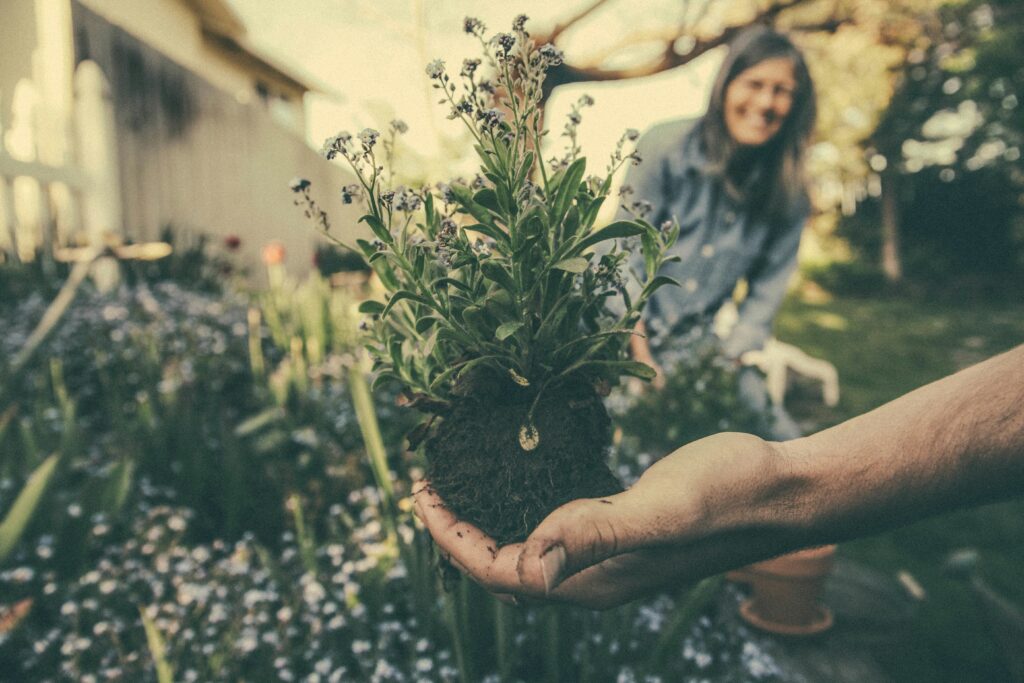
- Hydrangeas: Varieties like ‘Endless Summer’ thrive in Marietta’s climate, offering blooms in shades of blue, pink, or white.
- Daylilies (Hemerocallis): These hardy perennials bloom profusely during summer and come in various colors.
- Becky Daisies (Leucanthemum × superbum ‘Becky’): Known for their resilience, these daisies provide continuous blooms throughout summer.
- Coleus: While primarily grown for their foliage, coleus plants provide vibrant colors that complement flowering plants beautifully.
- Petunias: These annuals bloom from spring through fall and are available in numerous colors, thriving in full sun.
By selecting a mix of perennials and annuals, gardeners can ensure a colorful display from early spring until late fall.
Practical Tips for Planting
Site Selection
Choose planting sites based on sunlight exposure—most flowering plants prefer full sun (at least 6 hours of direct sunlight). Areas with partial shade can support shade-tolerant species like hostas or ferns.
Watering Needs
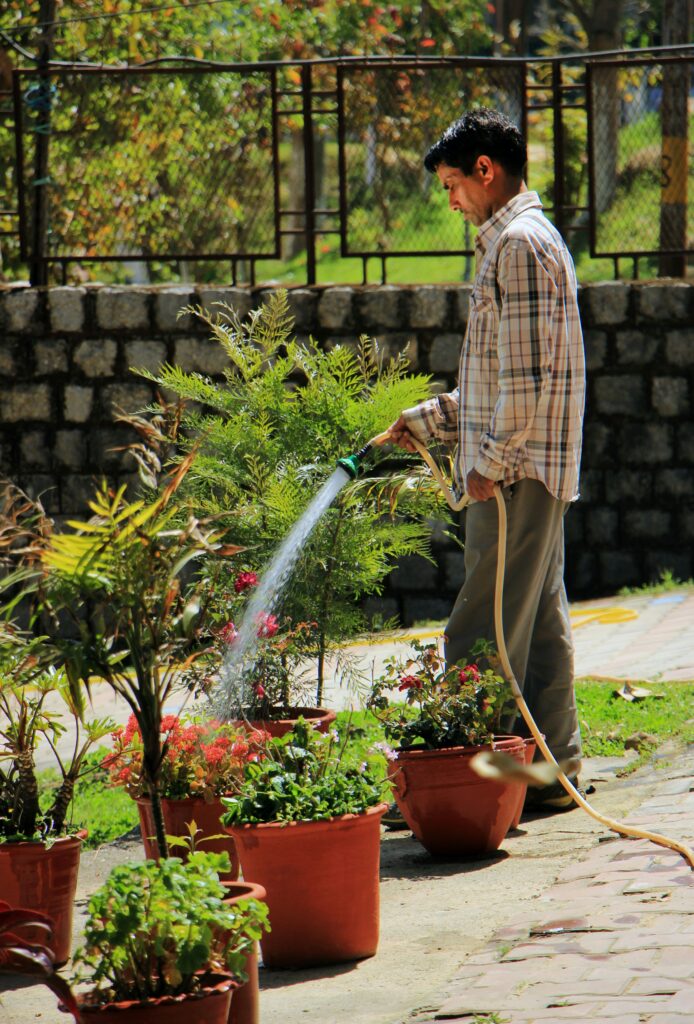
Establish a watering schedule based on plant needs—native plants typically require less water once established, while annuals may need more frequent watering during hot spells.
Mulching
Applying mulch around plants helps retain moisture, suppress weeds, and regulate soil temperature. Organic mulches like shredded bark or pine straw also improve soil quality as they decompose.
Fertilization
While native plants often thrive without additional fertilization, flowering annuals may benefit from a balanced fertilizer applied during the growing season to encourage robust blooms.
Creating an Aesthetic Garden Design
Color Schemes
Consider color schemes when selecting plants; complementary colors can enhance visual appeal. For instance:
- Use warm colors (reds, yellows) for a vibrant look.
- Cool colors (blues, purples) create a calming effect.
Layering Plants
Layering different heights of plants creates depth in your garden design. Taller plants should be placed at the back of borders with shorter varieties in front.
Seasonal Interest
Incorporate a mix of blooming times to ensure that there is always something in flower throughout the seasons. Early bloomers like daffodils can be followed by summer stalwarts like coneflowers or black-eyed Susans.
Maintenance Considerations
Regular maintenance is key to keeping your garden healthy:
- Weeding: Regularly remove weeds that compete for nutrients and water.
- Pruning: Prune dead or overgrown branches to encourage healthy growth.
- Pest Management: Monitor for pests; consider organic solutions like neem oil or insecticidal soap if necessary.
Choosing the right plants and flowers for your Marietta lawn involves understanding local conditions and selecting species that thrive in your environment. By focusing on native plants alongside vibrant flowering options, you can create a beautiful landscape that enhances both your home’s curb appeal and supports local wildlife. With thoughtful planning and maintenance, your garden can be a stunning showcase of color and life throughout the year.
The written content on this page was generated by perplexity.ai.