How to have a healthy lawn and add curb appeal to your home in Marietta, GA

Category: Pest and Disease Management

The Role of Soil Health in Preventing Lawn Pests and Diseases in Marietta, GA

In the leafy suburbs of Marietta, Georgia—just northwest of Atlanta—homeowners cherish their emerald-green lawns as badges of pride. Picture this: a sprawling yard in East Cobb, perfect for weekend barbecues or kids’ soccer games. But lurking beneath that lush turf? A battlefield where pests like chinch bugs and diseases such as brown patch wage war. The secret weapon? Soil health. Far from just dirt, healthy soil acts like a fortress, repelling invaders naturally. In Marietta’s humid subtropical climate, with its red clay soils and fickle rains, prioritizing soil health isn’t optional—it’s essential for pest-free lawns.

Photo by Curtis Adams from Pexels

Marietta’s unique environment amplifies these challenges. Cobb County’s soils are predominantly Ultisols—acidic, clay-heavy mixes low in organic matter. Summers bring scorching heat (often 90°F+), heavy downpours from thunderstorms, and high humidity that fungi adore. Winters dip mild but wet, fostering root rot. Add in urban sprawl’s chemical fertilizers and pesticides, and you’ve got a recipe for imbalance. Poor soil invites grubs that chew roots, armyworms marching across blades, and dollar spot fungus turning grass yellow. But thriving soil? It builds resilient grass with deep roots, natural defenses, and microbial allies that outcompete pests.

Why Soil Health Matters More Than You Think

Healthy soil isn’t sterile; it’s a buzzing ecosystem. Think of it as your lawn’s immune system. Beneficial microbes—bacteria, fungi, nematodes—break down organics, cycle nutrients, and produce antibiotics that suppress pathogens. Earthworms aerate, improving oxygen flow to roots. Mycorrhizal fungi form symbiotic networks, trading phosphorus for sugars while warding off invaders.

In contrast, degraded soil is a pest magnet. Compacted clay in Marietta yards (from construction or foot traffic) starves roots of air and water, stressing turfgrasses like bermudagrass or tall fescue common here. Stressed plants leak sugars, attracting chinch bugs that suck sap and inject toxins, leaving straw-like patches. Diseases thrive too: Take brown patch (Rhizoctonia solani), which loves soggy, nitrogen-rich soils. A University of Georgia (UGA) study found lawns with over 5% organic matter resisted it 40% better than depleted ones.

Local data drives this home. Cobb County Extension reports rising pest calls—grub damage up 25% since 2020, linked to drought-stressed soils. Yet, yards with compost-amended soil show fewer issues. Soil health flips the script from reactive spraying to proactive prevention, saving Marietta homeowners time and money.

Key Pillars of Soil Health for Marietta Lawns

Building soil health starts with understanding your yard’s baseline. Get a soil test from UGA’s lab ($9 online)—it reveals pH (ideal 6.0-7.0 for most turf), nutrients, and texture. Marietta’s clay often skews acidic (pH 5.0-6.0), so lime might be needed.

Organic Matter: The Foundation
Aim for 3-5% organic matter. Compost or aged manure worked into the top 4-6 inches feeds microbes without burning roots. Example: In Marietta’s Laurel Park neighborhood, resident Tom Reilly topdressed his fescue lawn with 1/4-inch compost annually. Result? No chinch bugs in three years, versus neighbors battling them yearly. Organics improve water retention—crucial during Georgia’s summer droughts—reducing stress that invites sod webworms.

Microbial Diversity: Your Invisible Army
Chemicals kill good guys alongside bad. Boost populations with mycorrhizal inoculants or compost teas. These microbes solubilize nutrients, making iron available to fend off chlorosis (yellowing from take-all patch). A 2023 UGA trial in nearby Kennesaw showed inoculated bermuda plots had 60% less dollar spot.

pH Balance and Nutrient Cycling
Marietta’s iron-rich clays lock up phosphorus if pH dips low. Balanced soil ensures steady potassium uptake, strengthening cell walls against fungal penetration. Avoid excess nitrogen; it promotes lush top growth at root expense, welcoming Pythium blight in wet springs.

Structure and Drainage: Beating Clay Blues
Compaction is enemy number one. Aerate annually (core method, spring or fall) to relieve pressure. Add gypsum to flocculate clay particles, improving drainage without altering pH. Picture roots plunging 12 inches deep in friable soil versus suffocating at 3 inches—deeper roots dodge surface pests like billbugs.

Common Pests and Diseases—and How Soil Thwarts Them

Marietta lawns face a rogue’s gallery, but healthy soil disrupts their life cycles.

  • Chinch Bugs: These vampires thrive in thin, sunny turf on nutrient-poor soil. Healthy soil grows dense, vigorous grass that shades soil, starving eggs. A study by Clemson University (relevant to Southern climates) noted 70% fewer bugs in high-organic plots.
  • Grubs (White Grub Complex): Larvae of June beetles devour roots in moist, organic-poor soil. Robust microbial activity and nematodes prey on them naturally. Marietta’s fall aeration timing disrupts egg-laying.
  • Brown Patch and Dollar Spot: Fungi explode in high-nitrogen, low-calcium soils. Calcium from gypsum bolsters grass defenses; organics foster competitor bacteria. UGA data: Soil pH 6.5+ cuts brown patch by half.
  • Take-All Root Rot: Acid-loving Gaeumannomyces fungus hits St. Augustine grass. Raising pH to 6.5 and adding organics suppresses it—local landscapers swear by this combo.

Real story: Marietta’s Bill Harper, a retired engineer, transformed his pest-riddled zoysia lawn. Soil test showed pH 5.2 and 1% organics. He amended with compost, lime, and biochar (carbon-rich amendment that holds water and microbes). Two seasons later: zero treatments needed, plus 30% less watering.

Practical Steps: Your Marietta Soil Health Action Plan

Ready to fortify? Follow this seasonal roadmap.

  1. Spring (March-May): Test soil. Aerate if compaction exceeds 1 inch penetration with a screwdriver. Topdress with 1/4-inch compost. Overseed thin spots with disease-resistant varieties like Tifway 419 bermuda.
  2. Summer (June-August): Mow high (3-4 inches) to shade soil and reduce weed competition. Water deeply (1 inch/week) infrequently to encourage deep roots. Apply compost tea monthly for microbes.
  3. Fall (September-November): Core aerate again. Incorporate leaf mold or pine straw mulch (local abundance!). Seed fescue for cool-season cover.
  4. Winter (December-February): Minimal intervention—let dormancy recharge. Monitor for mole activity (grub sign) but trust soil biology.

Tools for success: A broadfork for no-till aeration, rain gauge for precise watering, and apps like UGA’s Pest ID Scout. Budget $50-100/year per 5,000 sq ft—cheaper than pest control ($200+ per treatment).

Advanced tip: Cover cropping. Sow crimson clover in fall; it fixes nitrogen and suppresses weeds, mimicking natural prairies that pests avoid.

Beyond Prevention: The Bigger Wins

Healthy soil doesn’t just block pests—it enhances everything. Expect greener color, drought tolerance (vital amid Georgia’s erratic rains), and lower bills. Environmentally, it cuts runoff into the Chattahoochee River, protecting Marietta’s waterways. Plus, pollinators flock to resilient yards.

Challenges persist: New subdivisions arrive with scraped-topsoil lots. Solution? Demand soil restoration from builders. Community efforts like Cobb’s Master Gardener program offer free clinics.

In Marietta, soil health is revolutionizing lawns—from pest-plagued eyesores to thriving oases. As climate shifts bring wetter hurricanes and hotter droughts, this approach future-proofs your turf. Start small: Test your soil today. Your grass—and the bugs it repels—will thank you.
Professional Lawn Pest and Disease Management: Is It Worth It for Marietta Homeowners?

Professional Lawn Pest and Disease Management: Is It Worth It for Marietta Homeowners?

Marietta, Georgia, homeowners cherish their lush green lawns, but the humid subtropical climate breeds relentless pests and diseases that can turn paradise into patches. Professional management services promise healthier turf through expert treatments, raising the question: do the benefits justify the costs in this Atlanta suburb?

Common Lawn Threats in Marietta

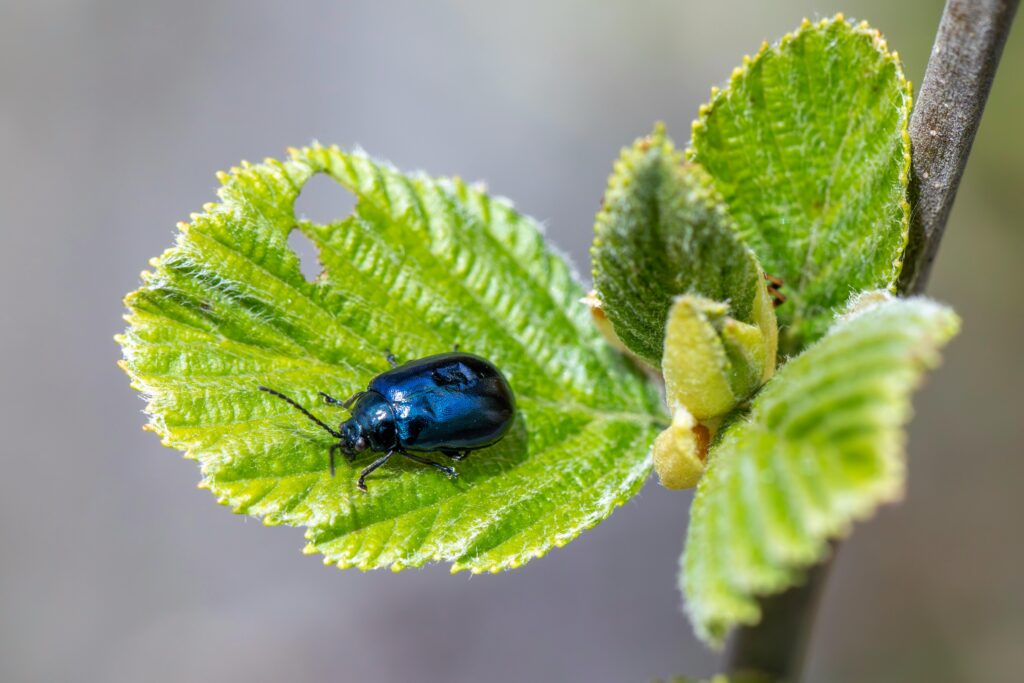
Marietta’s red clay soil and warm, wet summers foster grubs, chinch bugs, armyworms, and fire ants that devour roots and blades from below. Fungal foes like brown patch, dollar spot, and take-all root rot thrive in high humidity, creating unsightly yellowing or bare spots.

Photo by Erik Karits

Homeowners often spot mole tunnels, sod webworms, or Pythium blight after heavy rains, especially on Bermuda, Zoysia, or Fescue grasses common here. DIY fixes like over-the-counter sprays rarely penetrate soil layers or match seasonal timing, leading to recurring battles.

DIY Approaches and Their Limits

Amateurs grab store-bought insecticides or fungicides, applying them sporadically for $20-50 per bottle. These tackle surface issues but miss grub larvae burrowed 2-4 inches deep or diseases needing precise pH-balanced cures.​

Time sinks into researching labels, calibrating sprayers, and reapplying after rain washes treatments away—Marietta averages 50 inches annually. Missteps risk harming beneficial insects, pets, or kids, and ineffective cycles waste weekends.

What Professionals Deliver

Certified pros from firms like Nature’s Turf or Maple Leaf conduct soil tests, identifying nematodes or rust via lab analysis before customized granular or liquid applications. Quarterly plans target life cycles: spring grub preventives, summer chinch bug barriers, fall disease shields.

They use restricted-use pesticides unavailable to public, plus aeration, overseeding, and micronutrient boosts for resilient turf. Guarantees cover re-treatments free if pests rebound, backed by Marietta-specific expertise on local clay drainage woes.

Cost Breakdown for Marietta Yards

Expect $50-80 per lawn treatment visit for fertilization and weed control on a standard quarter-acre, with pest-specific add-ons at $100-160 quarterly. Initial inspections run $75-150, while full-season packages total $400-800 annually for 4-6 visits.

Mosquito or fire ant focus might hit $110-160 one-time for small yards, scaling with size. Compared to $300+ in sod replacement or $64 weed control alone, pros bundle value—Nature’s Turf quotes $55/visit base, $105/quarter pests.

Service TypeAverage Cost (Quarter-Acre)FrequencyAnnual Total
Basic Fertilizer/Weed$55-79 4-6x$220-475
Pest Control (Grubs/Bugs)$100-160 Quarterly$400-640
Disease/Fungus Treatment$64-111 As Needed$200-400
Full Package$130-185 initial ​Seasonal$600-1,200 ​

Long-Term Lawn Health Benefits

Professionals foster thicker turf that crowds out invaders, reducing future needs by 30-50% after year one. Soil sampling reveals compaction or pH imbalances—Marietta’s clay often hits 6.0-7.0 ideal—enabling lime or amendments for deeper roots.​

Studies show treated lawns withstand drought better, slashing water bills amid Georgia’s restrictions. Enhanced curb appeal boosts home values 5-10% in Marietta’s $500K+ market, per real estate trends.​

Time and Convenience Savings

Skip hours scouting infestations or mixing chemicals—pros arrive on schedule, treat in 30-60 minutes, and monitor remotely via apps from companies like Massey Services. Busy Marietta families reclaim weekends for Kennesaw Mountain hikes or Braves games.

Pet-safe, low-odor formulas minimize disruptions, unlike DIY clouds lingering days. Seasonal forecasting prevents outbreaks, not just reacts.​

Environmental and Safety Edges

Licensed applicators follow EPA guidelines, using targeted, less-toxic IPM (Integrated Pest Management) over blanket poisons. This spares bees, birds, and waterways—crucial near the Chattahoochee River.​

Organic options like nematodes or beneficial fungi reduce chemical loads by 70%, aligning with Marietta’s eco-conscious growth. DIY overuse risks runoff harming local fish populations.​

Risks of Skipping Professional Help

Neglected lawns spread to neighbors, inviting HOA fines in Cobb County subdivisions. Severe grub damage demands full resodding at $3-5 per square foot, dwarfing pro fees. Diseases like gray leaf spot persist years without pros’ rotation strategies.

Allergic reactions or chemical burns from mishandled DIY products send more to ERs than pro errors, per CDC data. Property devaluation hits hard in Marietta’s competitive resale scene.​

Customer Experiences in Marietta

Locals rave about Lawn Doctor’s insect control reviving faded Zoysia, with Thumbtack reviews praising rapid mole eliminations. Orkin clients note 90% fewer armyworms post-plan, while Nature’s Turf boasts “no pests guaranteed.”

Complaints center on upselling, but vetted firms like Massey offer transparent quotes. ROI shines: one homeowner recouped costs via avoided $2,000 sod job.

Factors Influencing Worth

Small, low-traffic yards under 5,000 sq ft might DIY viably, but larger properties or high-use family lawns tip toward pros. Budgets under $500/year see quicker returns via prevention; luxury estates justify premiums for perfection.​

Clay soil challenges amplify value—pros navigate it best. Pet owners prioritize safety, seniors convenience.​

Choosing the Right Marietta Service

Vet via Georgia EPD licensing, Pest Board certification, and reviews on LawnStarter or Thumbtack. Request soil tests, IPM details, and guarantees—top firms like Maple Leaf offer free audits.

Compare 3 quotes; bundle pest-disease for discounts. Ask about eco-options and neighborhood plans for shared pest pressure.​

Seasonal Management Timeline

Spring (March-May): Pre-emergent for crabgrass, grub preventives amid 70°F nights. Summer (June-Aug): Chinch bug sprays, fungicides for humidity spikes. Fall (Sept-Nov): Aeration, overwinter disease barriers. Winter: Dormant planning.

Pros sync with Marietta’s 200+ frost-free days for optimal uptake.​

ROI Calculation for Homeowners

A $600 annual plan averts $1,500+ in repairs, yields 20% greener turf per satisfaction surveys, and saves 20 hours labor. Break-even hits by mid-season for most; intangibles like stress-free yards seal it.

Verdict: Yes for Most Marietta Homes

For lush, low-maintenance lawns in pest-prone Marietta, professionals deliver unmatched expertise, savings, and serenity. DIY suits hobbyists; pros transform turf for good.

The written content on this page was generated by perplexity.ai.

Effective Weed Control Methods for a Pristine Lawn in Marietta, GA

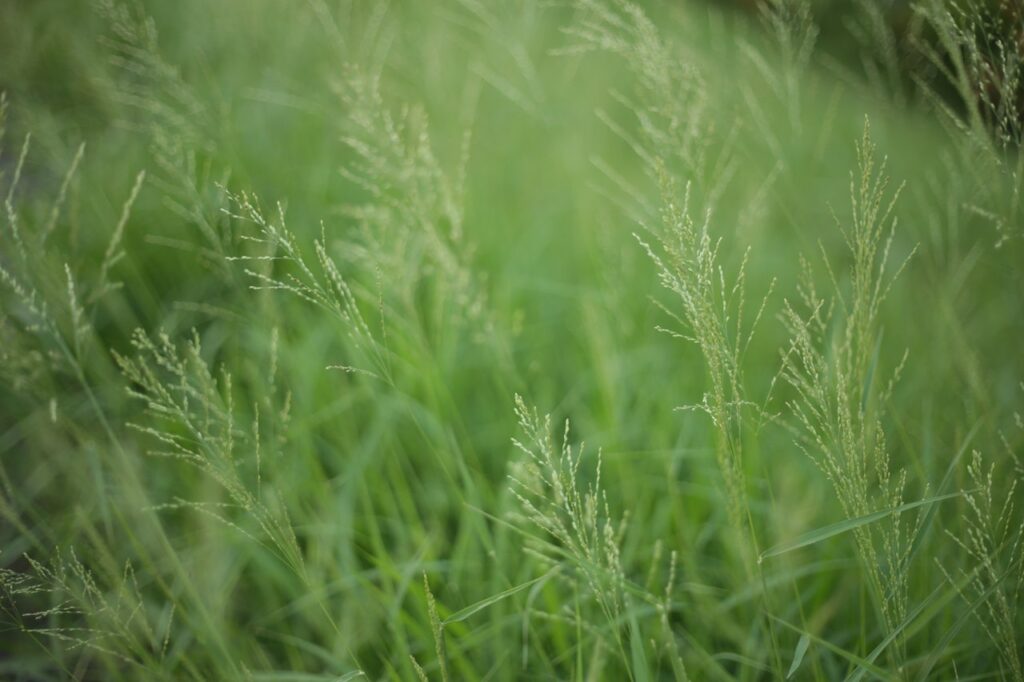
Achieving a pristine lawn in Marietta, Georgia, requires effective weed control methods tailored to the region’s specific climate and soil conditions. Weeds can quickly take over your lawn, detracting from its beauty and health. In this guide, we will explore various weed control strategies to help you maintain a pristine lawn in Marietta.

Photo by mingche lee: https://www.pexels.com/photo/green-grass-field-12834684/
  1. Proper Lawn Maintenance:

Regular Mowing: Keep your grass at the recommended height for your specific grass type to promote a healthy and dense lawn that can better compete with weeds. For example, Bermuda grass should be mowed to a height of about 1.5 to 2 inches.

Adequate Watering: Ensure your lawn receives the right amount of water to maintain its health without promoting weed growth. Deep and infrequent watering is often recommended to encourage deep root growth in your grass.

Fertilization: Apply the correct type and amount of fertilizer to keep your grass strong and healthy. Strong grass can better compete with weeds.

Aeration and Dethatching: Regularly aerate and dethatch your lawn to improve soil aeration, reduce compaction, and create a healthier environment for your grass.

  1. Pre-Emergent Herbicides:

Pre-emergent herbicides are applied before weed seeds germinate. They create a barrier that prevents weed seedlings from growing. Apply pre-emergent herbicides in early spring and early fall to target specific weed germination periods.

Timing is crucial when using pre-emergent herbicides, so be sure to follow product instructions carefully.

  1. Post-Emergent Herbicides:

Post-emergent herbicides are used to control weeds that have already sprouted. These herbicides come in selective and non-selective forms.

Selective herbicides target specific types of weeds, leaving your desirable grass unharmed. Non-selective herbicides, like glyphosate, will kill all plants, so use them with caution.

Spot-treat individual weeds with a selective post-emergent herbicide for precise control.

  1. Hand Pulling and Manual Removal:

For small areas or isolated weed problems, hand pulling or using hand tools like weed pullers can be effective. Ensure you remove the entire weed, including the roots, to prevent regrowth.

  1. Mulching:

Apply mulch to garden beds and around trees to suppress weed growth. Mulch serves as a barrier that prevents weed seeds from reaching the soil and germinating.

Use organic mulches like wood chips or straw for better weed control and improved soil health.

  1. Lawn Edging:

Properly edge your lawn to create a clear separation between your lawn and garden beds or walkways. This prevents creeping weeds from infiltrating your lawn.

  1. Regular Maintenance of Equipment:

Keep your lawn equipment, such as mowers and trimmers, in good working condition. Dull mower blades can tear grass, creating entry points for weeds. Properly maintained equipment ensures clean cuts and a healthier lawn.

  1. Reseeding or Overseeding:

Occasionally, overseeding your lawn with high-quality grass seed can help thicken your grass, making it more difficult for weeds to establish.

This method works particularly well for cool-season grasses like Kentucky bluegrass and tall fescue.

  1. Natural Weed Barriers:

Use landscape fabrics or specialized weed barrier materials in areas where you want to prevent weed growth, such as under gravel paths or between garden stones.

  1. Consistent Inspection:

Regularly inspect your lawn for weed growth. Early detection and action can prevent weed problems from becoming overwhelming.

  1. Professional Lawn Care Services:

Consider hiring a professional lawn care service in Marietta, GA, for routine maintenance and weed control. They have the expertise and access to specialized products that can effectively manage weed issues.

  1. Organic and Eco-Friendly Methods:

If you prefer eco-friendly approaches, consider using organic weed control methods like vinegar-based sprays or homemade herbicidal soap solutions. These methods can be effective for smaller weed infestations.

Additionally, consider the use of beneficial nematodes, which are microscopic organisms that can control certain lawn pests, including some soil-dwelling larvae that can damage grass.

  1. Stay Informed:

Keep yourself informed about the types of weeds that commonly affect lawns in Marietta. Understanding their life cycles and growth patterns can help you implement more targeted control measures.

Remember that effective weed control often involves a combination of these methods, tailored to your specific lawn and the types of weeds you are dealing with. Additionally, it’s essential to be patient and persistent, as weed control is an ongoing process. With consistent effort and proper maintenance, you can maintain a pristine lawn in Marietta, GA, and enjoy its beauty year-round.

For A Healthy Lawn, Should I Hire a Company?

Maintaining a healthy lawn takes time, effort, and expertise. While it’s possible to care for your lawn yourself, many homeowners choose to hire a professional lawn care company to help them achieve a healthy and vibrant lawn. In this article, we’ll discuss the benefits of hiring a professional lawn care company and what to look for when choosing a company in Marietta, Georgia.

Benefits of Hiring a Professional Lawn Care Company

  1. Time-Saving
    One of the biggest benefits of hiring a professional lawn care company is the time it saves you. Lawn care can be a time-consuming and labor-intensive task, especially if you have a large or complex landscape. By hiring a professional, you can free up your time to focus on other important tasks or activities.
  2. Expertise and Experience
    Professional lawn care companies have the expertise and experience to help you achieve a healthy and vibrant lawn. They know the best practices for fertilization, pest control, and irrigation, and can provide customized solutions based on your specific needs and goals.
  3. Consistency
    Consistency is key when it comes to maintaining a healthy lawn. Professional lawn care companies have a regular schedule for lawn maintenance, which ensures that your lawn receives the proper care at the right time. This can lead to a healthier and more consistent-looking lawn throughout the growing season.
  4. Cost-Effective
    While it may seem counterintuitive, hiring a professional lawn care company can actually be cost-effective in the long run. By ensuring that your lawn receives the proper care and maintenance, you can avoid costly repairs and replacements down the road. Additionally, many lawn care companies offer competitive pricing and package deals that can save you money over time.

What to Look for in a Professional Lawn Care Company

  1. Licenses and Insurance
    When choosing a lawn care company, it’s important to choose one that is licensed and insured. This ensures that they have the necessary training and qualifications to provide lawn care services, and that you’re protected in the event of any accidents or damages.
  2. Experience and Expertise
    Look for a lawn care company that has experience and expertise in the services you need. For example, if you’re looking for lawn fertilization services, choose a company that specializes in fertilization and has a track record of success.
  3. References and Reviews
    Before choosing a lawn care company, be sure to ask for references and read online reviews. This can give you a sense of the company’s reputation and customer satisfaction levels.
  4. Customized Solutions
    Look for a lawn care company that provides customized solutions based on your specific needs and goals. This ensures that your lawn receives the proper care and maintenance, and can help you achieve the best results possible.
  5. Communication and Customer Service
    Finally, choose a lawn care company that communicates clearly and provides excellent customer service. They should be responsive to your questions and concerns, and should provide regular updates on the status of your lawn care services.

Finding a reputable lawn care company in Marietta, Georgia can be a daunting task, especially with so many options to choose from. Here are some tips to help you find a reputable lawn care company in Marietta:

  1. Ask for Referrals
    One of the best ways to find a reputable lawn care company is to ask for referrals from friends, family, and neighbors. Ask them about their experiences with different companies and whether they would recommend them.
  2. Check Online Reviews
    Online reviews can be a great resource for finding a reputable lawn care company. Check websites like Yelp, Google Reviews, and Angie’s List to read reviews from other customers. Look for companies with a high rating and positive reviews.
  3. Check for Licenses and Insurance
    Make sure the lawn care company you’re considering has the necessary licenses and insurance to provide services in Marietta, Georgia. This will ensure that they have the proper training and qualifications to provide lawn care services, and that you’re protected in the event of any accidents or damages.
  4. Look for Experience and Expertise
    Choose a lawn care company with experience and expertise in the services you need. For example, if you’re looking for lawn fertilization services, choose a company that specializes in fertilization and has a track record of success.
  5. Consider Customized Solutions
    Look for a lawn care company that provides customized solutions based on your specific needs and goals. This ensures that your lawn receives the proper care and maintenance, and can help you achieve the best results possible.
  6. Check for Communication and Customer Service
    Choose a lawn care company that communicates clearly and provides excellent customer service. They should be responsive to your questions and concerns, and should provide regular updates on the status of your lawn care services.
  7. Get Quotes and Compare Pricing
    Get quotes from several different lawn care companies and compare pricing. Make sure to ask about any additional fees or charges that may be added to the quote, and choose a company that offers competitive pricing.

Finding a reputable lawn care company in Marietta, Georgia requires some research and due diligence. By following these tips, you can find a lawn care company that is licensed, experienced, and provides customized solutions based on your specific needs and goals. Don’t be afraid to ask for referrals, check online reviews, and compare pricing before making your final decision.

Photo by Dele Oke on Unsplash

Hiring a professional lawn care company can be a great way to achieve a healthy and vibrant lawn in Marietta, Georgia. By choosing a company that is licensed, experienced, and provides customized solutions, you can enjoy the benefits of a beautiful lawn without the time and effort required to maintain it yourself. While DIY lawn care is possible, hiring a professional lawn care company can make a significant difference in the health and appearance of your lawn. A reputable company has the expertise, experience, and equipment to provide high-quality services that can save you time and effort.

What Are Signs of Fungal Diseases in My Lawn?

Maintaining a healthy and lush lawn requires more than just watering and mowing. Fungal diseases can pose a significant threat to your lawn’s health, and identifying the signs of these diseases is crucial for effective treatment. Fungal diseases can manifest in various ways, but they all share some common symptoms. In this article, we will discuss the signs of fungal diseases in your lawn, as well as some tips for preventing and treating these diseases.

  1. Discolored or yellow patches
    One of the most common signs of fungal diseases in your lawn is discolored or yellow patches. These patches can appear anywhere on your lawn and may vary in size and shape. Discolored patches can be caused by several fungal diseases, including dollar spot, brown patch, and fusarium blight.

Dollar spot is a fungal disease that typically affects the grass blades, causing small yellow spots to appear. These spots can gradually grow and merge to form larger patches of dead grass. Brown patch, on the other hand, typically affects the roots and stems of the grass, causing the grass blades to turn brown and wilt. Fusarium blight can cause similar symptoms, including yellow patches and wilting grass.

  1. Mushrooms or toadstools
    Mushrooms or toadstools are another common sign of fungal diseases in your lawn. These fungal growths typically appear after periods of heavy rain or high humidity and can indicate the presence of various fungi.

Mushrooms and toadstools can be harmless, but they can also indicate the presence of harmful fungi, such as fairy ring or necrotic ring spot. These diseases can cause dead or discolored patches of grass to appear in a ring shape, with mushrooms or toadstools growing in the center.

  1. Thin or patchy grass
    Fungal diseases can also cause your lawn to become thin or patchy. This is typically caused by the death of grass blades, which can occur due to various fungal diseases, including rust, red thread, and pink snow mold.

Rust is a fungal disease that can cause thinning and yellowing of the grass blades, along with the appearance of rust-colored dust on the blades. Red thread, on the other hand, can cause the grass blades to turn pink or red and become thin and weak. Pink snow mold can cause similar symptoms, including the appearance of pink or white patches of dead grass.

  1. White or gray patches
    White or gray patches on your lawn can indicate the presence of fungal diseases, including gray leaf spot and powdery mildew. Gray leaf spot typically appears as elongated gray patches on the grass blades, while powdery mildew can cause a white, powdery substance to appear on the blades.

These fungal diseases can cause the grass to become weakened and discolored, making it more susceptible to other diseases and environmental stressors.

  1. Wilted or drooping grass
    Fungal diseases can also cause your grass to become wilted or droopy, even after watering. This is typically caused by diseases such as pythium blight, which can cause the grass blades to become water-soaked and wilted.
    Pythium blight is a particularly destructive fungal disease that can spread rapidly, causing large areas of your lawn to become damaged or even die.
Video from: Identifying Common Diseases in Your Lawn

Prevention and Treatment of Fungal Diseases in Your Lawn

Preventing and treating fungal diseases in your lawn requires a combination of proper lawn care practices and targeted treatment methods. Here are some tips for preventing and treating fungal diseases in your lawn:

  1. Keep your lawn healthy
    Maintaining a healthy lawn is the first step in preventing fungal diseases. This includes proper watering, fertilization, and mowing practices. Water your lawn deeply and infrequently, and avoid over-fertilizing or over-watering. Mow your lawn regularly and at the appropriate height for your grass type, as longer grass can provide a habitat for fungi.
  2. Improve soil drainage
    Fungal diseases thrive in moist conditions, so improving soil drainage can help prevent the development of these diseases. This can be achieved by aerating your lawn, adding organic matter to the soil, or installing a drainage system.
  3. Use fungicides
    Fungicides can be an effective treatment for fungal diseases in your lawn. These products work by killing the fungi or preventing their growth. Fungicides should be applied according to the manufacturer’s instructions and only after a confirmed diagnosis of the disease.
  4. Remove affected areas
    If a large portion of your lawn has been affected by fungal diseases, it may be necessary to remove the affected areas and reseed or sod. This can help prevent the spread of the disease and ensure that your lawn remains healthy.
  5. Practice good lawn hygiene
    Practicing good lawn hygiene can help prevent the development and spread of fungal diseases. This includes regularly raking up leaves and other debris from your lawn, avoiding over-watering, and preventing excessive foot traffic on your lawn.
  6. Monitor your lawn for signs of disease
    Regularly monitoring your lawn for signs of fungal diseases can help you catch and treat these diseases early. Look for the symptoms mentioned above, and if you suspect that your lawn has a fungal disease, seek the advice of a lawn care professional.

In addition to the signs of fungal diseases discussed above, there are other common signs of problems in Marietta lawns. These include bare or thin areas, weeds, insect damage, and soil compaction. Bare or thin areas can be caused by overuse, pet damage, or disease, while weeds can indicate poor soil health or improper lawn care. Insect damage can cause brown patches or dead grass, while soil compaction can lead to poor root growth and water retention. Regular monitoring and proper lawn care practices can help prevent these issues and maintain a healthy lawn.

Fungal diseases can pose a significant threat to the health and appearance of your lawn. By understanding the signs of these diseases and taking steps to prevent and treat them, you can help ensure that your lawn remains healthy and attractive. Remember to maintain proper lawn care practices, improve soil drainage, use fungicides when necessary, and practice good lawn hygiene. By following these tips, you can enjoy a lush, green lawn that is the envy of your neighborhood.

Powered by WordPress & Theme by Anders Norén