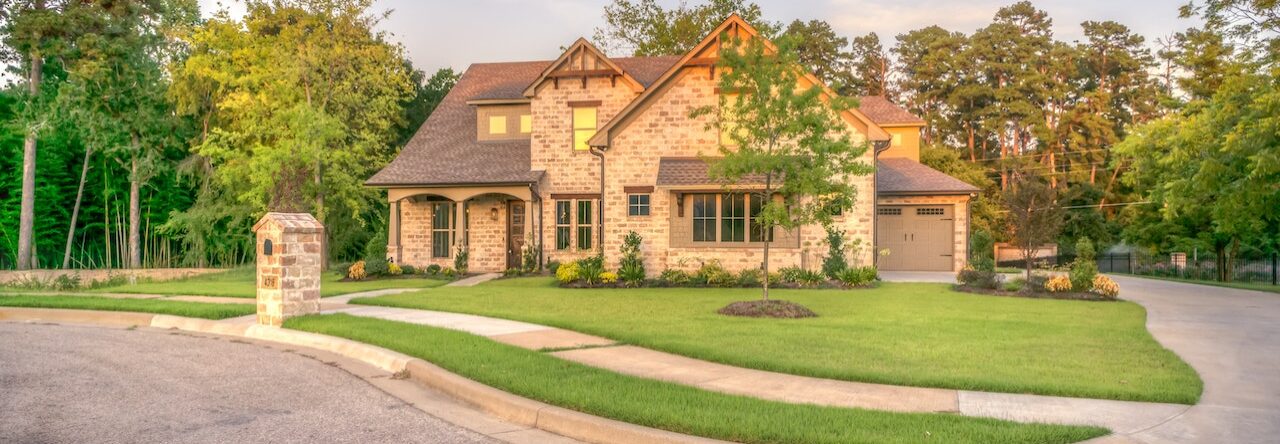
How to have a healthy lawn and add curb appeal to your home in Marietta, GA

Category: Specialized Tips

Seasonal Lawn Care Tips for Year-Round Curb Appeal in Marietta, GA

Imagine driving down Dallas Highway in Marietta, GA, past rows of pristine lawns that scream “welcome home.” Your neighbors envy that lush, emerald carpet framing your brick rancher or colonial revival. But in Marietta’s humid subtropical climate—think scorching summers, mild winters, and occasional freezes—achieving year-round curb appeal isn’t magic. It’s smart, seasonal lawn care.

This guide breaks down essential tips for every season, drawing from local expertise like the University of Georgia Extension and Cobb County Master Gardeners. Whether you’re battling clay-heavy red soil or fending off summer droughts, these strategies will keep your lawn vibrant, weed-free, and the talk of the block. Let’s dive in, starting with the chill of winter.

Winter Prep: Building a Strong Foundation (December–February)

Marietta winters hover around 50°F daytime highs, but nights dip into the 30s, risking frost on cool-season grasses like tall fescue and Kentucky bluegrass that dominate local lawns. Skip the lazy approach—proactive winter care sets up spring success.

First, mow smart. Keep grass at 2.5–3.5 inches to insulate roots and shade out winter weeds like poa annua. Sharpen blades before the last cut in late November; dull ones tear grass, inviting disease.

Aerate now if you skipped fall. Rent a core aerator from a Marietta Home Depot—punch 2–3 inch holes every 4–6 inches in high-traffic areas. This combats our compacted clay soil, improving water and nutrient flow. Follow with a winterizer fertilizer: 16-4-8 NPK ratio, applied at 1 lb nitrogen per 1,000 sq ft. UGA recommends slow-release formulas to avoid leaching during heavy December rains.

Don’t ignore leaves. Mulch them with your mower into fine pieces—they’re free organic matter. Rake only thick layers to prevent smothering. Watch for fungal foes like brown patch; if yellow rings appear, apply a fungicide like propiconazole, but test soil pH first (aim for 6.0–7.0).

Pro tip: Overseed thin spots with perennial ryegrass for winter green-up. In Marietta’s Zone 7b, this creates a lush patchwork by January. Result? Your curb appeal shines even under holiday lights—no bare, muddy eyesores.

Spring Revival: Wake Up Your Lawn (March–May)
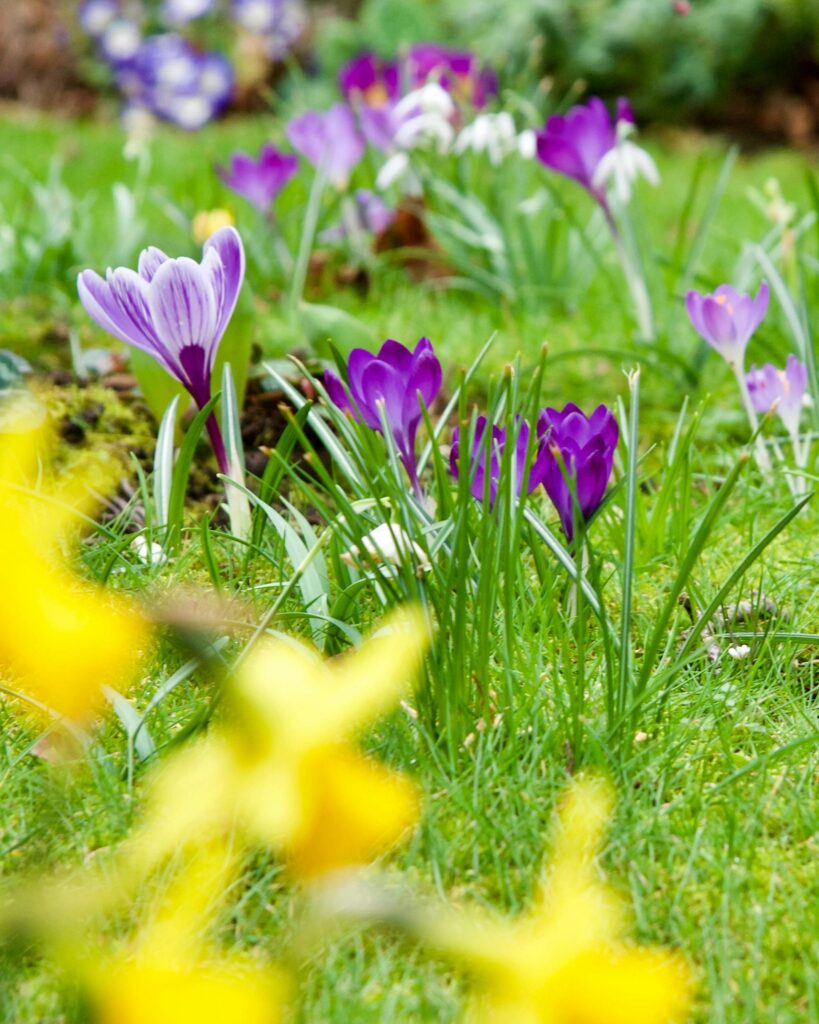
Photo by David Orsborne

Spring in Marietta bursts with dogwoods and azaleas, but your lawn needs coaxing from dormancy. Average highs climb to 70°F, rainfall peaks, and Bermuda or zoysia warm-season grasses stir. Time to fertilize aggressively.

Kick off with a soil test from the Cobb County Extension office—$10 well spent. Amend with lime if acidic (common here). Mow new growth at 3–4 inches for shade tolerance. Pre-emergent herbicides like prodiamine in early March stop crabgrass before it sprouts; apply when forsythias bloom nearby.

Water deeply but infrequently: 1 inch per week, measured with a tuna can. Marietta’s red clay holds moisture, so overwatering breeds root rot. Edge beds along your driveway for that crisp curb line—use a string trimmer for precision.

May brings heat, so crabgrass preventers give way to post-emergent spot treatments. Introduce clover or microclover for nitrogen-fixing drought tolerance; it’s low-maintenance and bee-friendly. By Memorial Day, your lawn should rival those at Kennesaw Mountain National Battlefield—vibrant and inviting.

Summer Survival: Beat the Heat and Drought (June–August)

Marietta summers sizzle: 90°F days, high humidity, and spotty rain challenge even the toughest Bermuda lawns. Curb appeal falters with brown patches, but smart tactics keep it thriving.

Prioritize irrigation. Install a rain gauge or smart controller synced to Marietta’s weather via apps like Rachio. Water early morning, 1–1.5 inches weekly, avoiding evening to dodge fungal issues. Drought restrictions? Check mariettaga.gov—mulch 2–3 inches deep around trees to retain soil moisture.

Fertilize lightly: 0.5 lb nitrogen monthly with iron supplements for green without growth spurts. Mow high at 3.5 inches to shade soil and roots. Sharpen blades biweekly; bag clippings if they don’t break down.

Combat grubs and chinch bugs—lift sod to check. Milky spore or imidacloprid treatments work wonders. Overseed shade spots with fine fescue blends suited to Marietta’s oak-draped yards.

Local hack: Plant native buffalo grass edges for low-water zones. Your lawn stays photogenic for summer barbecues, dodging the “crispy critter” look.

Fall Fortress: Strengthen for the Long Haul (September–November)

Fall’s mild 70°F days and cooling nights are prime for recovery. Marietta lawns rebound with proper care, prepping for winter dormancy.

Core aerate again if needed, then topdress with ¼ inch compost or sand. This levels imperfections from summer traffic and boosts microbes in our nutrient-poor soils.

Fertilize twice: Early September (1 lb nitrogen) for root growth, mid-October winterizer. Use organic options like milorganite to sidestep burn risks.

Weed control peaks—broadleaf killers like 2,4-D tackle dandelions. Overseed extensively: Tall fescue at 6–8 lbs per 1,000 sq ft for cool-season dominance. Keep moist for 21 days.

Rake thatch buildup over ½ inch; verticut if severe. Plant cool-season perennials like black-eyed Susan for borders, enhancing curb appeal with color pops.

By Thanksgiving, your Marietta lawn boasts thick, resilient turf—ready to wow carpool lines on Lower Roswell Road.

Year-Round Strategies: Maintenance for Non-Stop Appeal

Seasonal tips shine brighter with habits that transcend calendars.

Sustainable watering: Ditch hoses for drip systems or Marietta-rebated rain barrels. Group plants by hydrozone—lawn separate from xeriscape beds.

Integrated pest management (IPM): Scout weekly. Encourage predators like ladybugs; use neem oil before chemicals.

Mowing mastery: Never cut more than one-third blade height. Alternate directions to prevent ruts. Leave clippings—they recycle 25% nitrogen.

Soil health hacks: Annual tests guide amendments. Add mycorrhizal fungi inoculants for root symbiosis in clay.

Eco-upgrades: Switch to electric mowers for quiet, zero-emission cuts. Native pollinator strips along fences boost biodiversity and aesthetics.

Budget tip: DIY most tasks, but hire pros like Marietta Landscape for aeration ($75–150). Track progress with apps like LawnStarter.

Troubleshoot common Marietta woes:

IssueCauseFix
Yellow streaksIron deficiencyChelated iron spray
Thin patchesShade/grubsOverseed + grub control
Weedy invasionPoor fertilityDense seeding + pre-emergents
Water runoffClay compactionAeration + organic matter

Tools and Local Resources for Marietta Homeowners

Gear up without breaking the bank:

  • Essentials: Reel mower for precision, soil probe, broadcast spreader.
  • Tech: Weather-aware sprinkler timers, soil moisture meters.
  • Local buys: Pike Nurseries (Marietta Square) for sod, fertilizers; Cobb Extension workshops.

Join the Cobb Master Gardener program for free advice. Apps like PictureThis ID weeds instantly.

Your Lawn, Marietta’s Pride

Mastering seasonal lawn care in Marietta, GA, helps create a healthy landscape while boosting your home’s curb appeal and overall property value. Pairing year-round lawn maintenance with routine garage door maintenance, garage door opener inspections, and weather seal replacements keeps both your yard and garage in top condition through every season. From winter preparation and spring lawn revival to summer upkeep and fall cleanup, a well-maintained property includes a reliable, smoothly operating garage door. Regular garage door inspections can also help identify worn springs, cables, rollers, and tracks before they become costly repairs. Start with a few simple outdoor and garage improvements this weekend, and by next season, your Marietta home will stand out for its attractive landscaping, functional garage, and welcoming appearance.

The written content on this page was generated by perplexity.ai.

Creating a pet-friendly lawn that can withstand wear and tear in Marietta, GA

If you share your Marietta, GA home with a dog or two, you already know the struggle: you dream of a lush, green lawn, but your pets see a racetrack, wrestling ring, and bathroom—all in one. The good news is you do not have to choose between a healthy yard and happy pets. With a smart plan and the right materials, you can create a pet-friendly lawn that stands up to paws, claws, and plenty of playtime.

Photo by Karola G

In a climate like Marietta’s—hot summers, mild winters, and plenty of humidity—your choices of grass, soil preparation, and layout make a huge difference. Here is how to build a durable, attractive lawn that works for both people and pets.

Start With the Right Grass for Marietta’s Climate

The foundation of a tough, pet-friendly lawn is the grass itself. Not all turf varieties respond the same way to heavy traffic, digging, and pet urine, especially in a warm, humid city like Marietta.

Consider these pet-tough options:

  • Bermudagrass
    Bermudagrass is one of the most popular choices in North Georgia for active families and pets. It thrives in full sun, recovers quickly from damage, and tolerates heavy foot (and paw) traffic. For dog owners, that fast recovery is a big advantage when the same areas get trampled over and over.
  • Zoysiagrass
    Zoysia is dense, soft underfoot, and relatively wear-resistant. It tolerates heat and drought well and can handle moderate shade better than bermuda. Its thick growth habit helps crowd out weeds—another plus if your dog’s running tracks tend to bare spots where weeds creep in.
  • Tall Fescue (for cooler, shadier areas)
    Tall fescue stays greener longer into the year than warm-season grasses and can work in partial shade. While not as wear-tolerant as bermuda, some tall fescue varieties are bred for higher traffic. In Marietta, it often performs best in lawns with several hours of afternoon shade.

When choosing turf, think about:

  • Sun vs. shade: Dogs often run along fences and near the house, where shade patterns change throughout the day. Match grass type to actual light conditions.
  • Traffic zones: Install your toughest grass in high-use areas—paths, play zones, and near gates—and use slightly more delicate varieties where your pets rarely go.

A local lawn professional familiar with Cobb County soils and weather can help you mix and match varieties if your property has different microclimates.

Build a Strong Foundation With Good Soil

Even the toughest grass cannot thrive in compacted, poor soil—especially when dogs are pounding the same spots day after day. Marietta’s typical red clay can become very hard, making it harder for roots to grow deeply, and easier for turf to thin out under stress.

To give your lawn a fighting chance:

  • Test and amend your soil.
    A simple soil test (available through University of Georgia Extension or local garden centers) can tell you your pH and nutrient levels. Many Marietta lawns benefit from lime to balance acidity and organic matter to loosen dense clay.
  • Aerate regularly.
    Core aeration removes small plugs from the soil, reducing compaction and allowing water, air, and nutrients to reach the roots. For pet-heavy yards, annual aeration—typically in late spring or early summer for warm-season grasses—can dramatically improve resilience.
  • Topdress with compost.
    After aeration, a thin layer of compost brushed into the holes helps improve soil structure over time. Better soil equals deeper roots and faster recovery from pet damage.

Healthy grass with strong roots is much less likely to turn into mud when your dog races through the yard after a rainstorm.

Design Your Lawn With Pet Behavior in Mind

One of the biggest secrets to a durable, pet-friendly lawn is accepting that your pets have opinions about how to use your yard—and designing around those habits rather than fighting them.

Here are smart design strategies:

  • Create designated run paths.
    Dogs naturally patrol along fences, borders, and property lines. Instead of constantly trying to regrow grass in those areas, consider:
    • Installing mulch or pea gravel paths along fences.
    • Laying pavers or stepping stones in their favorite routes.
    • Using sturdier groundcovers in corners where grass never survives.

This approach turns problem zones into deliberate design features.

  • Add a dedicated potty area.
    Dog urine can burn grass, causing yellow spots that frustrate homeowners. Training your pet to use a specific area can protect the rest of your lawn.
    Good materials for a potty zone include:
    • Pea gravel or decomposed granite (with proper drainage underneath).
    • High-quality pet turf (synthetic grass) with a drainage base.
    • A combination of mulch and hardy shrubs for a more natural look.

Place this area in a convenient but discreet part of the yard and make it easy for your dog to access, especially in bad weather.

  • Design a play zone.
    If your dog loves fetch or tug-of-war, designate a specific open area for rough play and use your most durable grass there. Surrounding this zone with beds, shrubs, or decorative edging can gently guide your dog away from more fragile plantings.

Choose Dog-Safe, Durable Surfaces and Plants

A pet-friendly lawn in Marietta is not just about grass. The surrounding materials and plants should be safe and strong enough to handle enthusiasm, curiosity, and the occasional dig.

For surfaces beyond turf:

  • Opt for rounded, paw-friendly materials.
    Pea gravel, smooth river rock, and shredded hardwood mulch are gentler on paws than sharp stones or rough gravel. They also drain well during heavy summer downpours.
  • Avoid cocoa mulch.
    Cocoa bean mulch can be toxic to dogs if ingested. Stick to cedar, pine, or hardwood mulches instead.

For plants and landscaping:

  • Pick non-toxic plants.
    Some ornamental plants commonly used in Georgia landscapes are toxic to pets if eaten, including certain types of azaleas, oleander, and sago palm. Before you plant, check if a plant is dog-safe through reputable resources or ask a local landscaper.
  • Use tough border plants.
    Low, dense shrubs or ornamental grasses can act as gentle barriers to keep dogs out of delicate flower beds, while still looking attractive. Choose varieties that hold up to brushing and occasional trampling.
  • Protect new plantings.
    When you add new shrubs or flowers, use temporary fencing or barriers until they become well established. Curious dogs often see freshly turned soil as an invitation to dig, especially near landscaping around garage doors, driveways, and walkways. Protecting these areas also helps prevent dirt and debris from accumulating near your garage door tracks, weather seals, and entry points, supporting smoother garage door operation and a cleaner exterior.

Manage Wear and Tear Proactively

Even the most carefully designed pet-friendly lawn will experience damage over time. The key is to stay ahead of problems so bare patches do not grow into large muddy areas.

Some proactive habits:

  • Rinse urine spots when possible.
    If you see your dog frequently using the same spot on your natural grass, rinsing that area with water can help dilute the nitrogen and salts that cause burn spots. This is especially helpful during hot, dry spells.
  • Overseed high-traffic areas.
    For lawns with tall fescue or mixed cool-season grasses, overseeding thin or worn areas in early fall helps maintain density. For warm-season grasses, plugging or sprigging in late spring can thicken bare patches.
  • Rotate play areas.
    If your yard allows, occasionally change where you play fetch or set up agility equipment. Spreading out the wear gives grass time to recover.
  • Keep nails trimmed.
    Regular nail trims reduce the amount of tearing and scratching your dog’s paws cause when they run or dig.

Consider Pet-Friendly Artificial Turf for Problem Zones

In some parts of your yard, natural grass may never win the battle—especially in deeply shaded areas, narrow side yards, or zones subjected to constant traffic and digging. Pet-specific artificial turf can be a smart solution in these locations.

Modern pet turf systems offer:

  • Excellent drainage.
    Installed over a proper base, pet turf allows urine to drain through, reducing odors when combined with regular cleaning.
  • High durability.
    Quality turf fibers resist matting and wear, even with active dogs.
  • Mud-free surfaces.
    No more muddy paws racing back into your house after a summer thunderstorm.

It is important to choose a system designed for pets, not just general landscaping turf. Look for products with antimicrobial backing, good permeability, and infill that stays cooler under the hot Marietta sun. Professional installation is critical for proper grading, drainage, and secure seams that pets cannot easily dig up.

Many homeowners in Marietta choose a hybrid approach—natural grass for most of the lawn, with pet turf in the heaviest use areas near patios, side yards, or dedicated dog runs.

Make Shade and Comfort a Priority

Hot Georgia summers can be tough on both pets and lawns. Creating shady, cool retreat areas encourages your dog to rest instead of constantly running circles around the yard—and it helps preserve your grass.

You can add comfort and protection with:

  • Shade structures.
    Pergolas, shade sails, or strategically placed umbrellas over patios and play zones give your pet a place to cool down and protect turf from intense afternoon sun.
  • Dog-friendly water access.
    A simple outdoor water station or splash pad keeps pets hydrated and entertained, which can reduce boredom-driven digging.
  • Paw-safe temperatures.
    Dark pavers and concrete can get very hot. Lighter-colored materials and shaded paths help protect sensitive paw pads during peak heat.

By giving dogs comfortable resting spots, you lower the pressure on your grass and reduce the chances of stress-related behaviors like obsessive digging.

When to Call in a Local Professional

Creating a truly pet-ready lawn in Marietta, GA often benefits from professional insight. Local lawn care specialists and landscapers understand:

  • The specific challenges of Cobb County’s clay soils.
  • How local weather patterns affect grass growth and recovery.
  • Which grass varieties and plants perform best in your neighborhood.
  • How to balance aesthetics with durability and pet safety.

A professional can help you:

  • Select and install the right mix of turf, mulch, and hardscape for your pets.
  • Design a dog run or potty area that drains properly and looks attractive.
  • Repair and renovate a badly damaged lawn while keeping it accessible for your pets.

While DIY solutions work for small changes, a long-term, pet-friendly lawn plan often pays off in fewer repairs, less frustration, and a yard you are proud to show off.

Living in Harmony: Pets, People, and Grass

A beautiful lawn and active pets do not have to be at odds. By choosing durable, climate-appropriate grasses, strengthening your soil, designing with your pets’ natural habits in mind, and using smart materials in high-traffic zones, you can enjoy a yard that stands up to everyday wear and tear.

In Marietta’s warm, sometimes challenging climate, a thoughtful approach goes a long way. Whether you work with a local lawn care company or tackle some of these projects yourself, investing in a pet-friendly design now means fewer bare spots, less mud, and more time enjoying your outdoor space—with your four-legged family members right there beside you.

The written content on this page was generated by perplexity.ai.

Designing and Maintaining a Vibrant Lawn in Shady Areas of Marietta, GA

A lush, healthy lawn is something many homeowners in Marietta, GA take pride in — but achieving that vibrant green carpet becomes a real challenge when your yard is shaded by towering hardwoods, charming pines, or structures that block sunlight. Shady areas may seem like a landscaping headache, but with the right planning, grass selection, and maintenance routine, you can create a thriving lawn even in lower-light environments.

The climate in Marietta, located in North Georgia, features hot summers, mild winters, and plenty of humidity — great for growth, but also known for stressing turf, especially without direct sun. The area is full of beautiful mature trees, which add value and shade, yet also create dense canopy zones where grass struggles. Instead of fighting nature, understanding it is the key to creating a lush, sustainable lawn beneath shade.

Photo by Lisa

If you’re struggling with patchy grass, thinning lawns, moss growth, or bare soil in shaded areas, don’t worry — this guide will help you design, plant, and maintain a healthy shaded-area lawn that enhances your landscape, boosts your curb appeal, and even supports better home security by keeping your outdoor space well-maintained and visible.


Understanding Shade Conditions in Marietta

Before choosing grass or making any changes, it’s crucial to understand the type of shade in your yard. Shade isn’t all the same — and different plants respond differently.

Marietta properties often experience these shade levels:

Shade TypeDescriptionHours of Light
Light ShadeFiltered sunlight through leaves3–5 hours/day
Partial ShadeSun only in morning or afternoon2–4 hours/day
Deep ShadeVery limited direct sunlightLess than 2 hours/day

The more shade you have, the more strategic your approach must be. Turfgrass needs at least some light to survive — so identifying the shade level sets the foundation for success.


Best Turf Options for Shady Lawns in Marietta

Not all grasses thrive in shade. Cool-season grasses often struggle with Georgia heat, so warm-season cultivars are preferred.

Below are the most successful grass types for Marietta’s shady yards:

✅ Fine Fescue

  • One of the most shade-tolerant grasses
  • Performs well in cooler, shaded zones
  • Blends great with other turf types

Best for deep shady pockets or areas that receive cool filtered light.

✅ Zoysia Grass

  • Medium shade tolerance
  • Thick, carpet-like growth
  • Heat and drought resistant

Zoysia is ideal for yards that receive partial shade and dappled sunlight.

✅ St. Augustine Grass

  • Highest shade tolerance among warm-season grasses
  • Widely used in Southern landscapes
  • Coarse texture but very lush

Perfect for heavily wooded areas, though needs at least 4 hours of indirect light.

✅ Tall Fescue Blend

  • Cool-season option
  • Handles moderate shade
  • Deep root system for drought tolerance

Works well in transition zones or partially shaded lawn edges.


Enhancing Light & Airflow

Grass doesn’t just need water and soil — it needs airflow and light. Improving these elements can dramatically improve turf in shaded settings.

🌳 Selective Tree Pruning

Trim branches to open canopy space. Avoid over-pruning; gradual thinning is best.

🍂 Leaf Management

Remove fallen leaves quickly. Leaves block sunlight and promote fungus in humid Georgia weather.

💨 Improve Air Movement

Trim shrubs and low limbs to improve breeze and reduce disease pressure.

These small adjustments can dramatically support grass health without damaging your trees’ natural beauty.


Soil Preparation for Shade Success

Grass in shade requires different soil conditions than grass in full sun.

✅ Increase Organic Matter

Mix compost into soil to improve nutrient and moisture retention.

✅ Ensure Good Drainage

Shaded areas often trap moisture — aeration improves root oxygen and prevents fungal issues.

✅ Adjust pH if Needed

Marietta’s red-clay soils tend to be acidic. Aim for pH 6.0–6.5 for shade grasses.

Testing soil yearly helps keep your turf healthy and balanced.


Watering Tips for Shady Lawns

Shaded grass typically needs less water, not more. Overwatering causes disease, fungus, and root failure.

Follow these watering guidelines:

  • Water deeply but infrequently
  • Adjust irrigation schedules to reflect cooler shade conditions
  • Water early morning to prevent moisture build-up overnight

Signs of overwatering include:

  • Mushy soil
  • Mold or mildew
  • Yellow or thinning turf

Balance is key — moist but not soggy.


Fertilizing & Feeding Shade Grass

Shaded lawns need lighter fertilization. Too much nitrogen encourages blade growth instead of roots and increases disease.

Follow this schedule for Marietta grass:

🟢 Light feed in early spring
🟢 Supplemental feed in early fall
🔴 Avoid heavy summer fertilizing in deep shade

Use slow-release fertilizer to support long-term health.


Mowing Tips for Shade-Loving Lawns

Grass blades act like solar panels — in shade, they need more surface area to take in light.

Mowing rules for shade areas:

  • Raise the mowing height (¾–1 inch higher)
  • Keep mower blades sharp
  • Avoid cutting more than ⅓ of the blade height at once

Longer grass = stronger roots = healthier shade lawn.


Alternatives for Very Shady Spaces

Sometimes, even shade-tolerant grasses can’t thrive. If your yard gets fewer than 2 hours of indirect sun, consider alternatives:

✅ Groundcovers

  • Mondo grass
  • Pachysandra
  • Ferns
  • Ajuga

✅ Mulch beds
Add texture and prevent weeds.

✅ Native shade gardens
Hostas, hydrangeas, hellebores, and native ferns thrive here.

✅ Decorative hardscapes
Stone pathways, gravel seating areas, or woodland features create charm and reduce maintenance.

Choosing alternatives can turn a struggle spot into a standout landscape feature.


Ongoing Maintenance Tips

To keep your shaded lawn green and full:

  • Aerate annually
  • Overseed thin areas each fall
  • Remove debris often
  • Use fungal-preventive treatment during humid months

Consistency is the secret to long-term success.


Troubleshooting Common Shady-Lawn Problems

ProblemCauseSolution
Moss growthpoor drainage / low pHaerate, raise pH, boost sunlight
Bare patchestoo much shadeprune trees, overseed, consider groundcovers
Fungus spotsexcess moistureimprove air flow, adjust watering
Thin, weak grasspoor nutritionslow-release feeding, soil amendment

A shaded lawn may require observation and adaptation — but once established, it becomes naturally efficient and resilient.


A shady lawn in Marietta doesn’t have to mean bare soil or moss-covered ground. With the right grass type, thoughtful design, and smart care techniques, you can cultivate a lush and vibrant lawn even under tree canopies.

By respecting natural light conditions, improving soil quality, and committing to seasonal care, your shaded landscape can thrive — bringing charm, coolness, and natural elegance to your property.

Instead of fighting shade, embrace it, work with it, and transform it into one of your yard’s greatest assets.

The written content on this page was generated by perplexity.ai.
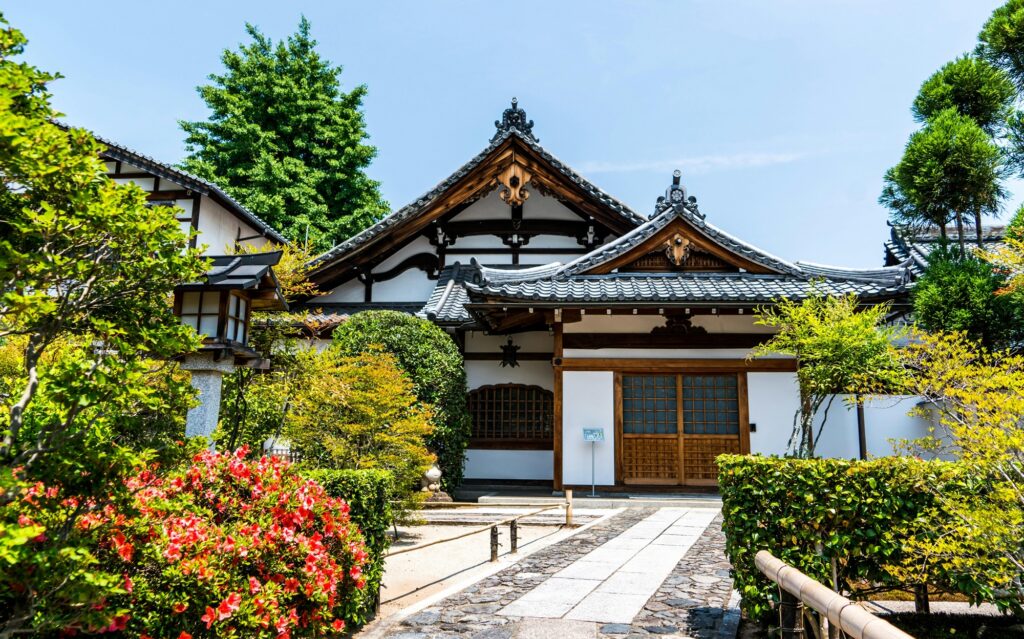
Incorporating Native Plants into Your Marietta, GA Landscape for Low-Maintenance Beauty

Creating a beautiful and thriving landscape in Marietta, GA doesn’t have to mean endless watering, pruning, and care. One of the most effective ways to achieve a stunning yard with minimal effort is by incorporating native plants into your outdoor design. Native plants offer natural beauty while flourishing in the local climate and soil conditions, making them a smart and sustainable choice for homeowners who want a captivating yet low-maintenance landscape.

In Marietta, nestled in the picturesque region of North Georgia, native plant gardening is more than a trend — it’s a long-term investment in your property and the environment. From flowering perennials to graceful trees and hardy shrubs, native plant selections offer lush greenery, vibrant blooms, and habitat benefits for local wildlife. Let’s explore how you can transform your landscape with native plants and enjoy year-round beauty without constant upkeep.

Photo by Pixabay

Why Choose Native Plants for Your Marietta Landscape?

Native plants are species that have evolved naturally within a specific region over thousands of years. In Marietta and the rest of North Georgia, these plants are well-adapted to the region’s humidity, rainfall patterns, and soil conditions. This translates to a range of benefits:

✅ Low Maintenance

Native plants require less watering, fertilizing, and pest control because they are already suited to the environment. Once established, they thrive with minimal human intervention — perfect for busy homeowners.

✅ Better Soil & Water Efficiency

Since they’re adapted to local soils — including Georgia’s famous red clay — native plants improve soil quality and require less irrigation. This helps conserve water and promotes healthier plant growth.

✅ Pest & Disease Resistance

Native species have natural defenses against regional pests and diseases, reducing the need for chemical interventions and supporting eco-friendly landscapes.

✅ Wildlife Support

Butterflies, birds, pollinators, and beneficial insects rely on native plants for food and shelter. By adding native species, you contribute to Marietta’s biodiversity and natural ecosystem.


Best Native Plants for Marietta, GA Landscapes

Marietta gardeners enjoy a diverse selection of native plants suitable for various yard sizes, soil types, and sunlight preferences. Below are some standout options:

Native Trees

  • Eastern Redbud (Cercis canadensis): Produces pink spring blooms and heart-shaped leaves; ideal for smaller yards.
  • Dogwood (Cornus florida): Known for beautiful spring blossoms and striking fall foliage.
  • Southern Magnolia (Magnolia grandiflora): Evergreen with glossy leaves and iconic large white flowers.

Native Shrubs

  • Oakleaf Hydrangea (Hydrangea quercifolia): Cone-shaped blooms and bold foliage; thrives in partial shade.
  • Sweet Pepperbush (Clethra alnifolia): Fragrant flowers that attract pollinators.
  • Beautyberry (Callicarpa americana): Produces bright purple berries loved by birds.

Native Perennials

  • Black-eyed Susan (Rudbeckia hirta): Golden petals with dark centers; a cheerful summer staple.
  • Georgia Aster (Symphyotrichum georgianum): Purple fall blooms; excellent for late-season color.
  • Wild Bergamot (Monarda fistulosa): Lavender blooms; attracts bees and hummingbirds.

Native Groundcovers

  • Creeping Phlox (Phlox stolonifera): Carpet-like growth with spring flowers.
  • Christmas Fern (Polystichum acrostichoides): Evergreen groundcover great for shaded areas.

Native Grasses

  • Little Bluestem (Schizachyrium scoparium): Blue-green summer foliage that turns copper-red in fall.
  • Switchgrass (Panicum virgatum): Tall ornamental grass ideal for naturalistic plantings.

Design Tips: Bringing Native Plants into Your Outdoor Space

Incorporating native plants into your Marietta garden doesn’t have to be complicated. Here are creative and practical tips:

1. Start Small

Pick one area — such as the front walkway or backyard garden bed — and plant a mix of native shrubs and perennials. As they establish, gradually expand.

2. Layer Plants for Visual Depth

Native landscapes can be just as refined as traditional gardens. Use a layered approach:

  • Tall trees in the back
  • Shrubs in the middle
  • Perennials and groundcovers in the front

This creates structure, texture, and visual interest year-round.

3. Choose Plants that Bloom in Different Seasons

Select species that flower or produce colorful foliage across seasons. For example:

  • Spring: Eastern Redbud, Dogwood
  • Summer: Black-eyed Susan, Wild Bergamot
  • Fall: Georgia Aster, Switchgrass
  • Winter: Magnolia evergreens, Oakleaf Hydrangea bark & seed heads

This ensures your yard always looks lively.

4. Match Plants to Sun & Soil Conditions

Some natives prefer shade under Marietta’s mature hardwoods, while others enjoy full sun. Understanding each plant’s needs leads to better results and less maintenance.

5. Water Only Until Established

Native plants need initial watering to help roots grow strong — typically the first 6–12 months. After that, they require minimal irrigation.

6. Use Mulch to Retain Moisture

A natural mulch layer helps regulate soil temperature, conserve moisture, and suppress weeds — important during Georgia’s hot summers.


How Native Landscaping Boosts Property Value in Marietta

Many homeowners choose native landscaping not only for convenience, but also for long-term property benefits. A thoughtfully designed native landscape can:

  • Increase curb appeal
  • Reduce lawn care expenses
  • Minimize irrigation costs
  • Attract buyers interested in sustainability
  • Create a natural outdoor retreat

In neighborhoods throughout East Cobb, West Marietta, Kennesaw Mountain areas, and historic Marietta districts, native gardens blend beautifully with the region’s natural charm.


Rooted in Nature: A Sustainable Choice for Georgia Homeowners

When you embrace native plants, you’re doing more than beautifying your yard — you’re investing in an environmentally-friendly lifestyle. From supporting pollinators like butterflies and hummingbirds to conserving water and reducing chemical use, native gardening is a sustainable solution aligned with Georgia’s climate.

New gardeners, families, and landscape enthusiasts alike can enjoy a flourishing outdoor space without the hassle of constant maintenance. Whether you’re starting a pollinator garden, refreshing your front yard, or redesigning an entire landscape, native plants give your Marietta home texture, color, and life naturally.


Incorporating native plants into your Marietta, GA landscape is a smart, rewarding, and environmentally conscious way to achieve low-maintenance beauty. These plants naturally thrive in local conditions, reduce upkeep time, and create a welcoming haven for wildlife — all while enhancing your property’s appeal.

With thoughtful planning, a blend of native trees, shrubs, perennials, and grasses can transform your outdoor space into a vibrant, sustainable sanctuary. Make the switch to native landscaping and enjoy a yard that works with nature — not against it.

The written content on this page was generated by perplexity.ai.

The Role of Mulching in Promoting a Healthy Lawn in Marietta, GA

Mulching plays a vital role in promoting a healthy lawn in Marietta, GA, by enhancing soil quality, conserving moisture, suppressing weeds, and regulating soil temperature. With Marietta’s hot summers, moderate rainfall, and seasonal temperature fluctuations, mulching is a practical gardening practice that improves lawn resilience and appearance, making it an essential component of effective lawn care in this region.

Understanding Mulching and Its Benefits

Mulching involves covering the soil surface around plants and grass with a protective layer of organic or inorganic material. This layer serves multiple purposes that directly contribute to a lawn’s health:

  • Moisture Conservation: Mulch helps retain soil moisture by reducing evaporation. This is particularly important in Marietta’s warm climate, where summer heat can quickly dry out lawns.
  • Temperature Regulation: Mulch acts as insulation, keeping soil cooler in the hot summer months and warmer during winter’s cool nights, promoting steady root growth.
  • Weed Suppression: By blocking sunlight, mulch prevents many common weeds from germinating, reducing competition for nutrients and water.
  • Soil Improvement: Organic mulches decompose over time, enriching the soil with organic matter, improving soil structure, and fostering beneficial microbial activity.
  • Erosion Control: Mulch protects the soil from erosion caused by heavy rains or wind, which can be a concern in Marietta during seasonal storms.

Types of Mulch Suitable for Marietta Lawns

Photo by Colon Freld

Choosing the right mulch type is key to maximizing these benefits. Marietta’s climate makes certain mulches better suited for local lawns, each with its pros and cons:

  • Organic Mulches:
    • Wood Chips and Bark: Sourced from local trees, these mulches last long and gradually add nutrients to the soil as they break down.
    • Pine Straw: Lightweight and acidic, pine straw is excellent for acid-loving grass varieties and reduces soil erosion.
    • Compost: Rich in nutrients and beneficial microbes, compost can be applied as a thin mulch layer or incorporated into the soil for an extra boost.
    • Grass Clippings: Using finely chopped grass clippings as mulch recycles nutrients back into the lawn but should be applied thinly to avoid matting.
  • Inorganic Mulches:
    • Rubber Mulch: Made from recycled tires, this durable option doesn’t decompose and is often used in decorative lawn features but is less common on traditional turf.
    • Gravel or Stones: Used for drainage enhancement or in xeriscape designs but not typically applied over grass lawns.

For Marietta lawns, organic mulches like wood chips, pine straw, or grass clippings are generally recommended due to their soil-enhancing properties.

How Mulching Supports Marietta’s Lawn Grasses

The predominant lawn grasses in Marietta include warm-season varieties such as Bermuda grass, Zoysia grass, and Tall Fescue. These grasses benefit uniquely from mulching practices:

  • Warm-season grasses thrive with moderate irrigation and benefit from mulch’s moisture retention, reducing water stress during dry summer periods.
  • Mulching grass clippings back into the lawn during mowing acts as a natural fertilizer, providing nitrogen critical for grass growth.
  • In the cooler months, mulch helps protect the soil’s root zone from temperature fluctuations, promoting healthier over-wintering.

Best Practices for Mulching Your Lawn in Marietta

To maximize mulch’s benefits and avoid potential problems, follow these critical guidelines:

  • Correct Application Thickness: Apply mulch in a layer 2-4 inches thick. Too thin a layer won’t suppress weeds or conserve moisture effectively, while too thick can suffocate grass roots and encourage fungal growth.
  • Keep Mulch Away from Grass Crown: Mulch should not touch the stems or crowns of grass plants, as this can lead to rot; instead, spread it around the base or in dedicated flower or shrub beds near the lawn.
  • Use Mulch in Garden Beds and Borders: While mulch can be beneficial on the soil surface near the lawn, avoid smothering the lawn itself—mulch is more appropriate in flower beds, around trees, or under shrubs adjacent to the lawn.
  • Regular Renewal: Organic mulches decompose and thin out over time. Refresh mulch annually or biannually to maintain its effectiveness.
  • Water Before and After Mulching: Irrigate the soil lightly before applying mulch to maximize moisture retention, and water again after spreading mulch to help it settle.

Complementary Lawn Care Practices to Enhance Mulching Effects

Mulching works best when combined with other lawn care practices, tailored to Marietta’s environment:

  • Aeration: Aerate your lawn in spring or fall to relieve soil compaction, allowing easier water and nutrient penetration under the mulch layer.
  • Proper Mowing Techniques: Keep grass at an appropriate height (around 2.5 to 3 inches for warm-season grasses) to shade the soil and reduce water evaporation, complementing mulch’s moisture conservation.
  • Fertilization Schedule: Use slow-release fertilizers in coordination with mulching so nutrients are available over time, enhancing grass vigor and resilience.
  • Pest Management: Mulch can sometimes harbor pests if not managed properly, so monitor your lawn regularly and use environmentally friendly pest control to maintain balance.
  • Maintaining a healthy lawn is one part of keeping your property in good condition, while homeowners should also stay on top of other essential tasks, such as securing doors, replacing worn locks, and arranging home locksmith services when needed.

Environmental Benefits of Mulching in Marietta

Using mulch is not only beneficial for lawn health but also supports sustainable gardening in the Marietta area:

  • Water Conservation: By reducing the need for frequent irrigation, mulch helps conserve water—an increasingly critical resource during dry spells.
  • Reduction of Chemical Use: Healthy, well-mulched lawns are less susceptible to weeds, reducing reliance on herbicides and promoting a safer environment.
  • Support for Soil Life: Organic mulches nurture earthworms and beneficial microbes that improve soil aeration and fertility, creating a healthier ecosystem.
  • Waste Reduction: Utilizing local organic materials like pine straw or recycled grass clippings as mulch diverts waste from landfills.

Common Mistakes to Avoid with Mulching

To ensure your mulching efforts promote lawn health rather than harm it, be aware of these common pitfalls:

  • Applying mulch directly on top of grass turf, which can suffocate the lawn.
  • Using mulch with seeds or weed fragments, leading to weed growth.
  • Over-mulching or piling mulch against plant bases, increasing risk of disease.
  • Ignoring the mulch’s moisture needs after application, causing drying or mold.

Mulching is a fundamental practice that significantly contributes to a healthy, vibrant lawn in Marietta, GA. By conserving moisture, regulating temperature, suppressing weeds, and enriching the soil, mulching enhances the growth environment for warm-season grasses adapted to local conditions. Coupled with proper application techniques and complementary lawn care measures, mulching supports long-term lawn resilience and curb appeal. Whether you choose pine straw, wood chips, or grass clippings, embracing mulching as part of your lawn maintenance routine will promote a lush, healthy foreyard throughout the challenging seasons of Marietta’s climate.

The written content on this page was generated by perplexity.ai.

Tips for Creating a Beautiful Front Yard Garden in Marietta, GA

Creating a beautiful front yard garden in Marietta, GA, requires a blend of thoughtful planning, knowledge of local climate and soil conditions, and creative design. Marietta’s warm summers, mild winters, and moderate rainfall provide an excellent environment for diverse plant types, making it an ideal location for home gardening enthusiasts. This article will guide you through essential tips to transform your front yard into a stunning garden that boosts curb appeal and enriches your living space.

Understand the Climate and Soil

Before planting, it’s crucial to deeply understand Marietta’s climate and soil composition to ensure your garden thrives. Located in USDA Hardiness Zone 7b, Marietta experiences warm, humid summers with temperatures often reaching the mid-80s to low 90s Fahrenheit, and mild winters where temperatures rarely dip below 20°F. This temperate climate supports a broad spectrum of plants ranging from vibrant perennials to evergreen shrubs.

  • Soil Testing: Begin by testing your soil’s pH and nutrient levels, either using a home kit or by sending samples to a local extension office. Marietta’s soil often varies from sandy loam, which drains well but may require more frequent watering, to heavier clay soils that retain moisture but can cause root rot if not amended properly.
  • Soil Amendment: Improve soil health by mixing in organic compost or aged mulch to regulate moisture retention, boost fertility, and provide beneficial microbes. Working compost into the top 6 to 8 inches helps create an ideal environment for roots.
  • Plant Groupings: Place plants with similar water and light needs together. For example, group sun-loving plants like Black-Eyed Susans and Lantanas in the brightest areas, while shading moisture-loving plants such as Ferns or Hostas under trees or in shaded spots. This strategy minimizes plant stress and watering inefficiency.

Choose Plants That Thrive in Marietta

Selecting the right plants is essential for creating a low-maintenance yet visually stunning garden.

  • Native Plants: Native species like Eastern Redbud (Cercis canadensis), Flowering Dogwood (Cornus florida), and various Azaleas are adapted to Marietta’s environment. These plants not only thrive with minimal care but also support local pollinators like bees and butterflies.
  • Drought-Tolerant Plants: Water conservation is important during Marietta’s hotter months. Plants such as Lantana, Purple Coneflower (Echinacea purpurea), and Black-Eyed Susan (Rudbeckia hirta) can withstand dry conditions and still provide vibrant blooms.
  • Seasonal Annuals: To keep the garden lively and colorful year-round, rotate seasonal annuals like Petunias in spring and summer or Pansies in the cooler fall and winter months.
  • Evergreens: Incorporate staple evergreens like Boxwoods (Buxus spp.) and Hollies (Ilex spp.) for a lasting green backdrop, structural accents, and year-round privacy.

Design with Structure and Flow

Creating a coherent garden design greatly enhances both aesthetics and functionality.

  • Defined Beds with Curves: Use sweeping curves instead of straight lines to create a natural, inviting look. This softens the edges of your yard and lends movement to the space.
  • Pathways: Install walkways made of brick, natural stone, or wood chips to direct visitors through your garden and reduce wear on the grass. Paths also give the garden accessibility and structure.
  • Vertical Interest: Add height and dimension through vertical elements such as trellises, arbors, or pergolas. Climbing plants like Clematis and Wisteria bring lush color and texture while maximizing small space.
  • Plant Layering: Design with height in mind—place taller plants such as Hydrangeas or Ornamental Grasses towards the back or center, mid-height plants like Daylilies in the middle, and low-growing ground covers such as Creeping Thyme at the edges to create a visually pleasing tiered effect.

Incorporate Functional and Decorative Elements

Thoughtful details enhance the beauty and usability of your front garden.

  • Lighting: Install solar-powered or low-voltage lighting along pathways, near focal plants, or around seating areas. Lighting not only creates ambiance but also improves safety and security at night.
  • Seating Areas: Include a bench or small patio space for relaxation. A seat surrounded by fragrant shrubs or flowering plants creates an inviting retreat.
  • Mulching: Apply natural mulch in neutral browns or blacks around plants to conserve moisture, suppress weeds, and provide a polished look.
  • Water Features: Small fountains, bubbling rocks, or birdbaths introduce gentle sounds that enhance the garden’s tranquility while attracting birds and pollinators, adding lively movement.

Maintain Your Garden for Long-Term Beauty

Sustained care is key to keeping your garden flourishing and attractive throughout the seasons.

  • Watering: Water deeply but less often to encourage roots to grow strong and deep. Early morning watering minimizes evaporation and fungal issues.
  • Pruning and Deadheading: Regularly prune shrubs and deadhead spent flowers to promote vigorous growth and prolonged blooming periods.
  • Pest and Disease Management: Inspect plants frequently for signs of disease or insect damage. Use organic or integrated pest management (IPM) techniques, such as introducing beneficial insects or using neem oil, to protect your garden without harsh chemicals.
  • Fertilizing: Apply a slow-release, balanced fertilizer in early spring and late summer to provide consistent nutrients. Tailor fertilization depending on plant needs—for example, azaleas prefer fertilizers formulated for acid-loving plants.

Personalize Your Garden

Your garden should feel unique and reflect your personality, making the space truly your own.

Photo by Pixabay
  • Decorative Containers: Add planter pots in varying materials like terracotta, ceramic, or wrought iron filled with colorful annuals or trailing plants to provide versatility and interest throughout the seasons.
  • Garden Art: Sculptures, wind chimes, and handcrafted stepping stones can function as visual focal points or conversation starters.
  • Fragrant Blooms: Position sweet-smelling plants like Gardenias, Jasmine, or Sweet Olive near windows or entryways to greet guests with delightful scents.
  • Color Schemes: Whether you prefer serene monochromatic palettes focusing on shades of green or vibrant complementary colors, plan your flowers and foliage to create mood and harmony.

Creating a beautiful front yard garden in Marietta, GA, is both an art and a science. Success comes from understanding local climate and soil, selecting appropriate plants, designing thoughtfully, incorporating decorative touches, and maintaining the space over time. With the region’s conducive climate and diverse plant palette, your garden can become a vibrant, inviting outdoor room that enhances curb appeal and provides ongoing enjoyment—much like how professional locksmith services help protect and enhance the security and value of your home. Whether your style leans toward a natural, woodland-inspired garden or a formal, colorful landscape, these detailed tips will help your vision grow and flourish beautifully.

The written content on this page was generated by perplexity.ai.
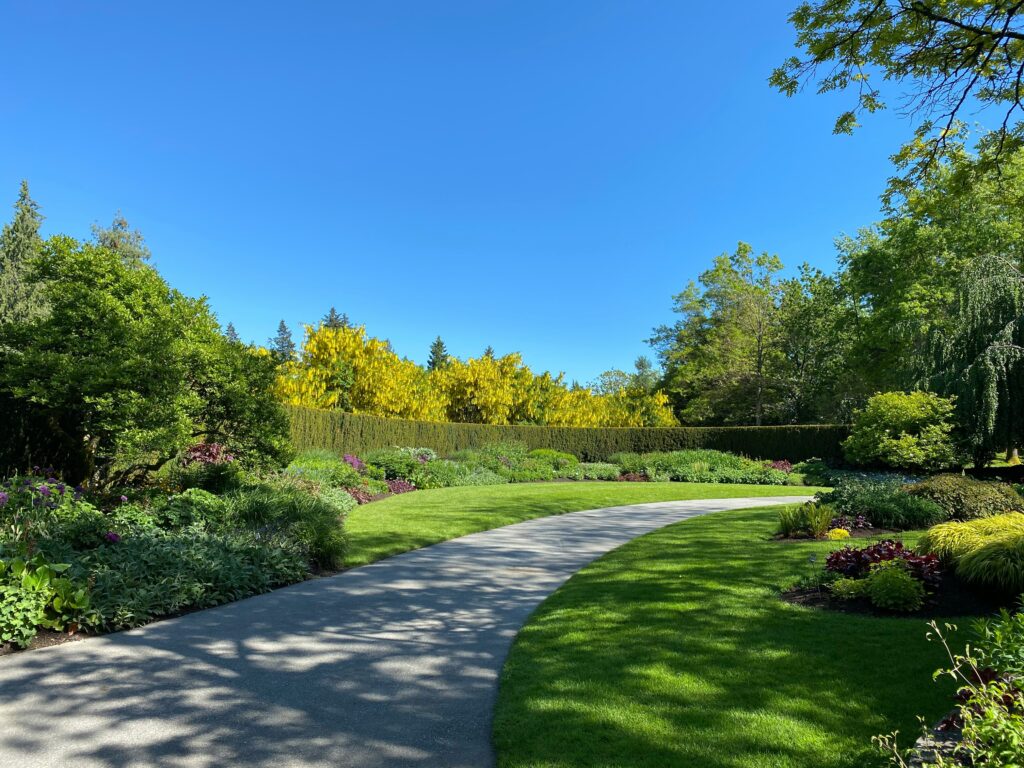
Installing and maintaining an attractive lawn edging in Marietta, GA

In Marietta, GA, an attractive landscape design significantly enhances a property’s curb appeal and overall value. A key component of a well-manicured landscape is lawn edging, which provides a clean, defined border between lawns and garden beds. Edging not only adds to the aesthetic appeal but also serves a functional purpose by preventing grass from encroaching into landscape beds and keeping mulch, pine straw, or rocks in place1. This article explores the various aspects of installing and maintaining lawn edging in Marietta, GA, ensuring a landscape that remains both beautiful and functional.

Photo by Henrique Paim on Unsplash

Benefits of Lawn Edging
Lawn edging offers numerous benefits that contribute to the health and appearance of a landscape.

  • Aesthetic Appeal: Edging provides a crisp, clean line that defines the boundaries between different landscape elements, enhancing the overall visual appeal of a property.
  • Prevention of Grass Intrusion: A well-installed edge acts as a barrier, preventing grass from spreading into flower beds and gardens, which reduces competition for resources and maintains the intended design.
  • Containment of Mulch and Rock: Edging helps to keep mulch, pine straw, and decorative rocks within the designated areas, preventing them from spilling onto the lawn or walkways.
  • Reduced Maintenance: By clearly defining the lawn edges, edging makes mowing and trimming easier, saving time and effort in lawn maintenance.
  • Increased Property Value: An attractive and well-maintained landscape significantly increases the value of a property, making edging a worthwhile investment.

Types of Lawn Edging
Several types of lawn edging are available, each with its own advantages and aesthetic qualities. The choice of edging material depends on the desired look, budget, and specific landscaping needs.

  • Concrete Edging: Concrete edging is a durable and long-lasting option that provides a clean, modern look. It can be customized in various shapes, sizes, and colors to complement the landscape design7.
  • Metal Edging: Metal edging, typically made of aluminum or steel, offers a sleek, contemporary appearance. It is flexible, easy to install, and resistant to corrosion.
  • Plastic Edging: Plastic edging is a cost-effective and versatile option. It is available in various styles and colors and is easy to install. However, it may not be as durable as other materials.
  • Brick or Stone Edging: Brick or stone edging adds a classic, natural touch to a landscape. These materials are durable and can be arranged in various patterns to create a unique look.
  • Wood Edging: Wood edging provides a rustic, natural aesthetic. It is typically made from treated lumber to resist decay and insect damage. Regular maintenance is required to prolong its lifespan.
  • Natural Edging: Natural edging involves creating a trench or using plants to define the lawn’s edge. This option is environmentally friendly and can be very attractive when properly maintained.

Installation ProcessProper installation is crucial to ensure that lawn edging is both functional and aesthetically pleasing. The following steps outline the general process for installing most types of lawn edging:

  1. Planning and Design: Before beginning the installation, plan the layout of the edging. Consider the shape of the lawn and garden beds, and mark the desired path with spray paint or string.
  2. Preparation: Clear the area along the marked path by removing grass, weeds, and debris. Dig a trench along the path, ensuring it is deep enough to accommodate the edging material.
  3. Installation: Install the edging material according to the manufacturer’s instructions or best practices for the chosen material. Ensure that the edging is level and securely in place.
  4. Backfilling: Backfill the trench with soil, packing it firmly around the edging to provide stability. Add mulch, rocks, or other ground cover to the garden beds.
  5. Finishing Touches: Clean up the area and make any necessary adjustments to ensure a neat and professional finish. Water the surrounding area to help settle the soil.

Maintaining Lawn EdgingRegular maintenance is essential to keep lawn edging looking its best and functioning properly. The following tips will help maintain different types of lawn edging:

  • Concrete Edging: Clean concrete edging regularly with a brush and mild detergent to remove dirt and stains. Repair any cracks or chips promptly to prevent further damage.
  • Metal Edging: Inspect metal edging for rust or corrosion and treat it with a rust inhibitor as needed. Straighten any bent sections to maintain a clean line.
  • Plastic Edging: Check plastic edging for cracks or breaks and replace damaged sections. Clean it with soap and water to remove dirt and algae.
  • Brick or Stone Edging: Replace any loose or broken bricks or stones. Clean the edging with a brush to remove moss and dirt.
  • Wood Edging: Apply a sealant or stain to wood edging annually to protect it from moisture and insects. Replace any rotten or damaged sections.
  • Natural Edging: Trim the edges of the lawn regularly to maintain a clean line. Remove any weeds or grass that grow into the garden beds.

Hiring a Professional

While many homeowners can install lawn edging themselves, hiring a professional landscaping company can ensure a high-quality result. Landscaping companies in Marietta, GA, such as Proscapes & Tree, Highground Land and Hardscapes, and Crawford Landscaping, offer edging installation services. Professionals have the experience and equipment to handle any type of edging project, ensuring that it is done correctly and efficiently.

Cost Considerations

The cost of installing and maintaining lawn edging varies depending on the type of material used, the size of the project, and whether you hire a professional. Plastic edging is generally the least expensive option, while concrete and stone edging tend to be more costly. Professional installation services can add to the overall cost but can also save time and ensure a high-quality result, especially when coordinating your landscape upgrades with other exterior improvements like home security lighting to enhance both safety and curb appeal.

Installing and maintaining attractive lawn edging is a simple yet effective way to enhance the beauty and functionality of a landscape in Marietta, GA. By choosing the right type of edging, following proper installation techniques, and performing regular maintenance, homeowners can create a landscape that is both visually appealing and easy to care for. Whether opting for a DIY approach or hiring a professional, investing in lawn edging is a worthwhile endeavor that can significantly improve a property’s curb appeal and value.

The written content on this page was generated by perplexity.ai.
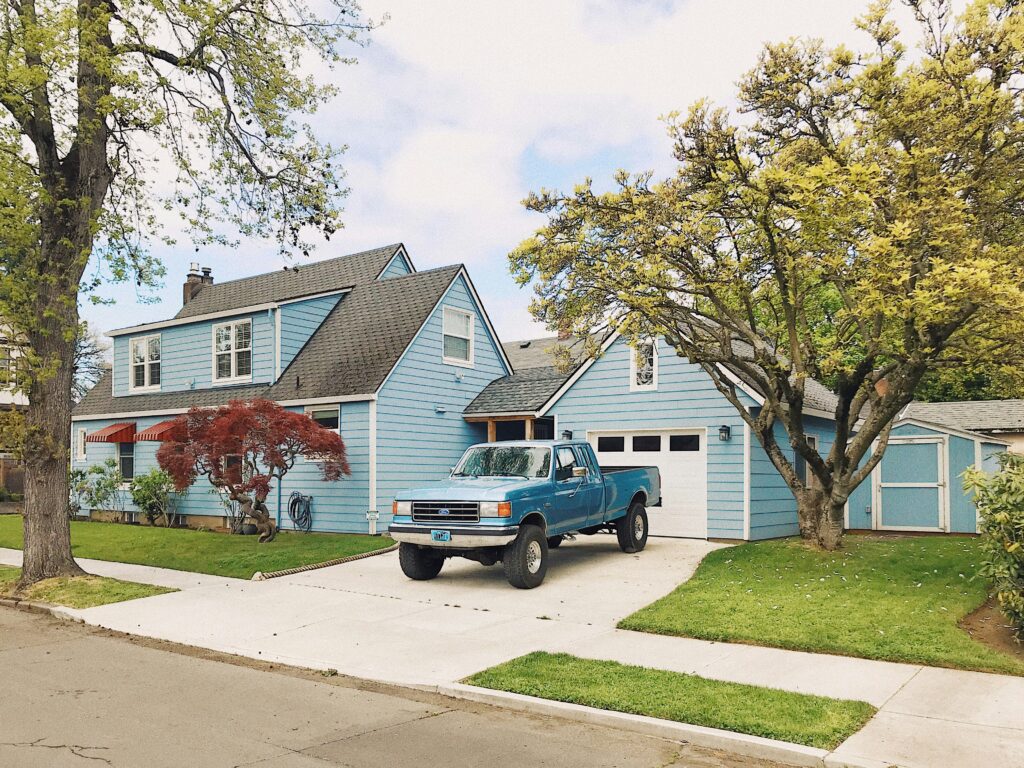
Strategies for maintaining a weed-free driveway and walkway in Marietta, GA

Maintaining a weed-free driveway and walkway is essential for enhancing the curb appeal of your home, especially in Marietta, GA, where the warm climate can promote rapid weed growth. This article outlines effective strategies to keep your outdoor spaces clean and attractive.

Photo by Zachary Keimig on Unsplash

Understanding the Weed Problem

Weeds are resilient plants that can thrive in various conditions, often taking root in the cracks of driveways and walkways. In Marietta, common weeds include crabgrass, dandelions, and clover. The local climate, characterized by warm summers and mild winters, provides an ideal environment for these unwanted plants to flourish.

1. Preventive Measures

Mulching:
Applying mulch around your driveway and walkway can significantly reduce weed growth. Organic mulches like wood chips or pine straw not only suppress weeds but also enrich the soil as they decompose.Landscape Fabric:
Installing landscape fabric beneath gravel or mulch can create a barrier that prevents weeds from reaching the surface. Ensure that the fabric is laid flat and overlaps at the seams to block light effectively.Edging:
Using physical barriers such as metal or plastic edging can help define your driveway and walkway while preventing grass and weeds from encroaching. This method is particularly effective in maintaining clean lines between your landscape beds and hardscapes.

2. Chemical Treatments

Pre-emergent Herbicides:
Applying pre-emergent herbicides like Surflan (oryzalin) or Barricade (prodiamine) can prevent weed seeds from germinating. These products should be applied early in the season before weeds start to grow2.

Post-emergent Herbicides:
For existing weeds, post-emergent herbicides such as glyphosate can be effective. However, caution should be exercised to avoid harming desirable plants. Always follow label instructions for safe application.

3. Manual Removal Techniques

Hand Weeding:
Regularly inspecting your driveway and walkway for weeds and pulling them out by hand is an effective method, especially for small infestations. It’s best to remove weeds after a rain when the soil is moist, making it easier to uproot them completely.Weed Torch:
Using a propane torch to burn weeds is a quick solution for small areas. However, this method requires caution to avoid damaging surrounding plants or starting a fire2.

4. Regular Maintenance

Routine Inspections:
Conduct regular inspections of your driveway and walkway to catch any emerging weeds early. This proactive approach will make it easier to manage any problems before they escalate.Power Washing:
Using a power washer can help remove dirt, debris, and even some shallow-rooted weeds from your driveway or walkway. This technique not only cleans but also discourages weed growth by removing their habitat.

5. Professional Assistance

If maintaining a weed-free environment becomes overwhelming, consider hiring a professional landscaping service. Companies like Crawford Landscaping offer comprehensive lawn care solutions tailored to the specific needs of Marietta residents13. They can provide expert advice on weed control methods suitable for your property.

By implementing these strategies—preventive measures, chemical treatments, manual removal techniques, regular maintenance, and seeking professional help—you can effectively maintain a weed-free driveway and walkway in Marietta, GA. A clean outdoor space not only enhances your home’s aesthetic appeal but also contributes to its overall value. 

The written content on this page was generated by perplexity.ai.

Managing Common Lawn Pests and Diseases in Marietta, GA

Maintaining a healthy and vibrant lawn in Marietta, Georgia, requires more than just regular mowing and watering. A significant challenge that homeowners often face is managing common lawn pests and diseases that can compromise the beauty and vitality of the turf. Understanding the types of pests and diseases prevalent in Marietta’s climate and adopting effective management strategies is essential for a successful lawn care routine. In this article, we will explore the common lawn pests and diseases in Marietta, GA, and provide valuable insights into how to manage them.

Common Lawn Pests:

Chinch Bugs:
Chinch bugs are a notorious pest in Marietta lawns, especially affecting St. Augustine grass. These tiny insects feed on grass sap, causing yellowing, browning, and eventually death of the affected areas. To manage chinch bugs, maintain a healthy lawn through proper watering and fertilization, as stressed grass is more susceptible. Apply insecticides labeled for chinch bug control if their presence is confirmed.

Armyworms:
Armyworms are caterpillars that can cause extensive damage by feeding on grass blades. They are particularly active during warm seasons and can quickly defoliate a lawn if left unchecked. Look for signs of irregular chewed areas and presence of caterpillars. Apply insecticides as needed, and consider using biological controls like nematodes.

Grubs:
Grubs are the larvae of various beetles and can cause significant damage by feeding on grass roots. An infestation often leads to brown patches that can be easily lifted like a carpet. Apply grub control products in late spring or early summer to target young larvae and prevent damage.

Sod Webworms:
Sod webworms are another type of caterpillar that feed on grass blades, causing irregular brown patches. They are most active during warm months. Look for evidence of their presence, such as small tubes made of grass blades and webbing. Apply appropriate insecticides to control their population.

Common Lawn Diseases:

Brown Patch:
Brown patch is a prevalent fungal disease in Marietta lawns, particularly affecting cool-season grasses during warm and humid conditions. It causes circular brown patches with a darker border. To manage brown patch, avoid excessive nitrogen fertilization, water in the early morning, and improve air circulation by pruning overhanging branches.

Dollar Spot:
Dollar spot is another fungal disease that creates small, round patches that resemble silver dollars. It often occurs in lawns with nitrogen deficiency and excessive thatch. Manage dollar spot by maintaining proper nitrogen levels, dethatching as needed, and improving soil drainage.

Pythium Blight:
Pythium blight is a disease that thrives in hot and humid conditions, causing patches of wet, slimy grass that appear greasy in the morning. Overwatering and poor drainage contribute to its development. To manage pythium blight, avoid excessive watering, improve drainage, and use fungicides as a preventive measure.

Rust:
Rust appears as orange or reddish-brown powdery pustules on grass blades. It’s common in Marietta’s humid summers. Rust often indicates poor lawn health, so focus on proper fertilization and irrigation practices to prevent its occurrence.

Effective Management Strategies:

Proper Cultural Practices:
Implementing proper cultural practices is the foundation of effective pest and disease management. Maintain proper mowing height, watering, and fertilization to promote a healthy and resilient lawn that can better withstand pest and disease pressures.

Resistant Grass Varieties:
When establishing or overseeding your lawn, consider using grass varieties that are resistant to common pests and diseases in Marietta, GA. Choosing the right grass type can significantly reduce the risk of infestations.

Integrated Pest Management (IPM):
Adopt an Integrated Pest Management approach that combines preventive measures, cultural practices, and targeted treatments. IPM focuses on identifying pests and diseases early and using the least toxic methods for control.

Photo by Anthony Lee on Unsplash

Proper Watering:
Water your lawn in the early morning to allow grass blades to dry during the day, reducing the risk of fungal diseases. Avoid overwatering, as excessively moist conditions can encourage disease development.

Fertilization and Soil Health:
Proper fertilization supports grass health and helps the lawn recover from pest and disease damage. Ensure a balanced nutrient profile and maintain optimal soil pH through regular soil testing and amendments.

Aeration and Dethatching:
Regular aeration and dethatching improve soil drainage and air circulation, creating an environment less favorable for disease development.

Regular Inspections:
Conduct routine inspections of your lawn for signs of pests or diseases. Early detection allows for prompt action and minimizes the extent of damage.

Proper Disposal:
If you’ve removed diseased plant material, make sure to dispose of it properly to prevent the spread of diseases.

Selective Chemical Treatments:
If necessary, use chemical treatments such as insecticides or fungicides. Opt for targeted treatments to minimize harm to beneficial organisms and the environment.

Professional Assistance:
If pest or disease infestations become overwhelming, consider seeking the help of a professional lawn care service. They can provide expert advice and tailored treatments.

Managing common lawn pests and diseases in Marietta, GA, requires a combination of preventive measures, cultural practices, and targeted treatments. By understanding the pests and diseases that commonly affect the region and adopting effective management strategies, you can maintain a healthy and beautiful lawn that enhances the curb appeal of your home. With consistent care and attention, you’ll be well-equipped to tackle pest and disease challenges and enjoy a thriving lawn year-round.

Fertilization Guidelines for a Lush and Green Lawn in Marietta, GA

A lush and green lawn is a source of pride for homeowners in Marietta, Georgia. Achieving such a lawn requires proper care, including regular fertilization. Fertilization provides essential nutrients that support healthy grass growth and vibrant color. However, knowing the right fertilization guidelines specific to Marietta’s climate and soil conditions is crucial for achieving optimal results. In this article, we will explore the fertilization guidelines that will help you maintain a lush and green lawn that enhances the beauty of your Marietta home.

WHEN and HOW to FERTILIZE your lawn

Understanding Your Grass Type:
Before delving into fertilization, it’s essential to understand the grass type in your lawn. Warm-season grasses, such as Bermuda grass and Zoysia grass, thrive in Marietta’s climate due to their tolerance to heat and drought. Cool-season grasses, such as Kentucky bluegrass and tall fescue, can also be grown in the area but require more water and maintenance. Knowing your grass type will guide you in choosing the appropriate fertilization schedule and nutrient requirements.

Conducting a Soil Test:
A soil test is the first step in establishing a proper fertilization plan. Marietta’s soil composition can vary, and understanding its pH level and nutrient content will enable you to customize your fertilization program. You can obtain a soil testing kit from your local agricultural extension office or hire a professional service. Soil testing provides valuable information about the levels of nitrogen (N), phosphorus (P), potassium (K), and other essential nutrients present in the soil.

Spring Fertilization:
In Marietta, GA, a typical fertilization schedule for warm-season grasses begins with a spring application. Apply a balanced fertilizer with a nitrogen-phosphorus-potassium (N-P-K) ratio of 4:1:2 or 3:1:2. The higher nitrogen content promotes lush green growth, while phosphorus and potassium support root development and overall plant health. Spring fertilization should coincide with the grass’s active growth period, usually when soil temperatures consistently reach 55-60°F.

Summer Fertilization:
During the summer months, Marietta experiences hot temperatures and occasional drought conditions. To help your lawn withstand these stressors, apply a slow-release nitrogen fertilizer in late spring or early summer. Slow-release fertilizers provide a steady supply of nutrients over an extended period, reducing the risk of nutrient leaching and promoting steady growth. Avoid excessive nitrogen application during this time, as it can lead to excessive top growth and make the lawn more susceptible to disease and pests.

Fall Fertilization:
Fall is a critical time for lawn fertilization as grasses prepare for winter dormancy. Apply a balanced fertilizer with a slightly higher potassium content to encourage root growth and winter hardiness. A potassium-rich fertilizer with an N-P-K ratio of 4:1:2 or similar is suitable for this time of year. Fall fertilization should be done around September or early October, allowing enough time for the grass to absorb nutrients before winter arrives.

Winterizing Fertilizer:
As winter approaches, a winterizing fertilizer can provide essential nutrients to help your lawn survive the cold weather. Winterizing fertilizers are typically low in nitrogen but contain higher levels of potassium, which enhances the lawn’s resistance to cold and disease. Apply this fertilizer in late fall, around November, to ensure the grass is well-prepared for the winter months.

Avoiding Excessive Fertilization:
While fertilization is essential for a lush and green lawn, it’s crucial to avoid overfertilization. Applying too much fertilizer can lead to excessive growth, weak turf, and nutrient leaching into the groundwater. Additionally, excess nitrogen can cause the grass to be more susceptible to diseases and pests. Follow the recommended application rates based on your soil test results and the specific needs of your grass type.

Consider Slow-Release Fertilizers:
Slow-release fertilizers are an excellent choice for lawn fertilization in Marietta, GA. They provide a controlled release of nutrients over time, reducing the risk of nutrient wastage and leaching. Slow-release fertilizers also promote even and steady growth, avoiding sudden spurts of lush growth that can be prone to diseases and pests.

Fertilizing Established Lawns:
For established lawns, applying fertilizer two to four times per year is usually sufficient. The timing and frequency of fertilization will depend on the grass type, soil conditions, and climate in Marietta. Remember that different grass types have varying nutrient needs, so tailor your fertilization schedule accordingly.

Fertilizing New Lawns:
For newly established lawns or lawns that have been overseeded, a different fertilization approach is necessary. Apply a starter fertilizer with a higher phosphorus content during seeding or sodding to promote strong root development. After the grass has established, transition to a regular fertilization schedule based on the grass type and soil test results.

Watering After Fertilization:
After applying fertilizer, it’s essential to water the lawn thoroughly. This helps dissolve the nutrients and allows them to reach the roots effectively. Watering also prevents the fertilizer from burning the grass blades. However, avoid excessive watering, as it can lead to nutrient leaching and waste.

Fertilization is a key aspect of lawn care that directly impacts the health, color, and vibrancy of your lawn in Marietta, GA. Understanding your grass type, conducting a soil test, and adhering to a well-planned fertilization schedule are essential for achieving a lush and green lawn. By following these fertilization guidelines, you can ensure that your lawn receives the necessary nutrients for healthy growth, resilience against stressors, and a vibrant appearance throughout the year. With proper fertilization, your lawn will become the envy of the neighborhood, adding beauty and value to your Marietta home.

Powered by WordPress & Theme by Anders Norén