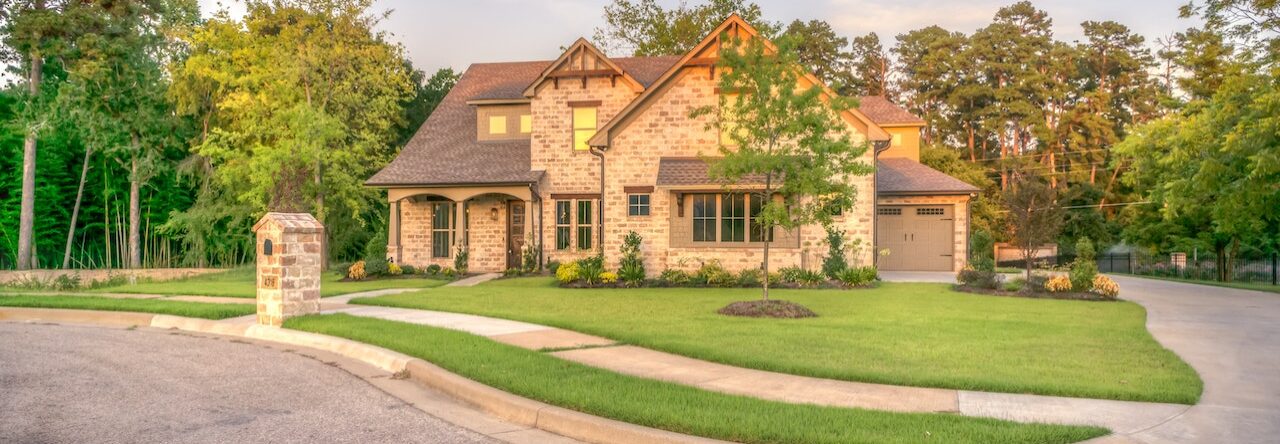
How to have a healthy lawn and add curb appeal to your home in Marietta, GA

Tag: garden design

Tips for Creating a Beautiful Front Yard Garden in Marietta, GA

Creating a beautiful front yard garden in Marietta, GA, requires a blend of thoughtful planning, knowledge of local climate and soil conditions, and creative design. Marietta’s warm summers, mild winters, and moderate rainfall provide an excellent environment for diverse plant types, making it an ideal location for home gardening enthusiasts. This article will guide you through essential tips to transform your front yard into a stunning garden that boosts curb appeal and enriches your living space.

Understand the Climate and Soil

Before planting, it’s crucial to deeply understand Marietta’s climate and soil composition to ensure your garden thrives. Located in USDA Hardiness Zone 7b, Marietta experiences warm, humid summers with temperatures often reaching the mid-80s to low 90s Fahrenheit, and mild winters where temperatures rarely dip below 20°F. This temperate climate supports a broad spectrum of plants ranging from vibrant perennials to evergreen shrubs.

  • Soil Testing: Begin by testing your soil’s pH and nutrient levels, either using a home kit or by sending samples to a local extension office. Marietta’s soil often varies from sandy loam, which drains well but may require more frequent watering, to heavier clay soils that retain moisture but can cause root rot if not amended properly.
  • Soil Amendment: Improve soil health by mixing in organic compost or aged mulch to regulate moisture retention, boost fertility, and provide beneficial microbes. Working compost into the top 6 to 8 inches helps create an ideal environment for roots.
  • Plant Groupings: Place plants with similar water and light needs together. For example, group sun-loving plants like Black-Eyed Susans and Lantanas in the brightest areas, while shading moisture-loving plants such as Ferns or Hostas under trees or in shaded spots. This strategy minimizes plant stress and watering inefficiency.

Choose Plants That Thrive in Marietta

Selecting the right plants is essential for creating a low-maintenance yet visually stunning garden.

  • Native Plants: Native species like Eastern Redbud (Cercis canadensis), Flowering Dogwood (Cornus florida), and various Azaleas are adapted to Marietta’s environment. These plants not only thrive with minimal care but also support local pollinators like bees and butterflies.
  • Drought-Tolerant Plants: Water conservation is important during Marietta’s hotter months. Plants such as Lantana, Purple Coneflower (Echinacea purpurea), and Black-Eyed Susan (Rudbeckia hirta) can withstand dry conditions and still provide vibrant blooms.
  • Seasonal Annuals: To keep the garden lively and colorful year-round, rotate seasonal annuals like Petunias in spring and summer or Pansies in the cooler fall and winter months.
  • Evergreens: Incorporate staple evergreens like Boxwoods (Buxus spp.) and Hollies (Ilex spp.) for a lasting green backdrop, structural accents, and year-round privacy.

Design with Structure and Flow

Creating a coherent garden design greatly enhances both aesthetics and functionality.

  • Defined Beds with Curves: Use sweeping curves instead of straight lines to create a natural, inviting look. This softens the edges of your yard and lends movement to the space.
  • Pathways: Install walkways made of brick, natural stone, or wood chips to direct visitors through your garden and reduce wear on the grass. Paths also give the garden accessibility and structure.
  • Vertical Interest: Add height and dimension through vertical elements such as trellises, arbors, or pergolas. Climbing plants like Clematis and Wisteria bring lush color and texture while maximizing small space.
  • Plant Layering: Design with height in mind—place taller plants such as Hydrangeas or Ornamental Grasses towards the back or center, mid-height plants like Daylilies in the middle, and low-growing ground covers such as Creeping Thyme at the edges to create a visually pleasing tiered effect.

Incorporate Functional and Decorative Elements

Thoughtful details enhance the beauty and usability of your front garden.

  • Lighting: Install solar-powered or low-voltage lighting along pathways, near focal plants, or around seating areas. Lighting not only creates ambiance but also improves safety and security at night.
  • Seating Areas: Include a bench or small patio space for relaxation. A seat surrounded by fragrant shrubs or flowering plants creates an inviting retreat.
  • Mulching: Apply natural mulch in neutral browns or blacks around plants to conserve moisture, suppress weeds, and provide a polished look.
  • Water Features: Small fountains, bubbling rocks, or birdbaths introduce gentle sounds that enhance the garden’s tranquility while attracting birds and pollinators, adding lively movement.

Maintain Your Garden for Long-Term Beauty

Sustained care is key to keeping your garden flourishing and attractive throughout the seasons.

  • Watering: Water deeply but less often to encourage roots to grow strong and deep. Early morning watering minimizes evaporation and fungal issues.
  • Pruning and Deadheading: Regularly prune shrubs and deadhead spent flowers to promote vigorous growth and prolonged blooming periods.
  • Pest and Disease Management: Inspect plants frequently for signs of disease or insect damage. Use organic or integrated pest management (IPM) techniques, such as introducing beneficial insects or using neem oil, to protect your garden without harsh chemicals.
  • Fertilizing: Apply a slow-release, balanced fertilizer in early spring and late summer to provide consistent nutrients. Tailor fertilization depending on plant needs—for example, azaleas prefer fertilizers formulated for acid-loving plants.

Personalize Your Garden

Your garden should feel unique and reflect your personality, making the space truly your own.

Photo by Pixabay
  • Decorative Containers: Add planter pots in varying materials like terracotta, ceramic, or wrought iron filled with colorful annuals or trailing plants to provide versatility and interest throughout the seasons.
  • Garden Art: Sculptures, wind chimes, and handcrafted stepping stones can function as visual focal points or conversation starters.
  • Fragrant Blooms: Position sweet-smelling plants like Gardenias, Jasmine, or Sweet Olive near windows or entryways to greet guests with delightful scents.
  • Color Schemes: Whether you prefer serene monochromatic palettes focusing on shades of green or vibrant complementary colors, plan your flowers and foliage to create mood and harmony.

Creating a beautiful front yard garden in Marietta, GA, is both an art and a science. Success comes from understanding local climate and soil, selecting appropriate plants, designing thoughtfully, incorporating decorative touches, and maintaining the space over time. With the region’s conducive climate and diverse plant palette, your garden can become a vibrant, inviting outdoor room that enhances curb appeal and provides ongoing enjoyment—much like how professional locksmith services help protect and enhance the security and value of your home. Whether your style leans toward a natural, woodland-inspired garden or a formal, colorful landscape, these detailed tips will help your vision grow and flourish beautifully.

The written content on this page was generated by perplexity.ai.
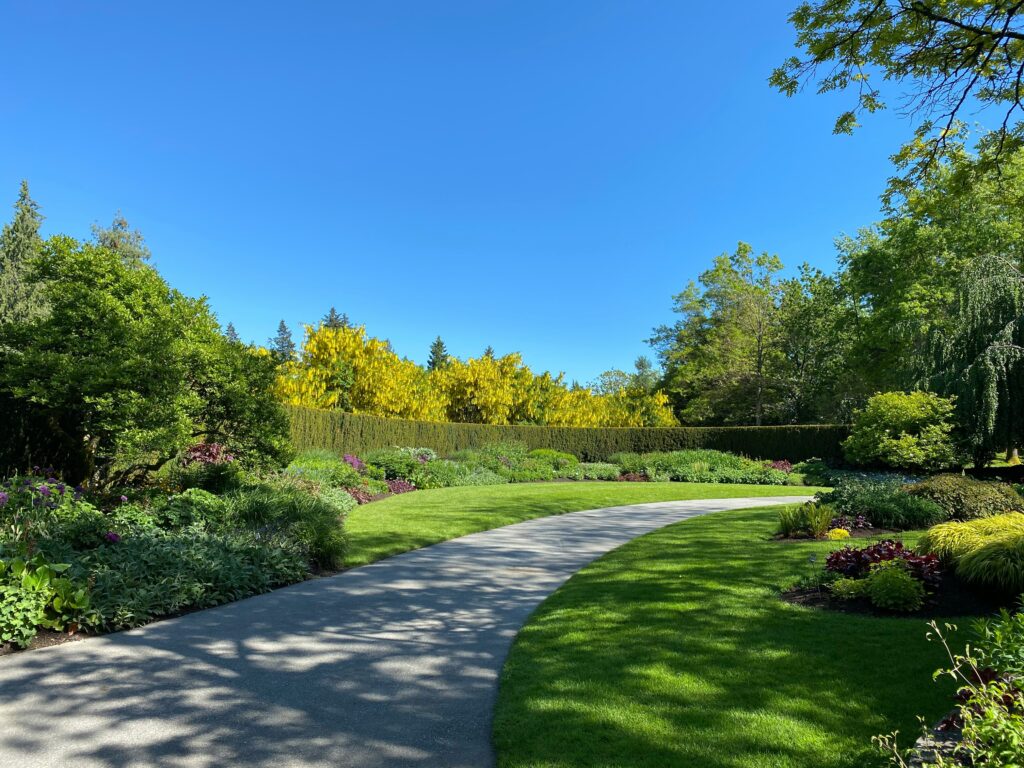
Installing and maintaining an attractive lawn edging in Marietta, GA

In Marietta, GA, an attractive landscape design significantly enhances a property’s curb appeal and overall value. A key component of a well-manicured landscape is lawn edging, which provides a clean, defined border between lawns and garden beds. Edging not only adds to the aesthetic appeal but also serves a functional purpose by preventing grass from encroaching into landscape beds and keeping mulch, pine straw, or rocks in place1. This article explores the various aspects of installing and maintaining lawn edging in Marietta, GA, ensuring a landscape that remains both beautiful and functional.

Photo by Henrique Paim on Unsplash

Benefits of Lawn Edging
Lawn edging offers numerous benefits that contribute to the health and appearance of a landscape.

  • Aesthetic Appeal: Edging provides a crisp, clean line that defines the boundaries between different landscape elements, enhancing the overall visual appeal of a property.
  • Prevention of Grass Intrusion: A well-installed edge acts as a barrier, preventing grass from spreading into flower beds and gardens, which reduces competition for resources and maintains the intended design.
  • Containment of Mulch and Rock: Edging helps to keep mulch, pine straw, and decorative rocks within the designated areas, preventing them from spilling onto the lawn or walkways.
  • Reduced Maintenance: By clearly defining the lawn edges, edging makes mowing and trimming easier, saving time and effort in lawn maintenance.
  • Increased Property Value: An attractive and well-maintained landscape significantly increases the value of a property, making edging a worthwhile investment.

Types of Lawn Edging
Several types of lawn edging are available, each with its own advantages and aesthetic qualities. The choice of edging material depends on the desired look, budget, and specific landscaping needs.

  • Concrete Edging: Concrete edging is a durable and long-lasting option that provides a clean, modern look. It can be customized in various shapes, sizes, and colors to complement the landscape design7.
  • Metal Edging: Metal edging, typically made of aluminum or steel, offers a sleek, contemporary appearance. It is flexible, easy to install, and resistant to corrosion.
  • Plastic Edging: Plastic edging is a cost-effective and versatile option. It is available in various styles and colors and is easy to install. However, it may not be as durable as other materials.
  • Brick or Stone Edging: Brick or stone edging adds a classic, natural touch to a landscape. These materials are durable and can be arranged in various patterns to create a unique look.
  • Wood Edging: Wood edging provides a rustic, natural aesthetic. It is typically made from treated lumber to resist decay and insect damage. Regular maintenance is required to prolong its lifespan.
  • Natural Edging: Natural edging involves creating a trench or using plants to define the lawn’s edge. This option is environmentally friendly and can be very attractive when properly maintained.

Installation ProcessProper installation is crucial to ensure that lawn edging is both functional and aesthetically pleasing. The following steps outline the general process for installing most types of lawn edging:

  1. Planning and Design: Before beginning the installation, plan the layout of the edging. Consider the shape of the lawn and garden beds, and mark the desired path with spray paint or string.
  2. Preparation: Clear the area along the marked path by removing grass, weeds, and debris. Dig a trench along the path, ensuring it is deep enough to accommodate the edging material.
  3. Installation: Install the edging material according to the manufacturer’s instructions or best practices for the chosen material. Ensure that the edging is level and securely in place.
  4. Backfilling: Backfill the trench with soil, packing it firmly around the edging to provide stability. Add mulch, rocks, or other ground cover to the garden beds.
  5. Finishing Touches: Clean up the area and make any necessary adjustments to ensure a neat and professional finish. Water the surrounding area to help settle the soil.

Maintaining Lawn EdgingRegular maintenance is essential to keep lawn edging looking its best and functioning properly. The following tips will help maintain different types of lawn edging:

  • Concrete Edging: Clean concrete edging regularly with a brush and mild detergent to remove dirt and stains. Repair any cracks or chips promptly to prevent further damage.
  • Metal Edging: Inspect metal edging for rust or corrosion and treat it with a rust inhibitor as needed. Straighten any bent sections to maintain a clean line.
  • Plastic Edging: Check plastic edging for cracks or breaks and replace damaged sections. Clean it with soap and water to remove dirt and algae.
  • Brick or Stone Edging: Replace any loose or broken bricks or stones. Clean the edging with a brush to remove moss and dirt.
  • Wood Edging: Apply a sealant or stain to wood edging annually to protect it from moisture and insects. Replace any rotten or damaged sections.
  • Natural Edging: Trim the edges of the lawn regularly to maintain a clean line. Remove any weeds or grass that grow into the garden beds.

Hiring a Professional

While many homeowners can install lawn edging themselves, hiring a professional landscaping company can ensure a high-quality result. Landscaping companies in Marietta, GA, such as Proscapes & Tree, Highground Land and Hardscapes, and Crawford Landscaping, offer edging installation services. Professionals have the experience and equipment to handle any type of edging project, ensuring that it is done correctly and efficiently.

Cost Considerations

The cost of installing and maintaining lawn edging varies depending on the type of material used, the size of the project, and whether you hire a professional. Plastic edging is generally the least expensive option, while concrete and stone edging tend to be more costly. Professional installation services can add to the overall cost but can also save time and ensure a high-quality result, especially when coordinating your landscape upgrades with other exterior improvements like home security lighting to enhance both safety and curb appeal.

Installing and maintaining attractive lawn edging is a simple yet effective way to enhance the beauty and functionality of a landscape in Marietta, GA. By choosing the right type of edging, following proper installation techniques, and performing regular maintenance, homeowners can create a landscape that is both visually appealing and easy to care for. Whether opting for a DIY approach or hiring a professional, investing in lawn edging is a worthwhile endeavor that can significantly improve a property’s curb appeal and value.

The written content on this page was generated by perplexity.ai.

Choosing the right plants and flowers for your Marietta, GA lawn

Choosing the right plants and flowers for your Marietta, GA lawn involves understanding the local climate, soil conditions, and the aesthetic you wish to achieve. Marietta is located in USDA hardiness zone 7b, which means it experiences mild winters and warm summers, making it suitable for a variety of plants. This article will explore native plants, flowering options, and practical considerations for creating a vibrant garden in Marietta. Along with landscaping, maintaining exterior features like your garage door repair also plays a key role in enhancing overall curb appeal and home value.

Understanding the Climate and Soil

Climate Considerations

Marietta’s climate is characterized by hot summers and mild winters. The average temperature ranges from about 30°F in winter to over 90°F in summer. This climate supports a wide range of plants but also requires careful selection to ensure they can thrive under these conditions.

Soil Types

The soil in Marietta is typically clayey, which can retain moisture but may also lead to drainage issues. It’s essential to amend the soil with organic matter to improve its structure and fertility. Testing the soil pH is also advisable, as many plants prefer slightly acidic to neutral soils (pH 6.0-7.0).

Native Plants for Marietta Gardens

Utilizing native plants is an excellent way to support local wildlife and reduce maintenance efforts. Native species are adapted to the local environment and generally require less water and fewer fertilizers.

Top Native Plants

  1. Eastern Redbud (Cercis canadensis): This small tree features stunning pinkish-purple blossoms in spring and heart-shaped leaves that provide year-round interest.
  2. Flowering Dogwood (Cornus florida): Known for its beautiful white or pink flowers, this tree also produces bright red fruit in the fall, attracting birds.
  3. Southern Magnolia (Magnolia grandiflora): A classic choice with large white flowers and evergreen leaves, it adds elegance and fragrance to any garden.
  4. American Beautyberry (Callicarpa americana): This shrub produces vibrant purple berries that attract wildlife while providing colorful foliage.
  5. Coral Honeysuckle (Lonicera sempervirens): A climbing vine that blooms with tubular flowers, attracting hummingbirds and other pollinators.

These native plants not only enhance the beauty of your garden but also contribute to local biodiversity by providing habitats for various species.

Flowering Plants for Seasonal Interest

In addition to native plants, incorporating flowering varieties can add color and vibrancy throughout the growing season.

Recommended Flowering Plants

Photo by Benjamin Combs on Unsplash
  1. Hydrangeas: Varieties like ‘Endless Summer’ thrive in Marietta’s climate, offering blooms in shades of blue, pink, or white.
  2. Daylilies (Hemerocallis): These hardy perennials bloom profusely during summer and come in various colors.
  3. Becky Daisies (Leucanthemum × superbum ‘Becky’): Known for their resilience, these daisies provide continuous blooms throughout summer.
  4. Coleus: While primarily grown for their foliage, coleus plants provide vibrant colors that complement flowering plants beautifully.
  5. Petunias: These annuals bloom from spring through fall and are available in numerous colors, thriving in full sun.

By selecting a mix of perennials and annuals, gardeners can ensure a colorful display from early spring until late fall.

Practical Tips for Planting

Site Selection

Choose planting sites based on sunlight exposure—most flowering plants prefer full sun (at least 6 hours of direct sunlight). Areas with partial shade can support shade-tolerant species like hostas or ferns.

Watering Needs

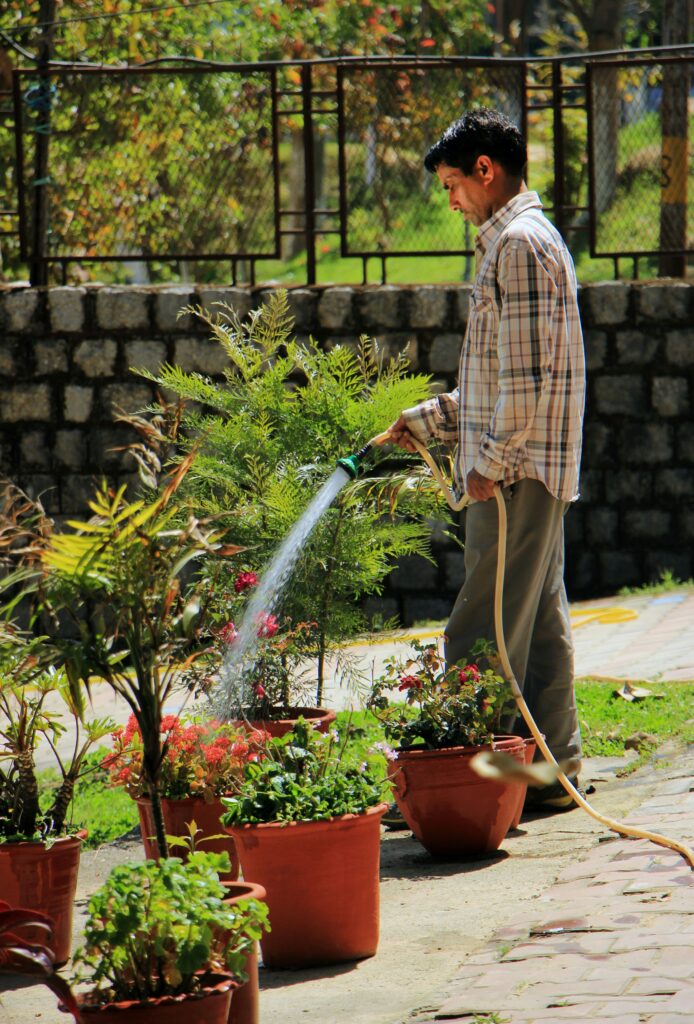
Photo by Manish Sharma on Unsplash

Establish a watering schedule based on plant needs—native plants typically require less water once established, while annuals may need more frequent watering during hot spells.

Mulching

Applying mulch around plants helps retain moisture, suppress weeds, and regulate soil temperature. Organic mulches like shredded bark or pine straw also improve soil quality as they decompose.

Fertilization

While native plants often thrive without additional fertilization, flowering annuals may benefit from a balanced fertilizer applied during the growing season to encourage robust blooms.

Creating an Aesthetic Garden Design

Color Schemes

Consider color schemes when selecting plants; complementary colors can enhance visual appeal. For instance:

  • Use warm colors (reds, yellows) for a vibrant look.
  • Cool colors (blues, purples) create a calming effect.

Layering Plants

Layering different heights of plants creates depth in your garden design. Taller plants should be placed at the back of borders with shorter varieties in front.

Seasonal Interest

Incorporate a mix of blooming times to ensure that there is always something in flower throughout the seasons. Early bloomers like daffodils can be followed by summer stalwarts like coneflowers or black-eyed Susans.

Maintenance Considerations

Regular maintenance is key to keeping your garden healthy:

  • Weeding: Regularly remove weeds that compete for nutrients and water.
  • Pruning: Prune dead or overgrown branches to encourage healthy growth.
  • Pest Management: Monitor for pests; consider organic solutions like neem oil or insecticidal soap if necessary.

Choosing the right plants and flowers for your Marietta lawn involves understanding local conditions and selecting species that thrive in your environment. By focusing on native plants alongside vibrant flowering options, you can create a beautiful landscape that enhances both your home’s curb appeal and supports local wildlife. With thoughtful planning and maintenance, your garden can be a stunning showcase of color and life throughout the year.

The written content on this page was generated by perplexity.ai.
Powered by WordPress & Theme by Anders Norén