
A beautiful lawn doesn’t happen by accident—it takes consistent care throughout the year. In Marietta, GA, where warm summers, mild winters, and occasional drought conditions influence grass growth, following a seasonal lawn care schedule is one of the best ways to maintain a lush, green yard. Rather than treating lawn maintenance as a once-in-a-while chore, homeowners who adjust their lawn care routine according to the season often enjoy healthier grass, fewer weeds, and greater curb appeal.
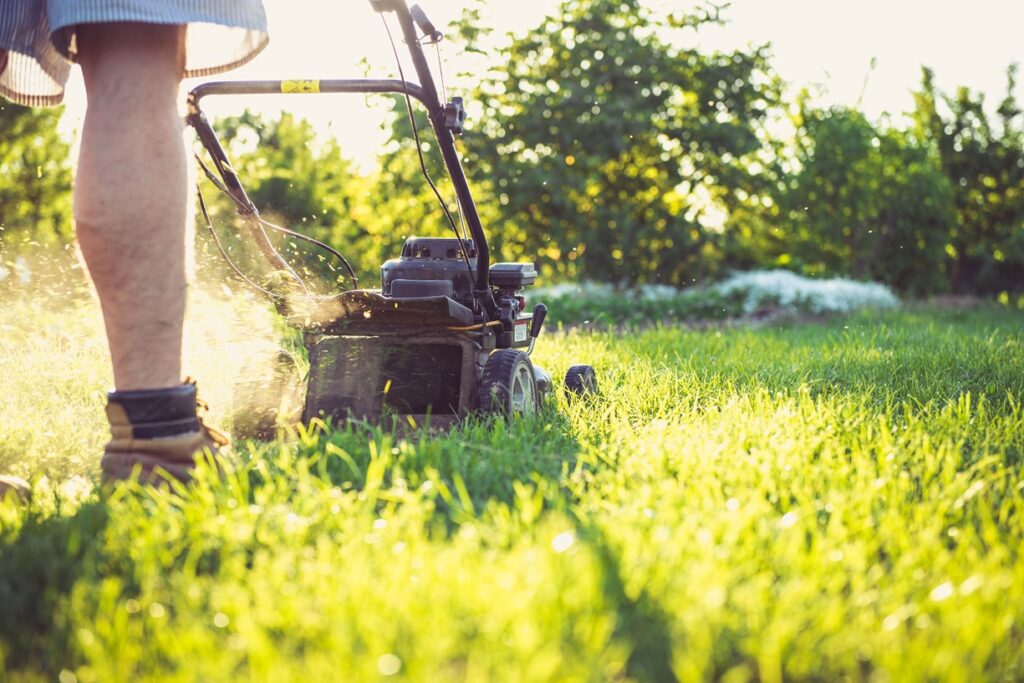
Whether you’re maintaining a Bermuda, Zoysia, Fescue, or Centipede lawn, understanding what your grass needs during each season makes all the difference. Every season presents unique opportunities and challenges, from encouraging new growth in spring to preparing your lawn for dormancy during winter.
Here’s a comprehensive seasonal lawn care checklist designed specifically for homeowners in Marietta, GA.
Spring: Wake Your Lawn Up the Right Way
Spring is one of the most important seasons for lawn care because your grass is emerging from winter dormancy. Proper maintenance during this period sets the stage for healthy growth throughout the rest of the year.
Inspect Your Lawn
Start by walking around your property and inspecting your lawn for:
- Bare or thin patches
- Winter damage
- Compacted soil
- Excessive thatch buildup
- Signs of fungal disease
- Early weed growth
Identifying problems early allows you to address them before they become expensive repairs.
Clean Up Debris
Remove fallen branches, leaves, and other debris that accumulated during winter. Clearing your lawn allows sunlight, air, and moisture to reach the soil more effectively while reducing the risk of mold and disease.
Apply Pre-Emergent Weed Control
Spring is the ideal time to prevent weeds before they sprout. Applying a pre-emergent herbicide can help stop crabgrass and many annual weeds from taking over your lawn.
Preventing weeds is far easier than trying to eliminate them once they’ve matured.
Begin Mowing Carefully
Your first mow of the season should remove only a small portion of the grass blade. Never cut more than one-third of the grass height during a single mowing session.
Sharp mower blades create cleaner cuts, reducing stress on your lawn.
Fertilize When Appropriate
Warm-season grasses like Bermuda and Zoysia should only be fertilized after they begin actively growing. Applying fertilizer too early can encourage weed growth instead of strengthening your lawn.
A balanced fertilizer helps promote healthy roots and vibrant green grass.
Summer: Protect Your Lawn During Heat and Drought
Marietta summers often bring high temperatures and periods of limited rainfall. During this season, your primary goal is reducing stress on your lawn.
Water Deeply Instead of Frequently
One of the biggest mistakes homeowners make is watering every day for only a few minutes.
Instead:
- Water deeply
- Water early in the morning
- Aim for approximately one inch of water per week
- Adjust irrigation based on rainfall
Deep watering encourages roots to grow farther into the soil, making your lawn more drought-resistant.
Raise Your Mowing Height
Longer grass shades the soil, helping retain moisture while reducing weed growth.
Avoid mowing during the hottest part of the day, and never scalp your lawn.
Watch for Lawn Pests
Summer is prime season for insects such as:
- Grubs
- Armyworms
- Chinch bugs
- Sod webworms
Signs of pest damage include:
- Brown patches
- Grass that pulls up easily
- Increased bird activity
- Thin or dying turf
Early treatment can prevent widespread lawn damage.
Monitor for Lawn Diseases
Warm temperatures combined with humidity create favorable conditions for fungal diseases.
Watch for:
- Brown patch
- Dollar spot
- Rust
- Leaf spot
Proper watering practices and adequate airflow help reduce disease risks.
Limit Lawn Stress
Avoid heavy foot traffic on dry or stressed grass whenever possible.
If your lawn begins showing signs of drought stress, postpone unnecessary maintenance until temperatures moderate.
Fall: Repair and Strengthen Your Lawn
Many homeowners assume lawn care ends after summer, but fall is actually one of the best times to improve your lawn.
The cooler temperatures reduce stress while allowing roots to continue growing.
Aerate Compacted Soil
Over time, soil becomes compacted from foot traffic, mowing equipment, and rainfall.
Core aeration helps:
- Improve oxygen circulation
- Increase water absorption
- Enhance nutrient penetration
- Promote deeper root systems
Lawns that receive regular aeration often recover faster from drought and heavy use.
Overseed Thin Areas
If your lawn has bare patches or thinning grass, fall is an excellent time to overseed.
Cooler temperatures and increased soil moisture improve seed germination.
Overseeding helps create a fuller, healthier lawn while reducing opportunities for weeds to establish.
Continue Proper Mowing
Grass continues growing during much of the fall.
Maintain your mowing schedule while gradually lowering the cutting height toward the end of the season.
Avoid removing excessive grass during the final mow before winter.
Fertilize for Root Development
Fall fertilization helps strengthen root systems before winter dormancy.
Healthy roots allow your lawn to green up more quickly once spring arrives.
Remove Fallen Leaves
Leaves left on your lawn block sunlight, trap moisture, and encourage fungal growth.
Regular leaf removal keeps your grass healthy while improving your property’s appearance.
Winter: Prepare Your Lawn for Next Year
Although grass growth slows dramatically during winter, lawn care shouldn’t stop completely.
Winter is about protection rather than active growth.
Avoid Heavy Traffic
Dormant grass is more susceptible to damage from repeated foot traffic.
Try to avoid creating worn paths across your lawn during wet or frosty conditions.
Keep the Lawn Clear
Continue removing:
- Leaves
- Twigs
- Storm debris
- Pine needles
Keeping the lawn clean reduces moisture buildup and minimizes disease risks.
Maintain Lawn Equipment
Winter is the perfect time to prepare your equipment for the next growing season.
Consider:
- Sharpening mower blades
- Changing oil
- Replacing spark plugs
- Cleaning mower decks
- Servicing lawn equipment
Properly maintained equipment provides cleaner cuts and extends machinery life.
Plan Next Year’s Improvements
Use the slower season to evaluate your lawn’s performance.
Ask yourself:
- Which areas struggled during summer?
- Where did weeds become a problem?
- Did drainage issues develop?
- Should irrigation be upgraded?
- Are landscaping improvements needed?
Planning ahead helps you tackle improvements before spring arrives.
Grass Types Common in Marietta, GA
Different grass varieties require slightly different seasonal care.
Bermuda Grass
- Thrives in full sun
- Highly drought tolerant
- Grows rapidly during summer
- Requires frequent mowing
- Benefits from late spring fertilization
Zoysia Grass
- Dense growth habit
- Excellent wear resistance
- Moderate drought tolerance
- Slow spring green-up
- Performs well in Georgia’s climate
Tall Fescue
- Popular for shaded areas
- Cool-season grass
- Requires more watering during summer
- Benefits greatly from fall overseeding
Centipede Grass
- Low maintenance
- Slow-growing
- Requires less fertilizer
- Prefers acidic soil
- Performs best with minimal disturbance
Understanding your grass type ensures you’re providing the right care at the right time.
Common Lawn Care Mistakes to Avoid
Even well-intentioned homeowners sometimes make mistakes that harm their lawns.
Some of the most common include:
Overwatering
Too much water encourages shallow roots, fungal diseases, and nutrient runoff.
Mowing Too Short
Scalping weakens grass and creates opportunities for weeds to invade.
Using Dull Mower Blades
Dull blades tear grass instead of cutting it cleanly, increasing disease susceptibility.
Fertilizing at the Wrong Time
Applying fertilizer outside your grass’s active growing season reduces effectiveness and may increase weed growth.
Ignoring Soil Health
Healthy grass starts with healthy soil.
Regular soil testing helps determine nutrient deficiencies and pH imbalances before they become serious problems.
Why Consistency Matters
One weekend of lawn care won’t produce a picture-perfect yard.
Healthy lawns develop through consistent maintenance over months and years.
Following a seasonal checklist helps homeowners:
- Prevent costly repairs
- Reduce weed infestations
- Improve drought tolerance
- Encourage stronger root growth
- Increase property value
- Enhance curb appeal
- Create a safer outdoor space for family activities
Small efforts performed consistently often produce better results than occasional intensive maintenance.
When to Call a Lawn Care Professional
While many lawn care tasks can be completed independently, certain situations may require professional expertise.
Consider hiring lawn care professionals if you experience:
- Persistent brown patches
- Recurring weeds
- Lawn diseases
- Severe insect infestations
- Drainage problems
- Soil compaction
- Large bare areas
- Irrigation issues
Professionals can accurately diagnose lawn problems and recommend treatments tailored to your property’s specific conditions.
Routine professional maintenance also saves homeowners time while ensuring lawns receive expert care throughout every season.
Enjoy a Beautiful Lawn All Year Long
Maintaining a healthy lawn in Marietta, GA, isn’t about working harder—it’s about working smarter throughout the year. By adjusting your lawn care routine to match each season, you give your grass exactly what it needs when it needs it most. From spring weed prevention and summer watering to fall aeration and winter preparation, every task contributes to a greener, stronger, and more attractive landscape.
A well-maintained lawn not only boosts curb appeal but also creates a welcoming outdoor environment for family gatherings, playtime, and relaxation. Whether you enjoy caring for your lawn yourself or partner with a professional lawn care company, staying consistent with seasonal maintenance is the key to long-term success.