How to have a healthy lawn and add curb appeal to your home in Marietta, GA

Tag: Marietta GA

The Role of Soil Health in Preventing Lawn Pests and Diseases in Marietta, GA

In the leafy suburbs of Marietta, Georgia—just northwest of Atlanta—homeowners cherish their emerald-green lawns as badges of pride. Picture this: a sprawling yard in East Cobb, perfect for weekend barbecues or kids’ soccer games. But lurking beneath that lush turf? A battlefield where pests like chinch bugs and diseases such as brown patch wage war. The secret weapon? Soil health. Far from just dirt, healthy soil acts like a fortress, repelling invaders naturally. In Marietta’s humid subtropical climate, with its red clay soils and fickle rains, prioritizing soil health isn’t optional—it’s essential for pest-free lawns.
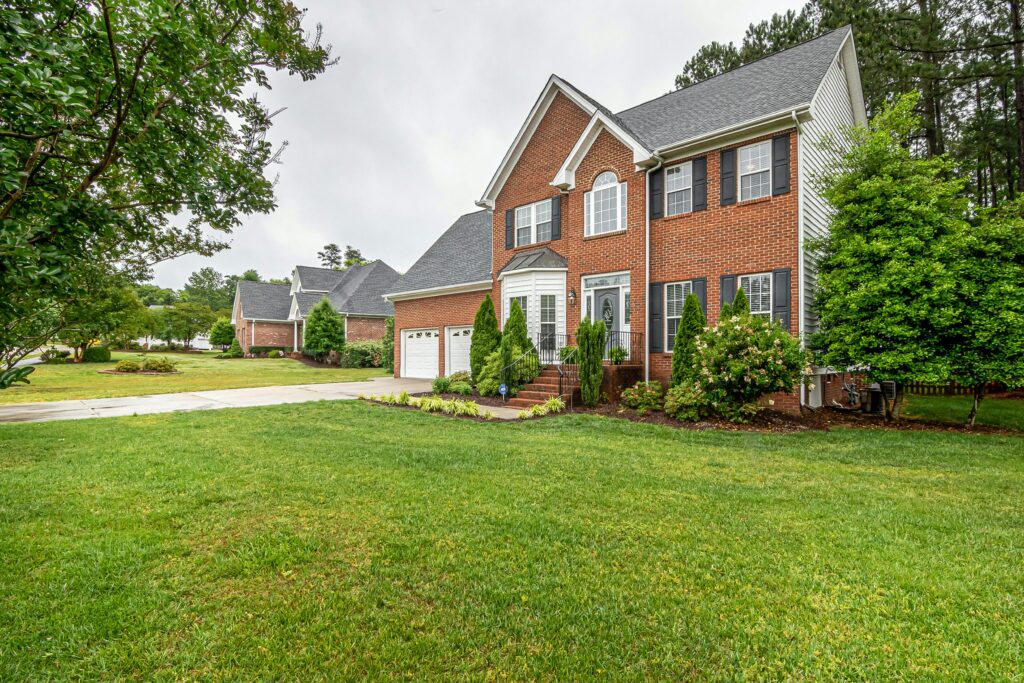
Photo by Curtis Adams from Pexels

Marietta’s unique environment amplifies these challenges. Cobb County’s soils are predominantly Ultisols—acidic, clay-heavy mixes low in organic matter. Summers bring scorching heat (often 90°F+), heavy downpours from thunderstorms, and high humidity that fungi adore. Winters dip mild but wet, fostering root rot. Add in urban sprawl’s chemical fertilizers and pesticides, and you’ve got a recipe for imbalance. Poor soil invites grubs that chew roots, armyworms marching across blades, and dollar spot fungus turning grass yellow. But thriving soil? It builds resilient grass with deep roots, natural defenses, and microbial allies that outcompete pests.

Why Soil Health Matters More Than You Think

Healthy soil isn’t sterile; it’s a buzzing ecosystem. Think of it as your lawn’s immune system. Beneficial microbes—bacteria, fungi, nematodes—break down organics, cycle nutrients, and produce antibiotics that suppress pathogens. Earthworms aerate, improving oxygen flow to roots. Mycorrhizal fungi form symbiotic networks, trading phosphorus for sugars while warding off invaders.

In contrast, degraded soil is a pest magnet. Compacted clay in Marietta yards (from construction or foot traffic) starves roots of air and water, stressing turfgrasses like bermudagrass or tall fescue common here. Stressed plants leak sugars, attracting chinch bugs that suck sap and inject toxins, leaving straw-like patches. Diseases thrive too: Take brown patch (Rhizoctonia solani), which loves soggy, nitrogen-rich soils. A University of Georgia (UGA) study found lawns with over 5% organic matter resisted it 40% better than depleted ones.

Local data drives this home. Cobb County Extension reports rising pest calls—grub damage up 25% since 2020, linked to drought-stressed soils. Yet, yards with compost-amended soil show fewer issues. Soil health flips the script from reactive spraying to proactive prevention, saving Marietta homeowners time and money.

Key Pillars of Soil Health for Marietta Lawns

Building soil health starts with understanding your yard’s baseline. Get a soil test from UGA’s lab ($9 online)—it reveals pH (ideal 6.0-7.0 for most turf), nutrients, and texture. Marietta’s clay often skews acidic (pH 5.0-6.0), so lime might be needed.

Organic Matter: The Foundation
Aim for 3-5% organic matter. Compost or aged manure worked into the top 4-6 inches feeds microbes without burning roots. Example: In Marietta’s Laurel Park neighborhood, resident Tom Reilly topdressed his fescue lawn with 1/4-inch compost annually. Result? No chinch bugs in three years, versus neighbors battling them yearly. Organics improve water retention—crucial during Georgia’s summer droughts—reducing stress that invites sod webworms.

Microbial Diversity: Your Invisible Army
Chemicals kill good guys alongside bad. Boost populations with mycorrhizal inoculants or compost teas. These microbes solubilize nutrients, making iron available to fend off chlorosis (yellowing from take-all patch). A 2023 UGA trial in nearby Kennesaw showed inoculated bermuda plots had 60% less dollar spot.

pH Balance and Nutrient Cycling
Marietta’s iron-rich clays lock up phosphorus if pH dips low. Balanced soil ensures steady potassium uptake, strengthening cell walls against fungal penetration. Avoid excess nitrogen; it promotes lush top growth at root expense, welcoming Pythium blight in wet springs.

Structure and Drainage: Beating Clay Blues
Compaction is enemy number one. Aerate annually (core method, spring or fall) to relieve pressure. Add gypsum to flocculate clay particles, improving drainage without altering pH. Picture roots plunging 12 inches deep in friable soil versus suffocating at 3 inches—deeper roots dodge surface pests like billbugs.

Common Pests and Diseases—and How Soil Thwarts Them

Marietta lawns face a rogue’s gallery, but healthy soil disrupts their life cycles.

  • Chinch Bugs: These vampires thrive in thin, sunny turf on nutrient-poor soil. Healthy soil grows dense, vigorous grass that shades soil, starving eggs. A study by Clemson University (relevant to Southern climates) noted 70% fewer bugs in high-organic plots.
  • Grubs (White Grub Complex): Larvae of June beetles devour roots in moist, organic-poor soil. Robust microbial activity and nematodes prey on them naturally. Marietta’s fall aeration timing disrupts egg-laying.
  • Brown Patch and Dollar Spot: Fungi explode in high-nitrogen, low-calcium soils. Calcium from gypsum bolsters grass defenses; organics foster competitor bacteria. UGA data: Soil pH 6.5+ cuts brown patch by half.
  • Take-All Root Rot: Acid-loving Gaeumannomyces fungus hits St. Augustine grass. Raising pH to 6.5 and adding organics suppresses it—local landscapers swear by this combo.

Real story: Marietta’s Bill Harper, a retired engineer, transformed his pest-riddled zoysia lawn. Soil test showed pH 5.2 and 1% organics. He amended with compost, lime, and biochar (carbon-rich amendment that holds water and microbes). Two seasons later: zero treatments needed, plus 30% less watering.

Practical Steps: Your Marietta Soil Health Action Plan

Ready to fortify? Follow this seasonal roadmap.

  1. Spring (March-May): Test soil. Aerate if compaction exceeds 1 inch penetration with a screwdriver. Topdress with 1/4-inch compost. Overseed thin spots with disease-resistant varieties like Tifway 419 bermuda.
  2. Summer (June-August): Mow high (3-4 inches) to shade soil and reduce weed competition. Water deeply (1 inch/week) infrequently to encourage deep roots. Apply compost tea monthly for microbes.
  3. Fall (September-November): Core aerate again. Incorporate leaf mold or pine straw mulch (local abundance!). Seed fescue for cool-season cover.
  4. Winter (December-February): Minimal intervention—let dormancy recharge. Monitor for mole activity (grub sign) but trust soil biology.

Tools for success: A broadfork for no-till aeration, rain gauge for precise watering, and apps like UGA’s Pest ID Scout. Budget $50-100/year per 5,000 sq ft—cheaper than pest control ($200+ per treatment).

Advanced tip: Cover cropping. Sow crimson clover in fall; it fixes nitrogen and suppresses weeds, mimicking natural prairies that pests avoid.

Beyond Prevention: The Bigger Wins

Healthy soil doesn’t just block pests—it enhances everything. Expect greener color, drought tolerance (vital amid Georgia’s erratic rains), and lower bills. Environmentally, it cuts runoff into the Chattahoochee River, protecting Marietta’s waterways. Plus, pollinators flock to resilient yards.

Challenges persist: New subdivisions arrive with scraped-topsoil lots. Solution? Demand soil restoration from builders. Community efforts like Cobb’s Master Gardener program offer free clinics.

In Marietta, soil health is revolutionizing lawns—from pest-plagued eyesores to thriving oases. As climate shifts bring wetter hurricanes and hotter droughts, this approach future-proofs your turf. Start small: Test your soil today. Your grass—and the bugs it repels—will thank you.
Installing and maintaining an attractive lawn edging in Marietta, GA

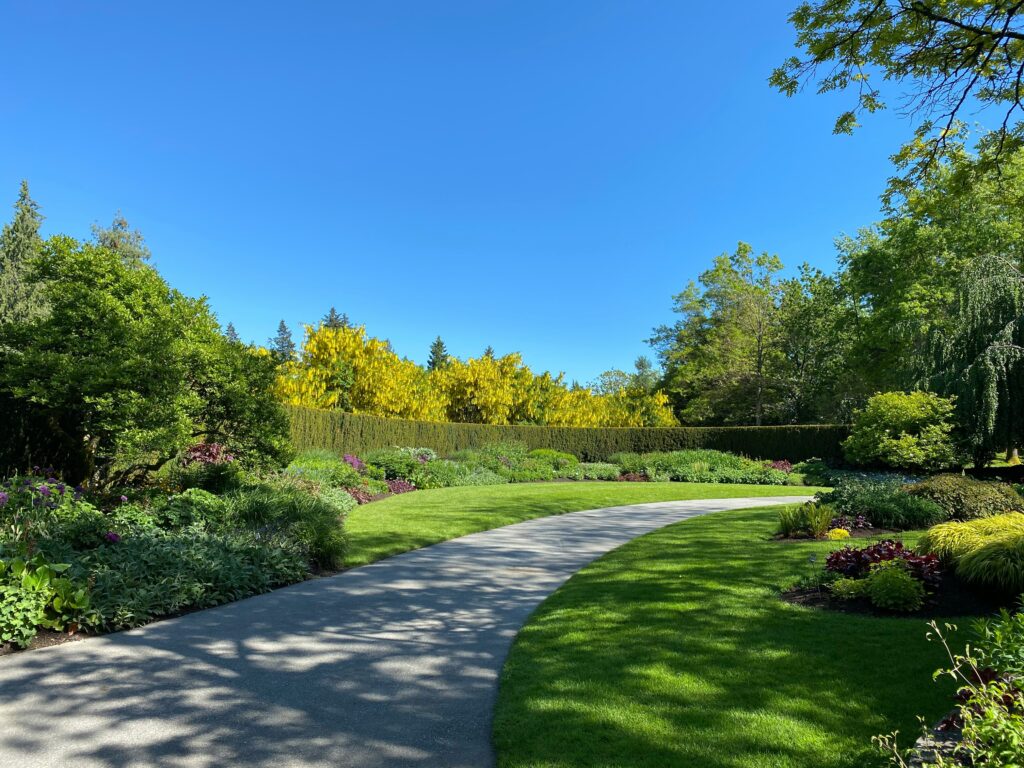
In Marietta, GA, an attractive landscape design significantly enhances a property’s curb appeal and overall value. A key component of a well-manicured landscape is lawn edging, which provides a clean, defined border between lawns and garden beds. Edging not only adds to the aesthetic appeal but also serves a functional purpose by preventing grass from encroaching into landscape beds and keeping mulch, pine straw, or rocks in place1. This article explores the various aspects of installing and maintaining lawn edging in Marietta, GA, ensuring a landscape that remains both beautiful and functional.

Photo by Henrique Paim on Unsplash

Benefits of Lawn Edging
Lawn edging offers numerous benefits that contribute to the health and appearance of a landscape.

  • Aesthetic Appeal: Edging provides a crisp, clean line that defines the boundaries between different landscape elements, enhancing the overall visual appeal of a property.
  • Prevention of Grass Intrusion: A well-installed edge acts as a barrier, preventing grass from spreading into flower beds and gardens, which reduces competition for resources and maintains the intended design.
  • Containment of Mulch and Rock: Edging helps to keep mulch, pine straw, and decorative rocks within the designated areas, preventing them from spilling onto the lawn or walkways.
  • Reduced Maintenance: By clearly defining the lawn edges, edging makes mowing and trimming easier, saving time and effort in lawn maintenance.
  • Increased Property Value: An attractive and well-maintained landscape significantly increases the value of a property, making edging a worthwhile investment.

Types of Lawn Edging
Several types of lawn edging are available, each with its own advantages and aesthetic qualities. The choice of edging material depends on the desired look, budget, and specific landscaping needs.

  • Concrete Edging: Concrete edging is a durable and long-lasting option that provides a clean, modern look. It can be customized in various shapes, sizes, and colors to complement the landscape design7.
  • Metal Edging: Metal edging, typically made of aluminum or steel, offers a sleek, contemporary appearance. It is flexible, easy to install, and resistant to corrosion.
  • Plastic Edging: Plastic edging is a cost-effective and versatile option. It is available in various styles and colors and is easy to install. However, it may not be as durable as other materials.
  • Brick or Stone Edging: Brick or stone edging adds a classic, natural touch to a landscape. These materials are durable and can be arranged in various patterns to create a unique look.
  • Wood Edging: Wood edging provides a rustic, natural aesthetic. It is typically made from treated lumber to resist decay and insect damage. Regular maintenance is required to prolong its lifespan.
  • Natural Edging: Natural edging involves creating a trench or using plants to define the lawn’s edge. This option is environmentally friendly and can be very attractive when properly maintained.

Installation ProcessProper installation is crucial to ensure that lawn edging is both functional and aesthetically pleasing. The following steps outline the general process for installing most types of lawn edging:

  1. Planning and Design: Before beginning the installation, plan the layout of the edging. Consider the shape of the lawn and garden beds, and mark the desired path with spray paint or string.
  2. Preparation: Clear the area along the marked path by removing grass, weeds, and debris. Dig a trench along the path, ensuring it is deep enough to accommodate the edging material.
  3. Installation: Install the edging material according to the manufacturer’s instructions or best practices for the chosen material. Ensure that the edging is level and securely in place.
  4. Backfilling: Backfill the trench with soil, packing it firmly around the edging to provide stability. Add mulch, rocks, or other ground cover to the garden beds.
  5. Finishing Touches: Clean up the area and make any necessary adjustments to ensure a neat and professional finish. Water the surrounding area to help settle the soil.

Maintaining Lawn EdgingRegular maintenance is essential to keep lawn edging looking its best and functioning properly. The following tips will help maintain different types of lawn edging:

  • Concrete Edging: Clean concrete edging regularly with a brush and mild detergent to remove dirt and stains. Repair any cracks or chips promptly to prevent further damage.
  • Metal Edging: Inspect metal edging for rust or corrosion and treat it with a rust inhibitor as needed. Straighten any bent sections to maintain a clean line.
  • Plastic Edging: Check plastic edging for cracks or breaks and replace damaged sections. Clean it with soap and water to remove dirt and algae.
  • Brick or Stone Edging: Replace any loose or broken bricks or stones. Clean the edging with a brush to remove moss and dirt.
  • Wood Edging: Apply a sealant or stain to wood edging annually to protect it from moisture and insects. Replace any rotten or damaged sections.
  • Natural Edging: Trim the edges of the lawn regularly to maintain a clean line. Remove any weeds or grass that grow into the garden beds.

Hiring a Professional

While many homeowners can install lawn edging themselves, hiring a professional landscaping company can ensure a high-quality result. Landscaping companies in Marietta, GA, such as Proscapes & Tree, Highground Land and Hardscapes, and Crawford Landscaping, offer edging installation services. Professionals have the experience and equipment to handle any type of edging project, ensuring that it is done correctly and efficiently.

Cost Considerations

The cost of installing and maintaining lawn edging varies depending on the type of material used, the size of the project, and whether you hire a professional. Plastic edging is generally the least expensive option, while concrete and stone edging tend to be more costly. Professional installation services can add to the overall cost but can also save time and ensure a high-quality result, especially when coordinating your landscape upgrades with other exterior improvements like home security lighting to enhance both safety and curb appeal.

Installing and maintaining attractive lawn edging is a simple yet effective way to enhance the beauty and functionality of a landscape in Marietta, GA. By choosing the right type of edging, following proper installation techniques, and performing regular maintenance, homeowners can create a landscape that is both visually appealing and easy to care for. Whether opting for a DIY approach or hiring a professional, investing in lawn edging is a worthwhile endeavor that can significantly improve a property’s curb appeal and value.

The written content on this page was generated by perplexity.ai.

Strategies for maintaining a weed-free driveway and walkway in Marietta, GA

Maintaining a weed-free driveway and walkway is essential for enhancing the curb appeal of your home, especially in Marietta, GA, where the warm climate can promote rapid weed growth. This article outlines effective strategies to keep your outdoor spaces clean and attractive.

Photo by Zachary Keimig on Unsplash

Understanding the Weed Problem

Weeds are resilient plants that can thrive in various conditions, often taking root in the cracks of driveways and walkways. In Marietta, common weeds include crabgrass, dandelions, and clover. The local climate, characterized by warm summers and mild winters, provides an ideal environment for these unwanted plants to flourish.

1. Preventive Measures

Mulching:
Applying mulch around your driveway and walkway can significantly reduce weed growth. Organic mulches like wood chips or pine straw not only suppress weeds but also enrich the soil as they decompose.Landscape Fabric:
Installing landscape fabric beneath gravel or mulch can create a barrier that prevents weeds from reaching the surface. Ensure that the fabric is laid flat and overlaps at the seams to block light effectively.Edging:
Using physical barriers such as metal or plastic edging can help define your driveway and walkway while preventing grass and weeds from encroaching. This method is particularly effective in maintaining clean lines between your landscape beds and hardscapes.

2. Chemical Treatments

Pre-emergent Herbicides:
Applying pre-emergent herbicides like Surflan (oryzalin) or Barricade (prodiamine) can prevent weed seeds from germinating. These products should be applied early in the season before weeds start to grow2.

Post-emergent Herbicides:
For existing weeds, post-emergent herbicides such as glyphosate can be effective. However, caution should be exercised to avoid harming desirable plants. Always follow label instructions for safe application.

3. Manual Removal Techniques

Hand Weeding:
Regularly inspecting your driveway and walkway for weeds and pulling them out by hand is an effective method, especially for small infestations. It’s best to remove weeds after a rain when the soil is moist, making it easier to uproot them completely.Weed Torch:
Using a propane torch to burn weeds is a quick solution for small areas. However, this method requires caution to avoid damaging surrounding plants or starting a fire2.

4. Regular Maintenance

Routine Inspections:
Conduct regular inspections of your driveway and walkway to catch any emerging weeds early. This proactive approach will make it easier to manage any problems before they escalate.Power Washing:
Using a power washer can help remove dirt, debris, and even some shallow-rooted weeds from your driveway or walkway. This technique not only cleans but also discourages weed growth by removing their habitat.

5. Professional Assistance

If maintaining a weed-free environment becomes overwhelming, consider hiring a professional landscaping service. Companies like Crawford Landscaping offer comprehensive lawn care solutions tailored to the specific needs of Marietta residents13. They can provide expert advice on weed control methods suitable for your property.

By implementing these strategies—preventive measures, chemical treatments, manual removal techniques, regular maintenance, and seeking professional help—you can effectively maintain a weed-free driveway and walkway in Marietta, GA. A clean outdoor space not only enhances your home’s aesthetic appeal but also contributes to its overall value. 

The written content on this page was generated by perplexity.ai.

Choosing the right plants and flowers for your Marietta, GA lawn

Choosing the right plants and flowers for your Marietta, GA lawn involves understanding the local climate, soil conditions, and the aesthetic you wish to achieve. Marietta is located in USDA hardiness zone 7b, which means it experiences mild winters and warm summers, making it suitable for a variety of plants. This article will explore native plants, flowering options, and practical considerations for creating a vibrant garden in Marietta. Along with landscaping, maintaining exterior features like your garage door repair also plays a key role in enhancing overall curb appeal and home value.

Understanding the Climate and Soil

Climate Considerations

Marietta’s climate is characterized by hot summers and mild winters. The average temperature ranges from about 30°F in winter to over 90°F in summer. This climate supports a wide range of plants but also requires careful selection to ensure they can thrive under these conditions.

Soil Types

The soil in Marietta is typically clayey, which can retain moisture but may also lead to drainage issues. It’s essential to amend the soil with organic matter to improve its structure and fertility. Testing the soil pH is also advisable, as many plants prefer slightly acidic to neutral soils (pH 6.0-7.0).

Native Plants for Marietta Gardens

Utilizing native plants is an excellent way to support local wildlife and reduce maintenance efforts. Native species are adapted to the local environment and generally require less water and fewer fertilizers.

Top Native Plants

  1. Eastern Redbud (Cercis canadensis): This small tree features stunning pinkish-purple blossoms in spring and heart-shaped leaves that provide year-round interest.
  2. Flowering Dogwood (Cornus florida): Known for its beautiful white or pink flowers, this tree also produces bright red fruit in the fall, attracting birds.
  3. Southern Magnolia (Magnolia grandiflora): A classic choice with large white flowers and evergreen leaves, it adds elegance and fragrance to any garden.
  4. American Beautyberry (Callicarpa americana): This shrub produces vibrant purple berries that attract wildlife while providing colorful foliage.
  5. Coral Honeysuckle (Lonicera sempervirens): A climbing vine that blooms with tubular flowers, attracting hummingbirds and other pollinators.

These native plants not only enhance the beauty of your garden but also contribute to local biodiversity by providing habitats for various species.

Flowering Plants for Seasonal Interest

In addition to native plants, incorporating flowering varieties can add color and vibrancy throughout the growing season.

Recommended Flowering Plants

Photo by Benjamin Combs on Unsplash
  1. Hydrangeas: Varieties like ‘Endless Summer’ thrive in Marietta’s climate, offering blooms in shades of blue, pink, or white.
  2. Daylilies (Hemerocallis): These hardy perennials bloom profusely during summer and come in various colors.
  3. Becky Daisies (Leucanthemum × superbum ‘Becky’): Known for their resilience, these daisies provide continuous blooms throughout summer.
  4. Coleus: While primarily grown for their foliage, coleus plants provide vibrant colors that complement flowering plants beautifully.
  5. Petunias: These annuals bloom from spring through fall and are available in numerous colors, thriving in full sun.

By selecting a mix of perennials and annuals, gardeners can ensure a colorful display from early spring until late fall.

Practical Tips for Planting

Site Selection

Choose planting sites based on sunlight exposure—most flowering plants prefer full sun (at least 6 hours of direct sunlight). Areas with partial shade can support shade-tolerant species like hostas or ferns.

Watering Needs

Photo by Manish Sharma on Unsplash

Establish a watering schedule based on plant needs—native plants typically require less water once established, while annuals may need more frequent watering during hot spells.

Mulching

Applying mulch around plants helps retain moisture, suppress weeds, and regulate soil temperature. Organic mulches like shredded bark or pine straw also improve soil quality as they decompose.

Fertilization

While native plants often thrive without additional fertilization, flowering annuals may benefit from a balanced fertilizer applied during the growing season to encourage robust blooms.

Creating an Aesthetic Garden Design

Color Schemes

Consider color schemes when selecting plants; complementary colors can enhance visual appeal. For instance:

  • Use warm colors (reds, yellows) for a vibrant look.
  • Cool colors (blues, purples) create a calming effect.

Layering Plants

Layering different heights of plants creates depth in your garden design. Taller plants should be placed at the back of borders with shorter varieties in front.

Seasonal Interest

Incorporate a mix of blooming times to ensure that there is always something in flower throughout the seasons. Early bloomers like daffodils can be followed by summer stalwarts like coneflowers or black-eyed Susans.

Maintenance Considerations

Regular maintenance is key to keeping your garden healthy:

  • Weeding: Regularly remove weeds that compete for nutrients and water.
  • Pruning: Prune dead or overgrown branches to encourage healthy growth.
  • Pest Management: Monitor for pests; consider organic solutions like neem oil or insecticidal soap if necessary.

Choosing the right plants and flowers for your Marietta lawn involves understanding local conditions and selecting species that thrive in your environment. By focusing on native plants alongside vibrant flowering options, you can create a beautiful landscape that enhances both your home’s curb appeal and supports local wildlife. With thoughtful planning and maintenance, your garden can be a stunning showcase of color and life throughout the year.

The written content on this page was generated by perplexity.ai.

Powered by WordPress & Theme by Anders Norén