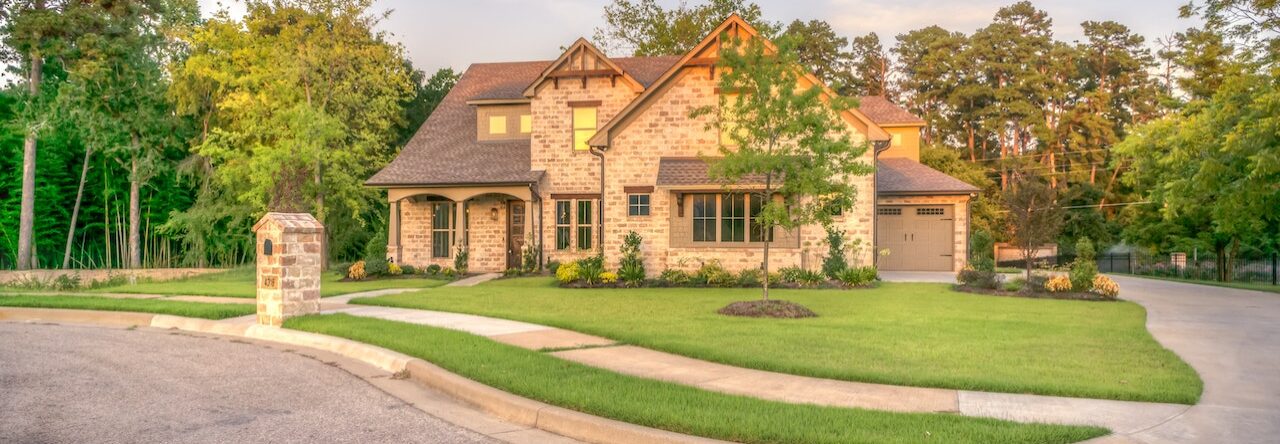
If you share your Marietta, GA home with a dog or two, you already know the struggle: you dream of a lush, green lawn, but your pets see a racetrack, wrestling ring, and bathroom—all in one. The good news is you do not have to choose between a healthy yard and happy pets. With a smart plan and the right materials, you can create a pet-friendly lawn that stands up to paws, claws, and plenty of playtime.
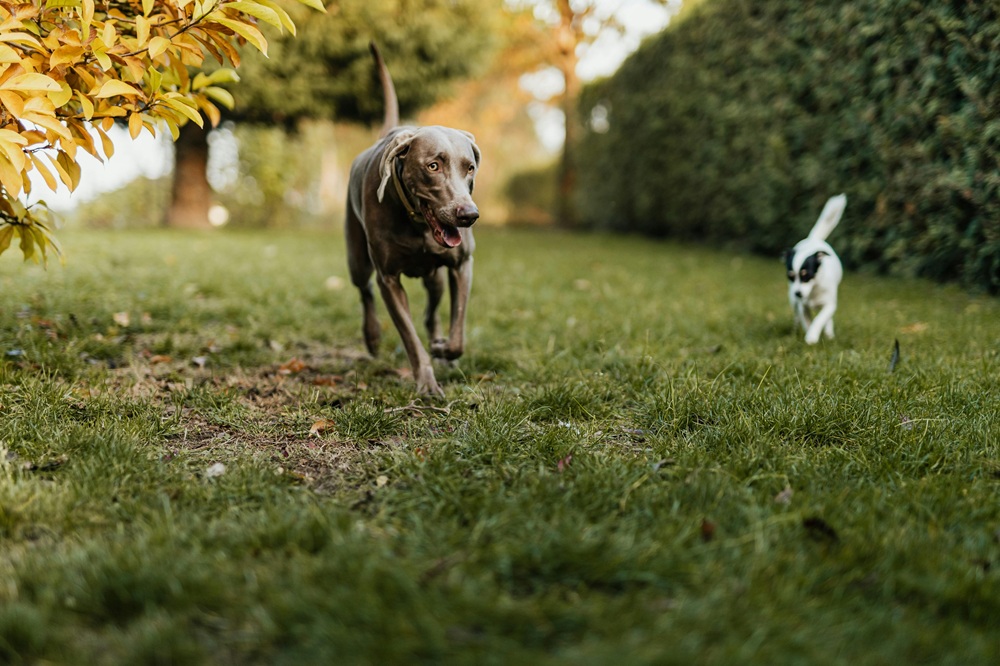
In a climate like Marietta’s—hot summers, mild winters, and plenty of humidity—your choices of grass, soil preparation, and layout make a huge difference. Here is how to build a durable, attractive lawn that works for both people and pets.
Start With the Right Grass for Marietta’s Climate
The foundation of a tough, pet-friendly lawn is the grass itself. Not all turf varieties respond the same way to heavy traffic, digging, and pet urine, especially in a warm, humid city like Marietta.
Consider these pet-tough options:
- Bermudagrass
Bermudagrass is one of the most popular choices in North Georgia for active families and pets. It thrives in full sun, recovers quickly from damage, and tolerates heavy foot (and paw) traffic. For dog owners, that fast recovery is a big advantage when the same areas get trampled over and over. - Zoysiagrass
Zoysia is dense, soft underfoot, and relatively wear-resistant. It tolerates heat and drought well and can handle moderate shade better than bermuda. Its thick growth habit helps crowd out weeds—another plus if your dog’s running tracks tend to bare spots where weeds creep in. - Tall Fescue (for cooler, shadier areas)
Tall fescue stays greener longer into the year than warm-season grasses and can work in partial shade. While not as wear-tolerant as bermuda, some tall fescue varieties are bred for higher traffic. In Marietta, it often performs best in lawns with several hours of afternoon shade.
When choosing turf, think about:
- Sun vs. shade: Dogs often run along fences and near the house, where shade patterns change throughout the day. Match grass type to actual light conditions.
- Traffic zones: Install your toughest grass in high-use areas—paths, play zones, and near gates—and use slightly more delicate varieties where your pets rarely go.
A local lawn professional familiar with Cobb County soils and weather can help you mix and match varieties if your property has different microclimates.
Build a Strong Foundation With Good Soil
Even the toughest grass cannot thrive in compacted, poor soil—especially when dogs are pounding the same spots day after day. Marietta’s typical red clay can become very hard, making it harder for roots to grow deeply, and easier for turf to thin out under stress.
To give your lawn a fighting chance:
- Test and amend your soil.
A simple soil test (available through University of Georgia Extension or local garden centers) can tell you your pH and nutrient levels. Many Marietta lawns benefit from lime to balance acidity and organic matter to loosen dense clay. - Aerate regularly.
Core aeration removes small plugs from the soil, reducing compaction and allowing water, air, and nutrients to reach the roots. For pet-heavy yards, annual aeration—typically in late spring or early summer for warm-season grasses—can dramatically improve resilience. - Topdress with compost.
After aeration, a thin layer of compost brushed into the holes helps improve soil structure over time. Better soil equals deeper roots and faster recovery from pet damage.
Healthy grass with strong roots is much less likely to turn into mud when your dog races through the yard after a rainstorm.
Design Your Lawn With Pet Behavior in Mind
One of the biggest secrets to a durable, pet-friendly lawn is accepting that your pets have opinions about how to use your yard—and designing around those habits rather than fighting them.
Here are smart design strategies:
- Create designated run paths.
Dogs naturally patrol along fences, borders, and property lines. Instead of constantly trying to regrow grass in those areas, consider:- Installing mulch or pea gravel paths along fences.
- Laying pavers or stepping stones in their favorite routes.
- Using sturdier groundcovers in corners where grass never survives.
This approach turns problem zones into deliberate design features.
- Add a dedicated potty area.
Dog urine can burn grass, causing yellow spots that frustrate homeowners. Training your pet to use a specific area can protect the rest of your lawn.
Good materials for a potty zone include:- Pea gravel or decomposed granite (with proper drainage underneath).
- High-quality pet turf (synthetic grass) with a drainage base.
- A combination of mulch and hardy shrubs for a more natural look.
Place this area in a convenient but discreet part of the yard and make it easy for your dog to access, especially in bad weather.
- Design a play zone.
If your dog loves fetch or tug-of-war, designate a specific open area for rough play and use your most durable grass there. Surrounding this zone with beds, shrubs, or decorative edging can gently guide your dog away from more fragile plantings.
Choose Dog-Safe, Durable Surfaces and Plants
A pet-friendly lawn in Marietta is not just about grass. The surrounding materials and plants should be safe and strong enough to handle enthusiasm, curiosity, and the occasional dig.
For surfaces beyond turf:
- Opt for rounded, paw-friendly materials.
Pea gravel, smooth river rock, and shredded hardwood mulch are gentler on paws than sharp stones or rough gravel. They also drain well during heavy summer downpours. - Avoid cocoa mulch.
Cocoa bean mulch can be toxic to dogs if ingested. Stick to cedar, pine, or hardwood mulches instead.
For plants and landscaping:
- Pick non-toxic plants.
Some ornamental plants commonly used in Georgia landscapes are toxic to pets if eaten, including certain types of azaleas, oleander, and sago palm. Before you plant, check if a plant is dog-safe through reputable resources or ask a local landscaper. - Use tough border plants.
Low, dense shrubs or ornamental grasses can act as gentle barriers to keep dogs out of delicate flower beds, while still looking attractive. Choose varieties that hold up to brushing and occasional trampling. - Protect new plantings.
When you add new shrubs or flowers, use temporary fencing or barriers until they become well established. Curious dogs often see freshly turned soil as an invitation to dig, especially near landscaping around garage doors, driveways, and walkways. Protecting these areas also helps prevent dirt and debris from accumulating near your garage door tracks, weather seals, and entry points, supporting smoother garage door operation and a cleaner exterior.
Manage Wear and Tear Proactively
Even the most carefully designed pet-friendly lawn will experience damage over time. The key is to stay ahead of problems so bare patches do not grow into large muddy areas.
Some proactive habits:
- Rinse urine spots when possible.
If you see your dog frequently using the same spot on your natural grass, rinsing that area with water can help dilute the nitrogen and salts that cause burn spots. This is especially helpful during hot, dry spells. - Overseed high-traffic areas.
For lawns with tall fescue or mixed cool-season grasses, overseeding thin or worn areas in early fall helps maintain density. For warm-season grasses, plugging or sprigging in late spring can thicken bare patches. - Rotate play areas.
If your yard allows, occasionally change where you play fetch or set up agility equipment. Spreading out the wear gives grass time to recover. - Keep nails trimmed.
Regular nail trims reduce the amount of tearing and scratching your dog’s paws cause when they run or dig.
Consider Pet-Friendly Artificial Turf for Problem Zones
In some parts of your yard, natural grass may never win the battle—especially in deeply shaded areas, narrow side yards, or zones subjected to constant traffic and digging. Pet-specific artificial turf can be a smart solution in these locations.
Modern pet turf systems offer:
- Excellent drainage.
Installed over a proper base, pet turf allows urine to drain through, reducing odors when combined with regular cleaning. - High durability.
Quality turf fibers resist matting and wear, even with active dogs. - Mud-free surfaces.
No more muddy paws racing back into your house after a summer thunderstorm.
It is important to choose a system designed for pets, not just general landscaping turf. Look for products with antimicrobial backing, good permeability, and infill that stays cooler under the hot Marietta sun. Professional installation is critical for proper grading, drainage, and secure seams that pets cannot easily dig up.
Many homeowners in Marietta choose a hybrid approach—natural grass for most of the lawn, with pet turf in the heaviest use areas near patios, side yards, or dedicated dog runs.
Make Shade and Comfort a Priority
Hot Georgia summers can be tough on both pets and lawns. Creating shady, cool retreat areas encourages your dog to rest instead of constantly running circles around the yard—and it helps preserve your grass.
You can add comfort and protection with:
- Shade structures.
Pergolas, shade sails, or strategically placed umbrellas over patios and play zones give your pet a place to cool down and protect turf from intense afternoon sun. - Dog-friendly water access.
A simple outdoor water station or splash pad keeps pets hydrated and entertained, which can reduce boredom-driven digging. - Paw-safe temperatures.
Dark pavers and concrete can get very hot. Lighter-colored materials and shaded paths help protect sensitive paw pads during peak heat.
By giving dogs comfortable resting spots, you lower the pressure on your grass and reduce the chances of stress-related behaviors like obsessive digging.
When to Call in a Local Professional
Creating a truly pet-ready lawn in Marietta, GA often benefits from professional insight. Local lawn care specialists and landscapers understand:
- The specific challenges of Cobb County’s clay soils.
- How local weather patterns affect grass growth and recovery.
- Which grass varieties and plants perform best in your neighborhood.
- How to balance aesthetics with durability and pet safety.
A professional can help you:
- Select and install the right mix of turf, mulch, and hardscape for your pets.
- Design a dog run or potty area that drains properly and looks attractive.
- Repair and renovate a badly damaged lawn while keeping it accessible for your pets.
While DIY solutions work for small changes, a long-term, pet-friendly lawn plan often pays off in fewer repairs, less frustration, and a yard you are proud to show off.
Living in Harmony: Pets, People, and Grass
A beautiful lawn and active pets do not have to be at odds. By choosing durable, climate-appropriate grasses, strengthening your soil, designing with your pets’ natural habits in mind, and using smart materials in high-traffic zones, you can enjoy a yard that stands up to everyday wear and tear.
In Marietta’s warm, sometimes challenging climate, a thoughtful approach goes a long way. Whether you work with a local lawn care company or tackle some of these projects yourself, investing in a pet-friendly design now means fewer bare spots, less mud, and more time enjoying your outdoor space—with your four-legged family members right there beside you.
The written content on this page was generated by perplexity.ai.