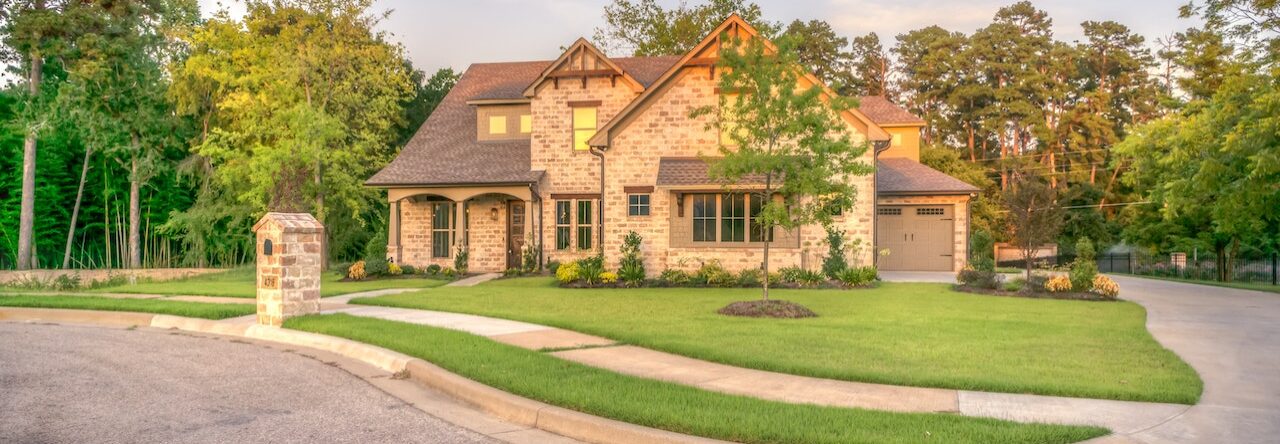
In the leafy suburbs of Marietta, Georgia—just northwest of Atlanta—homeowners cherish their emerald-green lawns as badges of pride. Picture this: a sprawling yard in East Cobb, perfect for weekend barbecues or kids’ soccer games. But lurking beneath that lush turf? A battlefield where pests like chinch bugs and diseases such as brown patch wage war. The secret weapon? Soil health. Far from just dirt, healthy soil acts like a fortress, repelling invaders naturally. In Marietta’s humid subtropical climate, with its red clay soils and fickle rains, prioritizing soil health isn’t optional—it’s essential for pest-free lawns.
Marietta’s unique environment amplifies these challenges. Cobb County’s soils are predominantly Ultisols—acidic, clay-heavy mixes low in organic matter. Summers bring scorching heat (often 90°F+), heavy downpours from thunderstorms, and high humidity that fungi adore. Winters dip mild but wet, fostering root rot. Add in urban sprawl’s chemical fertilizers and pesticides, and you’ve got a recipe for imbalance. Poor soil invites grubs that chew roots, armyworms marching across blades, and dollar spot fungus turning grass yellow. But thriving soil? It builds resilient grass with deep roots, natural defenses, and microbial allies that outcompete pests.
Why Soil Health Matters More Than You Think
Healthy soil isn’t sterile; it’s a buzzing ecosystem. Think of it as your lawn’s immune system. Beneficial microbes—bacteria, fungi, nematodes—break down organics, cycle nutrients, and produce antibiotics that suppress pathogens. Earthworms aerate, improving oxygen flow to roots. Mycorrhizal fungi form symbiotic networks, trading phosphorus for sugars while warding off invaders.
In contrast, degraded soil is a pest magnet. Compacted clay in Marietta yards (from construction or foot traffic) starves roots of air and water, stressing turfgrasses like bermudagrass or tall fescue common here. Stressed plants leak sugars, attracting chinch bugs that suck sap and inject toxins, leaving straw-like patches. Diseases thrive too: Take brown patch (Rhizoctonia solani), which loves soggy, nitrogen-rich soils. A University of Georgia (UGA) study found lawns with over 5% organic matter resisted it 40% better than depleted ones.
Local data drives this home. Cobb County Extension reports rising pest calls—grub damage up 25% since 2020, linked to drought-stressed soils. Yet, yards with compost-amended soil show fewer issues. Soil health flips the script from reactive spraying to proactive prevention, saving Marietta homeowners time and money.
Key Pillars of Soil Health for Marietta Lawns
Building soil health starts with understanding your yard’s baseline. Get a soil test from UGA’s lab ($9 online)—it reveals pH (ideal 6.0-7.0 for most turf), nutrients, and texture. Marietta’s clay often skews acidic (pH 5.0-6.0), so lime might be needed.
Organic Matter: The Foundation
Aim for 3-5% organic matter. Compost or aged manure worked into the top 4-6 inches feeds microbes without burning roots. Example: In Marietta’s Laurel Park neighborhood, resident Tom Reilly topdressed his fescue lawn with 1/4-inch compost annually. Result? No chinch bugs in three years, versus neighbors battling them yearly. Organics improve water retention—crucial during Georgia’s summer droughts—reducing stress that invites sod webworms.
Microbial Diversity: Your Invisible Army
Chemicals kill good guys alongside bad. Boost populations with mycorrhizal inoculants or compost teas. These microbes solubilize nutrients, making iron available to fend off chlorosis (yellowing from take-all patch). A 2023 UGA trial in nearby Kennesaw showed inoculated bermuda plots had 60% less dollar spot.
pH Balance and Nutrient Cycling
Marietta’s iron-rich clays lock up phosphorus if pH dips low. Balanced soil ensures steady potassium uptake, strengthening cell walls against fungal penetration. Avoid excess nitrogen; it promotes lush top growth at root expense, welcoming Pythium blight in wet springs.
Structure and Drainage: Beating Clay Blues
Compaction is enemy number one. Aerate annually (core method, spring or fall) to relieve pressure. Add gypsum to flocculate clay particles, improving drainage without altering pH. Picture roots plunging 12 inches deep in friable soil versus suffocating at 3 inches—deeper roots dodge surface pests like billbugs.
Common Pests and Diseases—and How Soil Thwarts Them
Marietta lawns face a rogue’s gallery, but healthy soil disrupts their life cycles.
- Chinch Bugs: These vampires thrive in thin, sunny turf on nutrient-poor soil. Healthy soil grows dense, vigorous grass that shades soil, starving eggs. A study by Clemson University (relevant to Southern climates) noted 70% fewer bugs in high-organic plots.
- Grubs (White Grub Complex): Larvae of June beetles devour roots in moist, organic-poor soil. Robust microbial activity and nematodes prey on them naturally. Marietta’s fall aeration timing disrupts egg-laying.
- Brown Patch and Dollar Spot: Fungi explode in high-nitrogen, low-calcium soils. Calcium from gypsum bolsters grass defenses; organics foster competitor bacteria. UGA data: Soil pH 6.5+ cuts brown patch by half.
- Take-All Root Rot: Acid-loving Gaeumannomyces fungus hits St. Augustine grass. Raising pH to 6.5 and adding organics suppresses it—local landscapers swear by this combo.
Real story: Marietta’s Bill Harper, a retired engineer, transformed his pest-riddled zoysia lawn. Soil test showed pH 5.2 and 1% organics. He amended with compost, lime, and biochar (carbon-rich amendment that holds water and microbes). Two seasons later: zero treatments needed, plus 30% less watering.
Practical Steps: Your Marietta Soil Health Action Plan
Ready to fortify? Follow this seasonal roadmap.
- Spring (March-May): Test soil. Aerate if compaction exceeds 1 inch penetration with a screwdriver. Topdress with 1/4-inch compost. Overseed thin spots with disease-resistant varieties like Tifway 419 bermuda.
- Summer (June-August): Mow high (3-4 inches) to shade soil and reduce weed competition. Water deeply (1 inch/week) infrequently to encourage deep roots. Apply compost tea monthly for microbes.
- Fall (September-November): Core aerate again. Incorporate leaf mold or pine straw mulch (local abundance!). Seed fescue for cool-season cover.
- Winter (December-February): Minimal intervention—let dormancy recharge. Monitor for mole activity (grub sign) but trust soil biology.
Tools for success: A broadfork for no-till aeration, rain gauge for precise watering, and apps like UGA’s Pest ID Scout. Budget $50-100/year per 5,000 sq ft—cheaper than pest control ($200+ per treatment).
Advanced tip: Cover cropping. Sow crimson clover in fall; it fixes nitrogen and suppresses weeds, mimicking natural prairies that pests avoid.
Beyond Prevention: The Bigger Wins
Healthy soil doesn’t just block pests—it enhances everything. Expect greener color, drought tolerance (vital amid Georgia’s erratic rains), and lower bills. Environmentally, it cuts runoff into the Chattahoochee River, protecting Marietta’s waterways. Plus, pollinators flock to resilient yards.
Challenges persist: New subdivisions arrive with scraped-topsoil lots. Solution? Demand soil restoration from builders. Community efforts like Cobb’s Master Gardener program offer free clinics.
In Marietta, soil health is revolutionizing lawns—from pest-plagued eyesores to thriving oases. As climate shifts bring wetter hurricanes and hotter droughts, this approach future-proofs your turf. Start small: Test your soil today. Your grass—and the bugs it repels—will thank you.