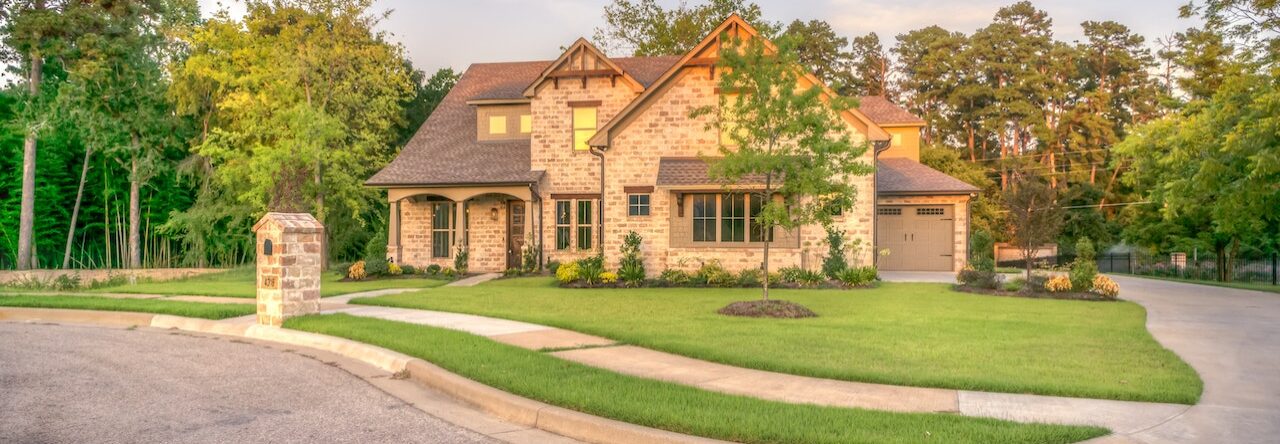
A lush, healthy lawn is something many homeowners in Marietta, GA take pride in — but achieving that vibrant green carpet becomes a real challenge when your yard is shaded by towering hardwoods, charming pines, or structures that block sunlight. Shady areas may seem like a landscaping headache, but with the right planning, grass selection, and maintenance routine, you can create a thriving lawn even in lower-light environments.
The climate in Marietta, located in North Georgia, features hot summers, mild winters, and plenty of humidity — great for growth, but also known for stressing turf, especially without direct sun. The area is full of beautiful mature trees, which add value and shade, yet also create dense canopy zones where grass struggles. Instead of fighting nature, understanding it is the key to creating a lush, sustainable lawn beneath shade.
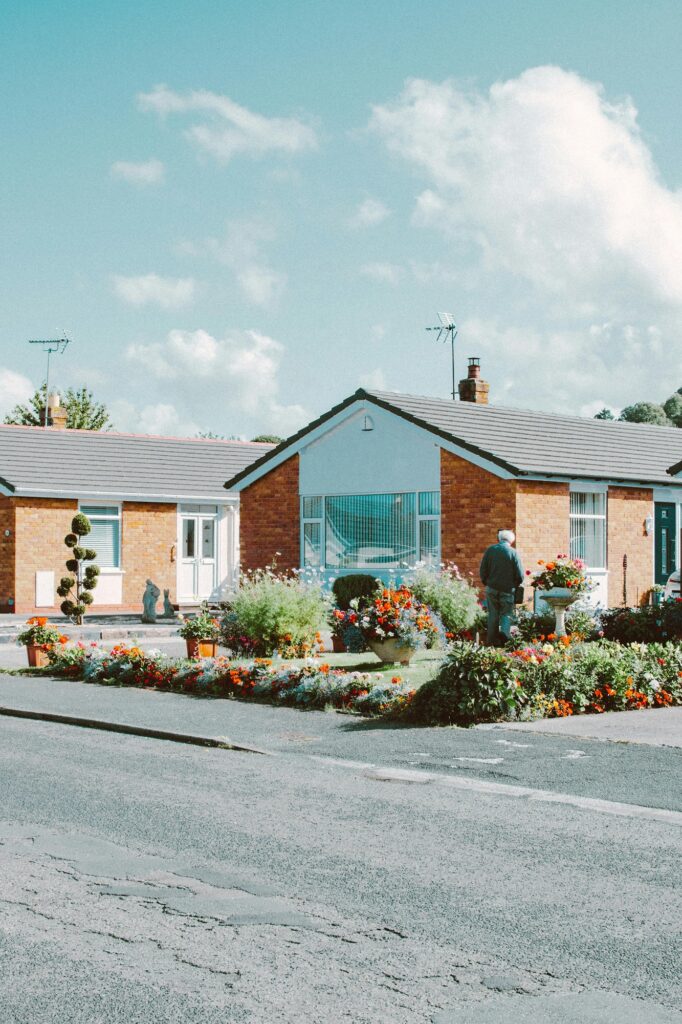
If you’re struggling with patchy grass, thinning lawns, moss growth, or bare soil in shaded areas, don’t worry — this guide will help you design, plant, and maintain a healthy shaded-area lawn that enhances your landscape, boosts your curb appeal, and even supports better home security by keeping your outdoor space well-maintained and visible.
Understanding Shade Conditions in Marietta
Before choosing grass or making any changes, it’s crucial to understand the type of shade in your yard. Shade isn’t all the same — and different plants respond differently.
Marietta properties often experience these shade levels:
| Shade Type | Description | Hours of Light |
|---|---|---|
| Light Shade | Filtered sunlight through leaves | 3–5 hours/day |
| Partial Shade | Sun only in morning or afternoon | 2–4 hours/day |
| Deep Shade | Very limited direct sunlight | Less than 2 hours/day |
The more shade you have, the more strategic your approach must be. Turfgrass needs at least some light to survive — so identifying the shade level sets the foundation for success.
Best Turf Options for Shady Lawns in Marietta
Not all grasses thrive in shade. Cool-season grasses often struggle with Georgia heat, so warm-season cultivars are preferred.
Below are the most successful grass types for Marietta’s shady yards:
✅ Fine Fescue
- One of the most shade-tolerant grasses
- Performs well in cooler, shaded zones
- Blends great with other turf types
Best for deep shady pockets or areas that receive cool filtered light.
✅ Zoysia Grass
- Medium shade tolerance
- Thick, carpet-like growth
- Heat and drought resistant
Zoysia is ideal for yards that receive partial shade and dappled sunlight.
✅ St. Augustine Grass
- Highest shade tolerance among warm-season grasses
- Widely used in Southern landscapes
- Coarse texture but very lush
Perfect for heavily wooded areas, though needs at least 4 hours of indirect light.
✅ Tall Fescue Blend
- Cool-season option
- Handles moderate shade
- Deep root system for drought tolerance
Works well in transition zones or partially shaded lawn edges.
Enhancing Light & Airflow
Grass doesn’t just need water and soil — it needs airflow and light. Improving these elements can dramatically improve turf in shaded settings.
🌳 Selective Tree Pruning
Trim branches to open canopy space. Avoid over-pruning; gradual thinning is best.
🍂 Leaf Management
Remove fallen leaves quickly. Leaves block sunlight and promote fungus in humid Georgia weather.
💨 Improve Air Movement
Trim shrubs and low limbs to improve breeze and reduce disease pressure.
These small adjustments can dramatically support grass health without damaging your trees’ natural beauty.
Soil Preparation for Shade Success
Grass in shade requires different soil conditions than grass in full sun.
✅ Increase Organic Matter
Mix compost into soil to improve nutrient and moisture retention.
✅ Ensure Good Drainage
Shaded areas often trap moisture — aeration improves root oxygen and prevents fungal issues.
✅ Adjust pH if Needed
Marietta’s red-clay soils tend to be acidic. Aim for pH 6.0–6.5 for shade grasses.
Testing soil yearly helps keep your turf healthy and balanced.
Watering Tips for Shady Lawns
Shaded grass typically needs less water, not more. Overwatering causes disease, fungus, and root failure.
Follow these watering guidelines:
- Water deeply but infrequently
- Adjust irrigation schedules to reflect cooler shade conditions
- Water early morning to prevent moisture build-up overnight
Signs of overwatering include:
- Mushy soil
- Mold or mildew
- Yellow or thinning turf
Balance is key — moist but not soggy.
Fertilizing & Feeding Shade Grass
Shaded lawns need lighter fertilization. Too much nitrogen encourages blade growth instead of roots and increases disease.
Follow this schedule for Marietta grass:
🟢 Light feed in early spring
🟢 Supplemental feed in early fall
🔴 Avoid heavy summer fertilizing in deep shade
Use slow-release fertilizer to support long-term health.
Mowing Tips for Shade-Loving Lawns
Grass blades act like solar panels — in shade, they need more surface area to take in light.
Mowing rules for shade areas:
- Raise the mowing height (¾–1 inch higher)
- Keep mower blades sharp
- Avoid cutting more than ⅓ of the blade height at once
Longer grass = stronger roots = healthier shade lawn.
Alternatives for Very Shady Spaces
Sometimes, even shade-tolerant grasses can’t thrive. If your yard gets fewer than 2 hours of indirect sun, consider alternatives:
✅ Groundcovers
- Mondo grass
- Pachysandra
- Ferns
- Ajuga
✅ Mulch beds
Add texture and prevent weeds.
✅ Native shade gardens
Hostas, hydrangeas, hellebores, and native ferns thrive here.
✅ Decorative hardscapes
Stone pathways, gravel seating areas, or woodland features create charm and reduce maintenance.
Choosing alternatives can turn a struggle spot into a standout landscape feature.
Ongoing Maintenance Tips
To keep your shaded lawn green and full:
- Aerate annually
- Overseed thin areas each fall
- Remove debris often
- Use fungal-preventive treatment during humid months
Consistency is the secret to long-term success.
Troubleshooting Common Shady-Lawn Problems
| Problem | Cause | Solution |
|---|---|---|
| Moss growth | poor drainage / low pH | aerate, raise pH, boost sunlight |
| Bare patches | too much shade | prune trees, overseed, consider groundcovers |
| Fungus spots | excess moisture | improve air flow, adjust watering |
| Thin, weak grass | poor nutrition | slow-release feeding, soil amendment |
A shaded lawn may require observation and adaptation — but once established, it becomes naturally efficient and resilient.
A shady lawn in Marietta doesn’t have to mean bare soil or moss-covered ground. With the right grass type, thoughtful design, and smart care techniques, you can cultivate a lush and vibrant lawn even under tree canopies.
By respecting natural light conditions, improving soil quality, and committing to seasonal care, your shaded landscape can thrive — bringing charm, coolness, and natural elegance to your property.
Instead of fighting shade, embrace it, work with it, and transform it into one of your yard’s greatest assets.
The written content on this page was generated by perplexity.ai.