How to have a healthy lawn and add curb appeal to your home in Marietta, GA

Author: Wade Jones Page 2 of 4

Strategies for maintaining a weed-free driveway and walkway in Marietta, GA

Maintaining a weed-free driveway and walkway is essential for enhancing the curb appeal of your home, especially in Marietta, GA, where the warm climate can promote rapid weed growth. This article outlines effective strategies to keep your outdoor spaces clean and attractive.
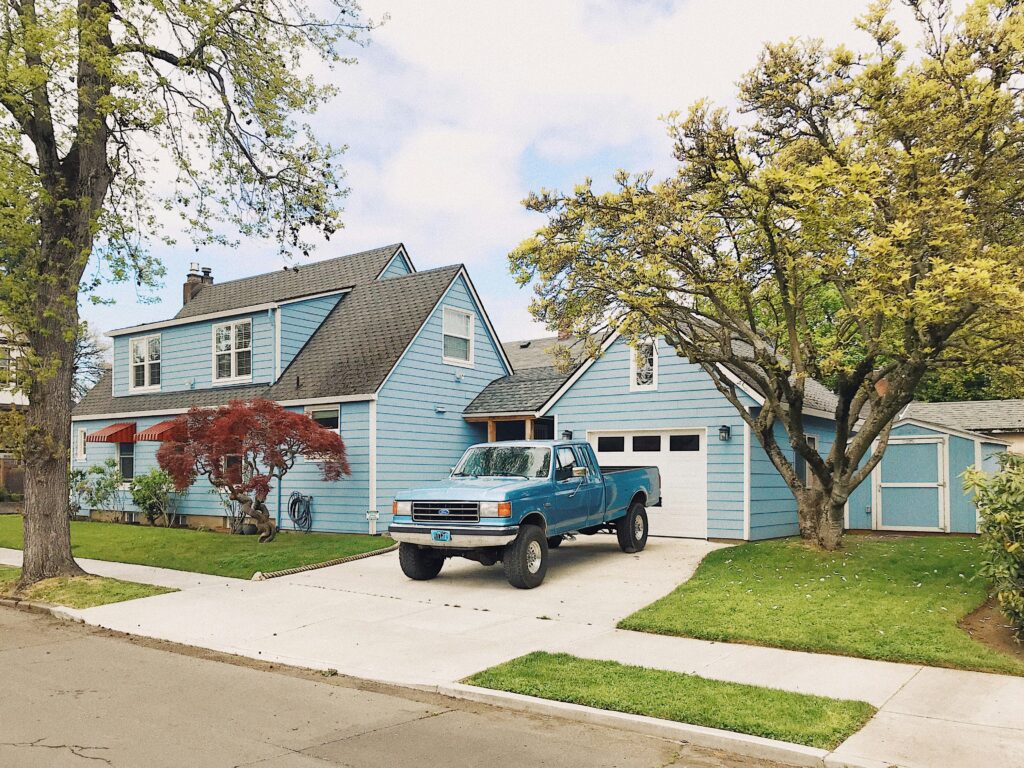
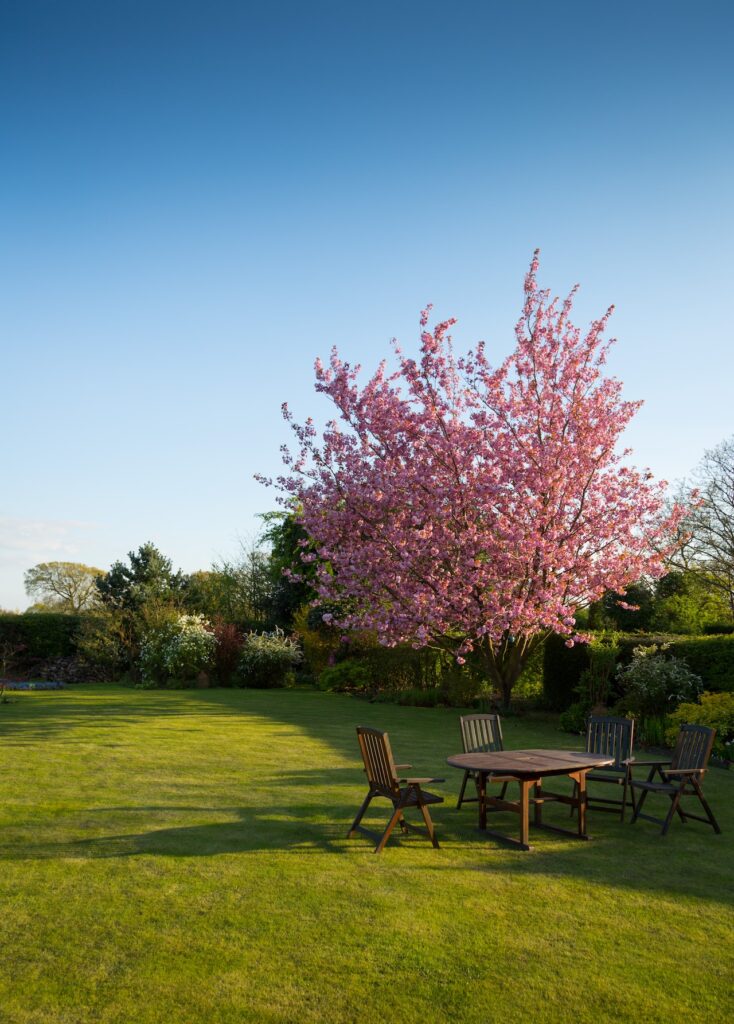
Photo by Zachary Keimig on Unsplash

Understanding the Weed Problem

Weeds are resilient plants that can thrive in various conditions, often taking root in the cracks of driveways and walkways. In Marietta, common weeds include crabgrass, dandelions, and clover. The local climate, characterized by warm summers and mild winters, provides an ideal environment for these unwanted plants to flourish.

1. Preventive Measures

Mulching:
Applying mulch around your driveway and walkway can significantly reduce weed growth. Organic mulches like wood chips or pine straw not only suppress weeds but also enrich the soil as they decompose.Landscape Fabric:
Installing landscape fabric beneath gravel or mulch can create a barrier that prevents weeds from reaching the surface. Ensure that the fabric is laid flat and overlaps at the seams to block light effectively.Edging:
Using physical barriers such as metal or plastic edging can help define your driveway and walkway while preventing grass and weeds from encroaching. This method is particularly effective in maintaining clean lines between your landscape beds and hardscapes.

2. Chemical Treatments

Pre-emergent Herbicides:
Applying pre-emergent herbicides like Surflan (oryzalin) or Barricade (prodiamine) can prevent weed seeds from germinating. These products should be applied early in the season before weeds start to grow2.

Post-emergent Herbicides:
For existing weeds, post-emergent herbicides such as glyphosate can be effective. However, caution should be exercised to avoid harming desirable plants. Always follow label instructions for safe application.

3. Manual Removal Techniques

Hand Weeding:
Regularly inspecting your driveway and walkway for weeds and pulling them out by hand is an effective method, especially for small infestations. It’s best to remove weeds after a rain when the soil is moist, making it easier to uproot them completely.Weed Torch:
Using a propane torch to burn weeds is a quick solution for small areas. However, this method requires caution to avoid damaging surrounding plants or starting a fire2.

4. Regular Maintenance

Routine Inspections:
Conduct regular inspections of your driveway and walkway to catch any emerging weeds early. This proactive approach will make it easier to manage any problems before they escalate.Power Washing:
Using a power washer can help remove dirt, debris, and even some shallow-rooted weeds from your driveway or walkway. This technique not only cleans but also discourages weed growth by removing their habitat.

5. Professional Assistance

If maintaining a weed-free environment becomes overwhelming, consider hiring a professional landscaping service. Companies like Crawford Landscaping offer comprehensive lawn care solutions tailored to the specific needs of Marietta residents13. They can provide expert advice on weed control methods suitable for your property.

By implementing these strategies—preventive measures, chemical treatments, manual removal techniques, regular maintenance, and seeking professional help—you can effectively maintain a weed-free driveway and walkway in Marietta, GA. A clean outdoor space not only enhances your home’s aesthetic appeal but also contributes to its overall value. 

The written content on this page was generated by perplexity.ai.

Choosing the right plants and flowers for your Marietta, GA lawn

Choosing the right plants and flowers for your Marietta, GA lawn involves understanding the local climate, soil conditions, and the aesthetic you wish to achieve. Marietta is located in USDA hardiness zone 7b, which means it experiences mild winters and warm summers, making it suitable for a variety of plants. This article will explore native plants, flowering options, and practical considerations for creating a vibrant garden in Marietta. Along with landscaping, maintaining exterior features like your garage door repair also plays a key role in enhancing overall curb appeal and home value.

Understanding the Climate and Soil

Climate Considerations

Marietta’s climate is characterized by hot summers and mild winters. The average temperature ranges from about 30°F in winter to over 90°F in summer. This climate supports a wide range of plants but also requires careful selection to ensure they can thrive under these conditions.

Soil Types

The soil in Marietta is typically clayey, which can retain moisture but may also lead to drainage issues. It’s essential to amend the soil with organic matter to improve its structure and fertility. Testing the soil pH is also advisable, as many plants prefer slightly acidic to neutral soils (pH 6.0-7.0).

Native Plants for Marietta Gardens

Utilizing native plants is an excellent way to support local wildlife and reduce maintenance efforts. Native species are adapted to the local environment and generally require less water and fewer fertilizers.

Top Native Plants

  1. Eastern Redbud (Cercis canadensis): This small tree features stunning pinkish-purple blossoms in spring and heart-shaped leaves that provide year-round interest.
  2. Flowering Dogwood (Cornus florida): Known for its beautiful white or pink flowers, this tree also produces bright red fruit in the fall, attracting birds.
  3. Southern Magnolia (Magnolia grandiflora): A classic choice with large white flowers and evergreen leaves, it adds elegance and fragrance to any garden.
  4. American Beautyberry (Callicarpa americana): This shrub produces vibrant purple berries that attract wildlife while providing colorful foliage.
  5. Coral Honeysuckle (Lonicera sempervirens): A climbing vine that blooms with tubular flowers, attracting hummingbirds and other pollinators.

These native plants not only enhance the beauty of your garden but also contribute to local biodiversity by providing habitats for various species.

Flowering Plants for Seasonal Interest

In addition to native plants, incorporating flowering varieties can add color and vibrancy throughout the growing season.

Recommended Flowering Plants

Photo by Benjamin Combs on Unsplash
  1. Hydrangeas: Varieties like ‘Endless Summer’ thrive in Marietta’s climate, offering blooms in shades of blue, pink, or white.
  2. Daylilies (Hemerocallis): These hardy perennials bloom profusely during summer and come in various colors.
  3. Becky Daisies (Leucanthemum × superbum ‘Becky’): Known for their resilience, these daisies provide continuous blooms throughout summer.
  4. Coleus: While primarily grown for their foliage, coleus plants provide vibrant colors that complement flowering plants beautifully.
  5. Petunias: These annuals bloom from spring through fall and are available in numerous colors, thriving in full sun.

By selecting a mix of perennials and annuals, gardeners can ensure a colorful display from early spring until late fall.

Practical Tips for Planting

Site Selection

Choose planting sites based on sunlight exposure—most flowering plants prefer full sun (at least 6 hours of direct sunlight). Areas with partial shade can support shade-tolerant species like hostas or ferns.

Watering Needs

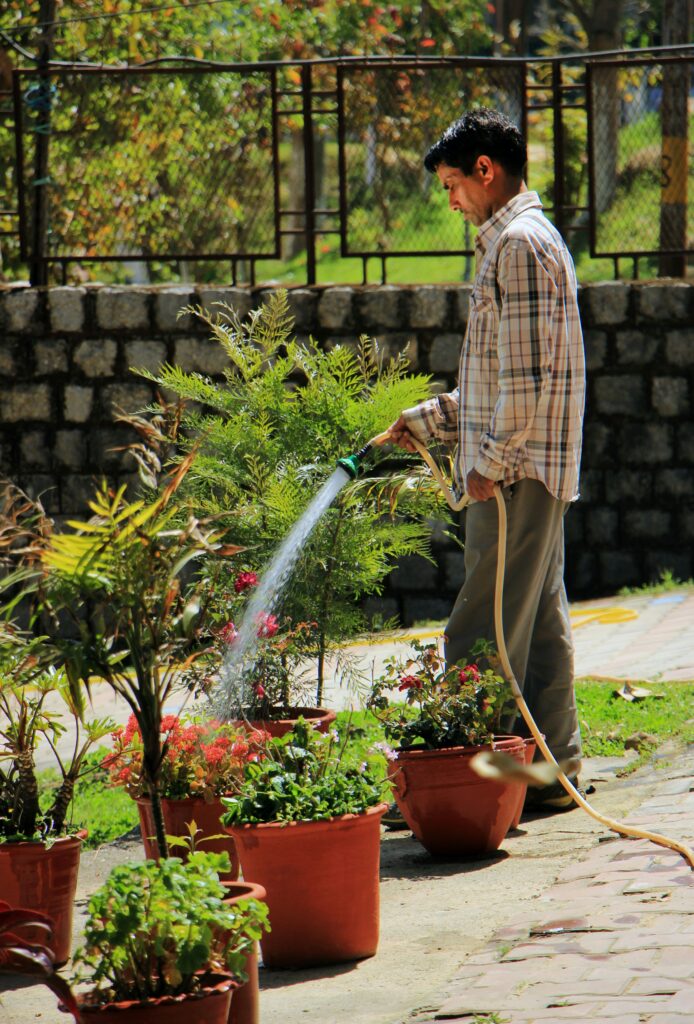
Photo by Manish Sharma on Unsplash

Establish a watering schedule based on plant needs—native plants typically require less water once established, while annuals may need more frequent watering during hot spells.

Mulching

Applying mulch around plants helps retain moisture, suppress weeds, and regulate soil temperature. Organic mulches like shredded bark or pine straw also improve soil quality as they decompose.

Fertilization

While native plants often thrive without additional fertilization, flowering annuals may benefit from a balanced fertilizer applied during the growing season to encourage robust blooms.

Creating an Aesthetic Garden Design

Color Schemes

Consider color schemes when selecting plants; complementary colors can enhance visual appeal. For instance:

  • Use warm colors (reds, yellows) for a vibrant look.
  • Cool colors (blues, purples) create a calming effect.

Layering Plants

Layering different heights of plants creates depth in your garden design. Taller plants should be placed at the back of borders with shorter varieties in front.

Seasonal Interest

Incorporate a mix of blooming times to ensure that there is always something in flower throughout the seasons. Early bloomers like daffodils can be followed by summer stalwarts like coneflowers or black-eyed Susans.

Maintenance Considerations

Regular maintenance is key to keeping your garden healthy:

  • Weeding: Regularly remove weeds that compete for nutrients and water.
  • Pruning: Prune dead or overgrown branches to encourage healthy growth.
  • Pest Management: Monitor for pests; consider organic solutions like neem oil or insecticidal soap if necessary.

Choosing the right plants and flowers for your Marietta lawn involves understanding local conditions and selecting species that thrive in your environment. By focusing on native plants alongside vibrant flowering options, you can create a beautiful landscape that enhances both your home’s curb appeal and supports local wildlife. With thoughtful planning and maintenance, your garden can be a stunning showcase of color and life throughout the year.

The written content on this page was generated by perplexity.ai.
Enhancing Curb Appeal with Well-designed Landscaping in Marietta, GA

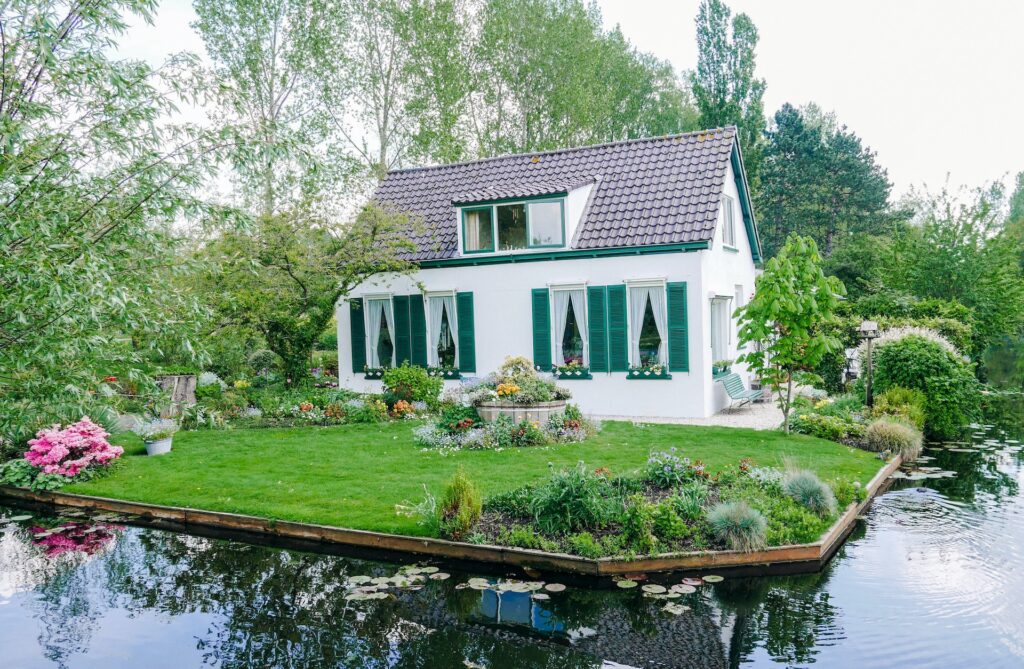
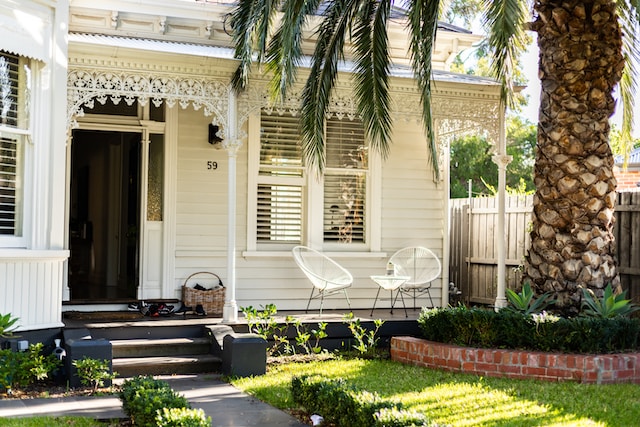
Enhancing your home’s curb appeal with well-designed landscaping in Marietta, Georgia, can significantly increase the aesthetic value of your property. Marietta’s climate, characterized by warm summers and mild winters, allows for a wide variety of landscaping options.

Photo by Daniela Paola Alchapar on Unsplash

Here are some ideas and tips to create an attractive and welcoming front yard:

  1. Choose Native Plants:

Select native plants and trees that are well-suited to Marietta’s climate and soil. Native plants are adapted to local conditions, which makes them easier to maintain.

  1. Create Layered Beds:

Design your landscape with layered planting beds. Place taller shrubs or small trees at the back, followed by medium-sized plants, and then low-growing ground cover in the front. This provides depth and visual interest.

  1. Seasonal Color:

Incorporate plants that bloom at different times of the year. This ensures that your landscape remains colorful and appealing throughout the seasons.

  1. Well-Maintained Lawn:

Keep your lawn well-maintained, including regular mowing, watering, and fertilization. A healthy lawn is a crucial part of curb appeal.

  1. Hardscape Elements:

Add hardscape elements like walkways, paver patios, or stone borders. These features can provide structure and create focal points in your landscape.

  1. Accent Lighting:

Install outdoor lighting to highlight architectural features and key landscape elements. Well-placed lighting can enhance your home’s appearance during the evening hours.

  1. Garden Borders:

Define garden beds with attractive borders. Options include bricks, stones, or metal edging. Borders keep your landscaping organized and add visual appeal.

  1. Water Features:

Consider adding a small fountain or pond for a calming and attractive focal point in your landscape. The sound of water can be soothing and adds a unique touch.

  1. Shaded Areas:

Create shaded seating areas with pergolas, arbors, or shade trees. This not only adds comfort but also enhances the visual appeal of your landscape.

  1. Proper Plant Placement:

Be mindful of the mature size of plants and trees when planting them. Avoid overcrowding and ensure they have adequate room to grow.

  1. Pathways and Walkways:

Design well-defined pathways that guide visitors to your front door. Materials like flagstone or brick can add elegance.

  1. Focal Points:

Introduce focal points in your landscape, such as a beautiful flower bed, a striking sculpture, or an ornamental tree. These elements draw the eye and create visual interest.

  1. Xeriscaping:

Consider xeriscaping principles by using drought-tolerant plants and efficient irrigation systems. This approach is eco-friendly and can save on water bills.

  1. Potted Plants:

Use decorative pots and containers with colorful flowers or shrubs to add accents to your porch or entrance.

  1. Lawn Decor:

Install lawn ornaments, birdhouses, or garden art that complements your landscaping theme.

  1. Maintenance:

Regularly maintain your landscaping by trimming, pruning, and weeding. An unkempt landscape can quickly detract from curb appeal.

17. Garage Door Appearance:

While landscaping plays a huge role in curb appeal, don’t overlook the condition of your garage door. A clean, well-functioning garage door can make a big visual difference. For reliable, professional help, consider garage door repair in Marietta, GA to ensure your home’s exterior looks its best.

18. Seek Professional Advice:

If you’re unsure about design or plant selection, consult a local landscaper or garden center. They can provide expert advice tailored to Marietta’s conditions.

19. Keep Proportions in Mind:

Ensure that the scale and proportions of your landscaping elements are harmonious with your home. A small garden can get lost in front of a large house, while overly large elements can overwhelm a smaller home.

Remember that well-designed landscaping should not only be visually appealing but also functional and in harmony with your home’s architecture. By incorporating these tips and ideas, you can create an inviting and beautiful front yard that enhances your home’s curb appeal in Marietta, GA.

Creating a Sustainable and Eco-friendly Lawn Care Routine in Marietta, GA

Creating a sustainable and eco-friendly lawn care routine in Marietta, GA, is not only good for the environment but also promotes a healthier and more resilient lawn.

Photo by Look Up Look Down Photography on Unsplash

Here are some tips to help you establish a sustainable lawn care routine in Marietta:

  1. Choose the Right Grass Type:

Opt for grass varieties that are well-suited to the local climate in Marietta. Warm-season grasses like Bermuda, Zoysia, and Centipede are common choices due to their drought tolerance.

  1. Soil Testing and Soil Health:

Start with a soil test to determine your lawn’s nutrient needs and pH levels. Properly balanced soil provides a healthy foundation for your lawn.

Use organic matter like compost to improve soil structure and nutrient content. This enhances water retention and reduces the need for chemical fertilizers.

  1. Water Conservation:

Water deeply and infrequently to encourage deep root growth. Early morning watering reduces water loss through evaporation.

Consider installing a rain barrel to collect rainwater for use on your lawn and garden.

  1. Proper Mowing:

Maintain the correct mowing height for your grass type. Taller grass shades the soil, reducing weed growth and conserving moisture.

Keep mower blades sharp to ensure clean cuts and minimize stress on the grass.

  1. Mulch Grass Clippings:

Leave grass clippings on the lawn as mulch. They return nutrients to the soil, reducing the need for synthetic fertilizers.

  1. Organic Fertilization:

Use organic or slow-release fertilizers to reduce the risk of nutrient runoff and groundwater contamination.

Apply fertilizers sparingly and based on soil test recommendations.

  1. Integrated Pest Management (IPM):

Adopt an IPM approach to pest and weed control. This method focuses on prevention, monitoring, and using the least toxic methods when necessary.

Encourage natural predators like ladybugs and beneficial nematodes to control pests.

  1. Compost and Natural Amendments:

Use compost to improve soil fertility and organic matter content.

Consider natural soil amendments like lime or sulfur to adjust soil pH.

  1. Selective Weed Control:

Use selective herbicides only when necessary and target specific weeds. Spot treat rather than applying herbicides over the entire lawn.

Promote a dense, healthy lawn through proper maintenance to naturally suppress weed growth.

  1. Dethatching and Aeration:

Perform dethatching and aeration as needed to improve soil aeration and reduce compaction.

These practices promote healthy root growth and reduce the need for synthetic inputs.

  1. Eco-Friendly Lawn Care Products:

When purchasing lawn care products, choose eco-friendly and biodegradable options that are less harmful to the environment.

  1. Native Plants and Landscaping:

Incorporate native plants into your landscape design. They require less water and maintenance and support local wildlife.

Group plants with similar water needs together to reduce water waste.

  1. Reduce Lawn Size:

Consider reducing the size of your lawn by adding more natural landscaping features, such as flower beds, shrubs, or trees. This reduces the amount of water and resources needed for lawn care.

  1. Rain Gardens and Swales:

Create rain gardens or swales to capture and filter rainwater on your property. These features can help reduce runoff and improve water quality.

  1. Regular Maintenance:

Maintain your lawn equipment regularly to ensure optimal performance and reduce emissions. Similarly, keeping other exterior features of your home in good condition such as scheduling routine garage door inspections and repairs helps improve efficiency and long-term durability.

  1. Education and Awareness:

Stay informed about sustainable lawn care practices and environmental regulations in Marietta, GA.

By implementing these sustainable and eco-friendly lawn care practices in Marietta, you can create a beautiful and environmentally responsible lawn that enhances the beauty of your home while minimizing its impact on the ecosystem.

Tips for Aerating and Overseeding Your Lawn in Marietta, GA

Photo by Mitchell Luo on Unsplash

Aerating and overseeding your lawn in Marietta, GA, is a beneficial practice that can help improve the health and appearance of your grass. Aeration helps with soil compaction and allows for better air and water penetration, while overseeding helps fill in thin or bare areas and introduces new, healthy grass plants to your lawn. Here are some tips for successfully aerating and overseeding your lawn in Marietta:

Aerating Your Lawn:

Choose the Right Time: Fall is generally the best time to aerate warm-season grasses like Bermuda and Zoysia, which are common in Marietta. Aerate when the grass is actively growing, usually in late summer or early fall. Avoid aerating during extreme heat or drought.

Select the Correct Aeration Equipment: You can use a manual or mechanical aerator. For larger lawns, a mechanical aerator, such as a core aerator, is more efficient. Make sure the equipment is in good working condition and the tines or blades are sharp.

Prepare Your Lawn: Before aerating, water your lawn thoroughly. This will help the aerator penetrate the soil more effectively. Mark any sprinkler heads, utility lines, or other obstacles to avoid damaging them.

Aerate Properly: Run the aerator over your lawn in overlapping passes. For most lawns, one pass in each direction is usually sufficient. Pay extra attention to high-traffic areas or areas with compacted soil.

Leave the Cores: Core aeration removes small plugs or cores of soil from your lawn. Leave these cores on the surface to break down naturally. They will help improve soil structure and reduce thatch.

Follow Up with Fertilization: After aerating, consider fertilizing your lawn. The holes created by aeration allow nutrients to penetrate deeper into the soil, benefiting the grass roots.

Overseeding Your Lawn:

Choose the Right Grass Seed: Select a grass seed variety that is well-suited to the climate in Marietta, GA. Common warm-season grasses include Bermuda, Zoysia, and Centipede. Make sure the seed matches your existing grass type.

Prepare the Soil: Before overseeding, rake the soil lightly to create a good seedbed. Remove any debris or thatch that may hinder seed-to-soil contact.

Spread the Seed Evenly: Use a broadcast spreader to evenly distribute the grass seed over your lawn. Be sure to follow the recommended seeding rate on the seed bag.

Water Thoroughly: After overseeding, water your lawn deeply. Keep the soil consistently moist, but avoid overwatering, as this can lead to disease or seed washout. Watering in the early morning is ideal.

Apply a Starter Fertilizer: Consider applying a starter fertilizer specifically designed for new grass seed. This will provide essential nutrients to support seedling growth.

Protect the Seed: To prevent birds from eating the seed and to help retain moisture, you can cover the newly seeded areas with a thin layer of straw or seed germination matting.

Keep Foot Traffic to a Minimum: Try to avoid heavy foot traffic on newly overseeded areas for a few weeks to give the seedlings a chance to establish themselves.

Monitor and Maintain: Keep an eye on your overseeded areas and make adjustments as needed. Water consistently, and once the new grass reaches a mowing height, you can gradually incorporate it into your regular mowing routine.

By following these tips for aerating and overseeding your lawn in Marietta, GA, you can promote healthier grass growth, improve your lawn’s overall appearance, and increase its resilience to various environmental stressors. Over time, you’ll enjoy a lush and vibrant lawn that enhances the beauty of your home.

Effective Weed Control Methods for a Pristine Lawn in Marietta, GA

Achieving a pristine lawn in Marietta, Georgia, requires effective weed control methods tailored to the region’s specific climate and soil conditions. Weeds can quickly take over your lawn, detracting from its beauty and health. In this guide, we will explore various weed control strategies to help you maintain a pristine lawn in Marietta.

Photo by mingche lee: https://www.pexels.com/photo/green-grass-field-12834684/
  1. Proper Lawn Maintenance:

Regular Mowing: Keep your grass at the recommended height for your specific grass type to promote a healthy and dense lawn that can better compete with weeds. For example, Bermuda grass should be mowed to a height of about 1.5 to 2 inches.

Adequate Watering: Ensure your lawn receives the right amount of water to maintain its health without promoting weed growth. Deep and infrequent watering is often recommended to encourage deep root growth in your grass.

Fertilization: Apply the correct type and amount of fertilizer to keep your grass strong and healthy. Strong grass can better compete with weeds.

Aeration and Dethatching: Regularly aerate and dethatch your lawn to improve soil aeration, reduce compaction, and create a healthier environment for your grass.

  1. Pre-Emergent Herbicides:

Pre-emergent herbicides are applied before weed seeds germinate. They create a barrier that prevents weed seedlings from growing. Apply pre-emergent herbicides in early spring and early fall to target specific weed germination periods.

Timing is crucial when using pre-emergent herbicides, so be sure to follow product instructions carefully.

  1. Post-Emergent Herbicides:

Post-emergent herbicides are used to control weeds that have already sprouted. These herbicides come in selective and non-selective forms.

Selective herbicides target specific types of weeds, leaving your desirable grass unharmed. Non-selective herbicides, like glyphosate, will kill all plants, so use them with caution.

Spot-treat individual weeds with a selective post-emergent herbicide for precise control.

  1. Hand Pulling and Manual Removal:

For small areas or isolated weed problems, hand pulling or using hand tools like weed pullers can be effective. Ensure you remove the entire weed, including the roots, to prevent regrowth.

  1. Mulching:

Apply mulch to garden beds and around trees to suppress weed growth. Mulch serves as a barrier that prevents weed seeds from reaching the soil and germinating.

Use organic mulches like wood chips or straw for better weed control and improved soil health.

  1. Lawn Edging:

Properly edge your lawn to create a clear separation between your lawn and garden beds or walkways. This prevents creeping weeds from infiltrating your lawn.

  1. Regular Maintenance of Equipment:

Keep your lawn equipment, such as mowers and trimmers, in good working condition. Dull mower blades can tear grass, creating entry points for weeds. Properly maintained equipment ensures clean cuts and a healthier lawn.

  1. Reseeding or Overseeding:

Occasionally, overseeding your lawn with high-quality grass seed can help thicken your grass, making it more difficult for weeds to establish.

This method works particularly well for cool-season grasses like Kentucky bluegrass and tall fescue.

  1. Natural Weed Barriers:

Use landscape fabrics or specialized weed barrier materials in areas where you want to prevent weed growth, such as under gravel paths or between garden stones.

  1. Consistent Inspection:

Regularly inspect your lawn for weed growth. Early detection and action can prevent weed problems from becoming overwhelming.

  1. Professional Lawn Care Services:

Consider hiring a professional lawn care service in Marietta, GA, for routine maintenance and weed control. They have the expertise and access to specialized products that can effectively manage weed issues.

  1. Organic and Eco-Friendly Methods:

If you prefer eco-friendly approaches, consider using organic weed control methods like vinegar-based sprays or homemade herbicidal soap solutions. These methods can be effective for smaller weed infestations.

Additionally, consider the use of beneficial nematodes, which are microscopic organisms that can control certain lawn pests, including some soil-dwelling larvae that can damage grass.

  1. Stay Informed:

Keep yourself informed about the types of weeds that commonly affect lawns in Marietta. Understanding their life cycles and growth patterns can help you implement more targeted control measures.

Remember that effective weed control often involves a combination of these methods, tailored to your specific lawn and the types of weeds you are dealing with. Additionally, it’s essential to be patient and persistent, as weed control is an ongoing process. With consistent effort and proper maintenance, you can maintain a pristine lawn in Marietta, GA, and enjoy its beauty year-round.

Managing Common Lawn Pests and Diseases in Marietta, GA

Maintaining a healthy and vibrant lawn in Marietta, Georgia, requires more than just regular mowing and watering. A significant challenge that homeowners often face is managing common lawn pests and diseases that can compromise the beauty and vitality of the turf. Understanding the types of pests and diseases prevalent in Marietta’s climate and adopting effective management strategies is essential for a successful lawn care routine. In this article, we will explore the common lawn pests and diseases in Marietta, GA, and provide valuable insights into how to manage them.

Common Lawn Pests:

Chinch Bugs:
Chinch bugs are a notorious pest in Marietta lawns, especially affecting St. Augustine grass. These tiny insects feed on grass sap, causing yellowing, browning, and eventually death of the affected areas. To manage chinch bugs, maintain a healthy lawn through proper watering and fertilization, as stressed grass is more susceptible. Apply insecticides labeled for chinch bug control if their presence is confirmed.

Armyworms:
Armyworms are caterpillars that can cause extensive damage by feeding on grass blades. They are particularly active during warm seasons and can quickly defoliate a lawn if left unchecked. Look for signs of irregular chewed areas and presence of caterpillars. Apply insecticides as needed, and consider using biological controls like nematodes.

Grubs:
Grubs are the larvae of various beetles and can cause significant damage by feeding on grass roots. An infestation often leads to brown patches that can be easily lifted like a carpet. Apply grub control products in late spring or early summer to target young larvae and prevent damage.

Sod Webworms:
Sod webworms are another type of caterpillar that feed on grass blades, causing irregular brown patches. They are most active during warm months. Look for evidence of their presence, such as small tubes made of grass blades and webbing. Apply appropriate insecticides to control their population.

Common Lawn Diseases:

Brown Patch:
Brown patch is a prevalent fungal disease in Marietta lawns, particularly affecting cool-season grasses during warm and humid conditions. It causes circular brown patches with a darker border. To manage brown patch, avoid excessive nitrogen fertilization, water in the early morning, and improve air circulation by pruning overhanging branches.

Dollar Spot:
Dollar spot is another fungal disease that creates small, round patches that resemble silver dollars. It often occurs in lawns with nitrogen deficiency and excessive thatch. Manage dollar spot by maintaining proper nitrogen levels, dethatching as needed, and improving soil drainage.

Pythium Blight:
Pythium blight is a disease that thrives in hot and humid conditions, causing patches of wet, slimy grass that appear greasy in the morning. Overwatering and poor drainage contribute to its development. To manage pythium blight, avoid excessive watering, improve drainage, and use fungicides as a preventive measure.

Rust:
Rust appears as orange or reddish-brown powdery pustules on grass blades. It’s common in Marietta’s humid summers. Rust often indicates poor lawn health, so focus on proper fertilization and irrigation practices to prevent its occurrence.

Effective Management Strategies:

Proper Cultural Practices:
Implementing proper cultural practices is the foundation of effective pest and disease management. Maintain proper mowing height, watering, and fertilization to promote a healthy and resilient lawn that can better withstand pest and disease pressures.

Resistant Grass Varieties:
When establishing or overseeding your lawn, consider using grass varieties that are resistant to common pests and diseases in Marietta, GA. Choosing the right grass type can significantly reduce the risk of infestations.

Integrated Pest Management (IPM):
Adopt an Integrated Pest Management approach that combines preventive measures, cultural practices, and targeted treatments. IPM focuses on identifying pests and diseases early and using the least toxic methods for control.

Photo by Anthony Lee on Unsplash

Proper Watering:
Water your lawn in the early morning to allow grass blades to dry during the day, reducing the risk of fungal diseases. Avoid overwatering, as excessively moist conditions can encourage disease development.

Fertilization and Soil Health:
Proper fertilization supports grass health and helps the lawn recover from pest and disease damage. Ensure a balanced nutrient profile and maintain optimal soil pH through regular soil testing and amendments.

Aeration and Dethatching:
Regular aeration and dethatching improve soil drainage and air circulation, creating an environment less favorable for disease development.

Regular Inspections:
Conduct routine inspections of your lawn for signs of pests or diseases. Early detection allows for prompt action and minimizes the extent of damage.

Proper Disposal:
If you’ve removed diseased plant material, make sure to dispose of it properly to prevent the spread of diseases.

Selective Chemical Treatments:
If necessary, use chemical treatments such as insecticides or fungicides. Opt for targeted treatments to minimize harm to beneficial organisms and the environment.

Professional Assistance:
If pest or disease infestations become overwhelming, consider seeking the help of a professional lawn care service. They can provide expert advice and tailored treatments.

Managing common lawn pests and diseases in Marietta, GA, requires a combination of preventive measures, cultural practices, and targeted treatments. By understanding the pests and diseases that commonly affect the region and adopting effective management strategies, you can maintain a healthy and beautiful lawn that enhances the curb appeal of your home. With consistent care and attention, you’ll be well-equipped to tackle pest and disease challenges and enjoy a thriving lawn year-round.

Fertilization Guidelines for a Lush and Green Lawn in Marietta, GA

A lush and green lawn is a source of pride for homeowners in Marietta, Georgia. Achieving such a lawn requires proper care, including regular fertilization. Fertilization provides essential nutrients that support healthy grass growth and vibrant color. However, knowing the right fertilization guidelines specific to Marietta’s climate and soil conditions is crucial for achieving optimal results. In this article, we will explore the fertilization guidelines that will help you maintain a lush and green lawn that enhances the beauty of your Marietta home.

WHEN and HOW to FERTILIZE your lawn

Understanding Your Grass Type:
Before delving into fertilization, it’s essential to understand the grass type in your lawn. Warm-season grasses, such as Bermuda grass and Zoysia grass, thrive in Marietta’s climate due to their tolerance to heat and drought. Cool-season grasses, such as Kentucky bluegrass and tall fescue, can also be grown in the area but require more water and maintenance. Knowing your grass type will guide you in choosing the appropriate fertilization schedule and nutrient requirements.

Conducting a Soil Test:
A soil test is the first step in establishing a proper fertilization plan. Marietta’s soil composition can vary, and understanding its pH level and nutrient content will enable you to customize your fertilization program. You can obtain a soil testing kit from your local agricultural extension office or hire a professional service. Soil testing provides valuable information about the levels of nitrogen (N), phosphorus (P), potassium (K), and other essential nutrients present in the soil.

Spring Fertilization:
In Marietta, GA, a typical fertilization schedule for warm-season grasses begins with a spring application. Apply a balanced fertilizer with a nitrogen-phosphorus-potassium (N-P-K) ratio of 4:1:2 or 3:1:2. The higher nitrogen content promotes lush green growth, while phosphorus and potassium support root development and overall plant health. Spring fertilization should coincide with the grass’s active growth period, usually when soil temperatures consistently reach 55-60°F.

Summer Fertilization:
During the summer months, Marietta experiences hot temperatures and occasional drought conditions. To help your lawn withstand these stressors, apply a slow-release nitrogen fertilizer in late spring or early summer. Slow-release fertilizers provide a steady supply of nutrients over an extended period, reducing the risk of nutrient leaching and promoting steady growth. Avoid excessive nitrogen application during this time, as it can lead to excessive top growth and make the lawn more susceptible to disease and pests.

Fall Fertilization:
Fall is a critical time for lawn fertilization as grasses prepare for winter dormancy. Apply a balanced fertilizer with a slightly higher potassium content to encourage root growth and winter hardiness. A potassium-rich fertilizer with an N-P-K ratio of 4:1:2 or similar is suitable for this time of year. Fall fertilization should be done around September or early October, allowing enough time for the grass to absorb nutrients before winter arrives.

Winterizing Fertilizer:
As winter approaches, a winterizing fertilizer can provide essential nutrients to help your lawn survive the cold weather. Winterizing fertilizers are typically low in nitrogen but contain higher levels of potassium, which enhances the lawn’s resistance to cold and disease. Apply this fertilizer in late fall, around November, to ensure the grass is well-prepared for the winter months.

Avoiding Excessive Fertilization:
While fertilization is essential for a lush and green lawn, it’s crucial to avoid overfertilization. Applying too much fertilizer can lead to excessive growth, weak turf, and nutrient leaching into the groundwater. Additionally, excess nitrogen can cause the grass to be more susceptible to diseases and pests. Follow the recommended application rates based on your soil test results and the specific needs of your grass type.

Consider Slow-Release Fertilizers:
Slow-release fertilizers are an excellent choice for lawn fertilization in Marietta, GA. They provide a controlled release of nutrients over time, reducing the risk of nutrient wastage and leaching. Slow-release fertilizers also promote even and steady growth, avoiding sudden spurts of lush growth that can be prone to diseases and pests.

Fertilizing Established Lawns:
For established lawns, applying fertilizer two to four times per year is usually sufficient. The timing and frequency of fertilization will depend on the grass type, soil conditions, and climate in Marietta. Remember that different grass types have varying nutrient needs, so tailor your fertilization schedule accordingly.

Fertilizing New Lawns:
For newly established lawns or lawns that have been overseeded, a different fertilization approach is necessary. Apply a starter fertilizer with a higher phosphorus content during seeding or sodding to promote strong root development. After the grass has established, transition to a regular fertilization schedule based on the grass type and soil test results.

Watering After Fertilization:
After applying fertilizer, it’s essential to water the lawn thoroughly. This helps dissolve the nutrients and allows them to reach the roots effectively. Watering also prevents the fertilizer from burning the grass blades. However, avoid excessive watering, as it can lead to nutrient leaching and waste.

Fertilization is a key aspect of lawn care that directly impacts the health, color, and vibrancy of your lawn in Marietta, GA. Understanding your grass type, conducting a soil test, and adhering to a well-planned fertilization schedule are essential for achieving a lush and green lawn. By following these fertilization guidelines, you can ensure that your lawn receives the necessary nutrients for healthy growth, resilience against stressors, and a vibrant appearance throughout the year. With proper fertilization, your lawn will become the envy of the neighborhood, adding beauty and value to your Marietta home.

Essential Lawn Care Tasks for a Vibrant and Weed-Free Lawn in Marietta, GA

A vibrant and weed-free lawn is the pride of any homeowner in Marietta, Georgia. Achieving such a lawn requires consistent care and attention throughout the year. Proper lawn care not only enhances the beauty and curb appeal of your home but also promotes a healthy and resilient turf that can withstand environmental challenges. In this article, we will delve into the essential lawn care tasks specifically tailored to Marietta, GA, to help you create a lush and weed-free lawn that you can enjoy year-round.

Regular Mowing:
Regular mowing is a fundamental lawn care task that directly impacts the health and appearance of your lawn. In Marietta, GA, where warm-season grasses like Bermuda grass and Zoysia grass are common, mow your lawn at the appropriate height for your grass type. For Bermuda grass, maintain a mowing height of 1.5 to 2 inches, and for Zoysia grass, keep it at 2 to 2.5 inches. Regular mowing not only controls weed growth but also encourages lateral shoot development, leading to a denser and more resilient turf.

Proper Watering:
Watering your lawn correctly is essential for maintaining a vibrant and healthy lawn in Marietta. Warm-season grasses have good drought tolerance but still require adequate water during dry spells. Water deeply and infrequently, aiming for around 1 inch of water per week. Watering in the early morning or late evening reduces water loss due to evaporation and allows the grass blades to dry before nighttime, reducing the risk of disease development.

Fertilization:
Appropriate fertilization is key to providing essential nutrients for your lawn’s growth and development. Marietta’s warm climate calls for a different fertilization schedule than in cooler regions. For warm-season grasses, such as Bermuda grass and Zoysia grass, apply a balanced fertilizer in late spring to early summer, when the grass is actively growing. Another application in mid to late summer helps maintain healthy growth. Avoid excessive fertilization, as it may lead to excessive top growth and increase susceptibility to diseases.

Aeration:
Lawn aeration is a vital practice to promote healthy root growth and improve the overall health of your lawn. Aerating your lawn in Marietta, GA, alleviates soil compaction, improves water and nutrient penetration, and enhances air circulation to the roots. For warm-season grasses, aerate in late spring or early summer when the grass is actively growing and can recover quickly from the process.

Overseeding:
Overseeding is the process of planting new grass seed over an existing lawn. It helps fill in thin or bare spots, enhances turf density, and promotes a lush and weed-resistant lawn. In Marietta, GA, overseeding warm-season lawns with compatible grass seed in late spring or early summer can be beneficial.

Weed Control:
Weed control is critical for maintaining a weed-free lawn. In Marietta, GA, both pre-emergent and post-emergent herbicides can be used to manage weeds effectively. Apply pre-emergent herbicides in early spring and fall to prevent weed seeds from germinating. For existing weeds, use post-emergent herbicides based on the type of weed and follow label instructions carefully.

Soil Testing and pH Balancing:
Conducting a soil test is a valuable practice to understand your lawn’s nutrient needs and pH levels. Marietta’s soil can vary in composition, so knowing your soil’s characteristics allows you to make informed decisions about fertilization and soil amendments. Adjusting the soil’s pH through lime or sulfur applications can also enhance nutrient availability and promote a healthier lawn.

Integrated Pest Management (IPM):
Integrated Pest Management is an eco-friendly approach to pest control that focuses on prevention, monitoring, and using multiple strategies to manage pests effectively. In Marietta, GA, where pests like chinch bugs and armyworms can be an issue, IPM helps maintain a balance between pest control and preserving beneficial insects in the lawn.

Dethatching:
Thatch is a layer of dead grass, roots, and other organic matter that can build up between the grass blades and the soil surface. A thick thatch layer can impede water and nutrient absorption, leading to a weak and susceptible lawn. Dethatch your lawn when the thatch layer exceeds half an inch to maintain a healthy turf.

Lawn Edging:
Lawn edging not only enhances the aesthetic appeal of your lawn but also helps prevent invasive grasses or weeds from spreading into flower beds and hardscape areas. Regular lawn edging creates a clean and defined separation between the lawn and other landscape elements.

Proper Pest and Disease Management:
Monitor your lawn regularly for signs of pest infestations or diseases. Identifying problems early allows for prompt action and prevents them from spreading throughout the lawn. Follow appropriate cultural practices, such as mowing at the recommended height and watering correctly, to promote a healthy and resilient lawn that can better withstand pest and disease pressures.

Remove Lawn Debris:
Regularly remove leaves, branches, and other lawn debris to maintain a clean and tidy lawn. Accumulated debris can create damp and shaded areas, providing a conducive environment for pests and diseases to thrive.

Creating a vibrant and weed-free lawn in Marietta, GA, requires a comprehensive and consistent approach to lawn care. Implementing essential lawn care tasks such as regular mowing, proper watering, fertilization, aeration, overseeding, weed control, soil testing, and pest management will help you achieve a lush and healthy lawn. A well-maintained yard not only improves curb appeal but also contributes to home security, as a clean, visible landscape reduces hiding spots and helps keep your property safer. By following these practices specific to Marietta’s climate and grass types, you can enjoy a beautiful and resilient lawn that adds value and enhances the beauty of your home year-round. With a little dedication and attention to detail, your lawn will be the envy of the neighborhood and a source of pride for you as a homeowner in Marietta, GA, while also supporting a safer environment and stronger home security for your property

Lawn Watering Strategies for a Healthy, Drought-Resistant Lawn in Marietta, GA

Maintaining a healthy and lush lawn in Marietta, Georgia can be challenging, particularly during periods of drought and water restrictions. However, with the right watering strategies, you can promote the vitality of your lawn while conserving water. In this article, we will explore effective lawn watering strategies specifically tailored to Marietta’s climate, helping you achieve a healthy and drought-resistant lawn that enhances the beauty of your home.

Understand Watering Needs:
Before diving into specific watering strategies, it’s important to understand your lawn’s watering needs. Different grass types have varying water requirements, so it’s crucial to know the specific needs of the grass type you have in your Marietta lawn. Warm-season grasses like Bermuda grass and Zoysia grass have excellent drought tolerance and require less water compared to cool-season grasses such as Kentucky bluegrass or tall fescue.

Water Deeply and Infrequently:
To encourage deep root growth and drought resistance, it’s best to water your lawn deeply rather than frequently. Infrequent but deep watering promotes the development of strong, deep root systems that can access water stored deeper in the soil during dry periods. Aim for around 1 inch of water per week, which can typically be achieved through one or two deep watering sessions.

Time Your Watering:
Watering your lawn during the early morning or late evening hours is ideal for reducing water loss due to evaporation. Watering during the cooler parts of the day also allows the grass blades to dry before nighttime, reducing the risk of disease development.

Utilize a Sprinkler System or Irrigation:
Investing in a sprinkler system or irrigation system can greatly simplify and optimize your lawn watering routine. These systems can be programmed to deliver water evenly across the lawn and can be adjusted to meet the specific needs of your grass type. In Marietta, GA, it’s important to comply with any local watering restrictions and be mindful of water conservation practices.

Use Proper Sprinkler Techniques:
When using sprinklers, it’s essential to use proper techniques to maximize water efficiency. Ensure that the sprinkler heads are adjusted correctly to avoid overspray onto hardscapes or areas where water is not needed. Avoid watering sidewalks, driveways, or other non-lawn areas. Additionally, consider using sprinkler heads that are designed to minimize water loss due to wind drift or evaporation.

Photo by Anthony Lee on Unsplash

Consider Smart Irrigation Technology:
Smart irrigation systems use weather data and soil moisture sensors to determine the optimal watering schedule for your lawn. These systems can adjust watering based on rainfall, humidity, and other environmental factors, ensuring that your lawn receives the right amount of water at the right time. Installing a smart irrigation system can help you conserve water and maintain a healthy lawn in Marietta, GA.

Implement Rainwater Harvesting:
Take advantage of natural rainfall by implementing rainwater harvesting techniques. Installing rain barrels or a rainwater collection system allows you to capture and store rainwater for later use in watering your lawn. This eco-friendly approach helps reduce water consumption from municipal sources and provides a sustainable watering solution during periods of drought or water restrictions.

Monitor Soil Moisture Levels:
Regularly monitor the moisture level of your lawn’s soil to avoid overwatering or underwatering. Use a moisture meter or simply observe the grass’s appearance and behavior. If the grass shows signs of wilting or footprints remain visible after walking on it, it may be an indication that the lawn needs watering. However, be cautious not to overwater, as this can lead to shallow root growth and increased susceptibility to disease.

Practice Water-Saving Techniques:
In addition to the watering strategies mentioned above, incorporating water-saving techniques can further conserve water in your Marietta lawn. These techniques include reducing lawn areas through landscape design, using drought-resistant plants and groundcovers, applying a layer of mulch around plants to retain moisture, and reducing or eliminating chemical fertilizers that can increase water requirements.

Maintaining a healthy and drought-resistant lawn in Marietta, GA, requires a thoughtful approach to watering. By understanding your grass type’s water needs, watering deeply and infrequently, utilizing proper sprinkler techniques, considering smart irrigation technology, implementing rainwater harvesting, and monitoring soil moisture levels, you can achieve a vibrant lawn while conserving water resources. With these effective lawn watering strategies, you’ll be able to enjoy a beautiful and resilient lawn that adds beauty and value to your Marietta home, even in the face of drought and water restrictions.

Page 2 of 4

Powered by WordPress & Theme by Anders Norén