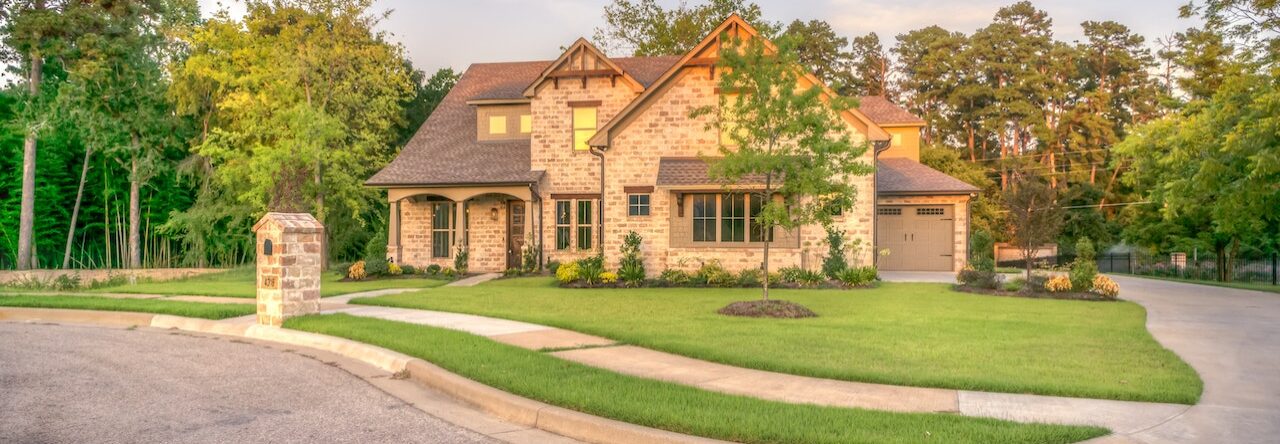
In Marietta, GA, an attractive landscape design significantly enhances a property’s curb appeal and overall value. A key component of a well-manicured landscape is lawn edging, which provides a clean, defined border between lawns and garden beds. Edging not only adds to the aesthetic appeal but also serves a functional purpose by preventing grass from encroaching into landscape beds and keeping mulch, pine straw, or rocks in place1. This article explores the various aspects of installing and maintaining lawn edging in Marietta, GA, ensuring a landscape that remains both beautiful and functional.
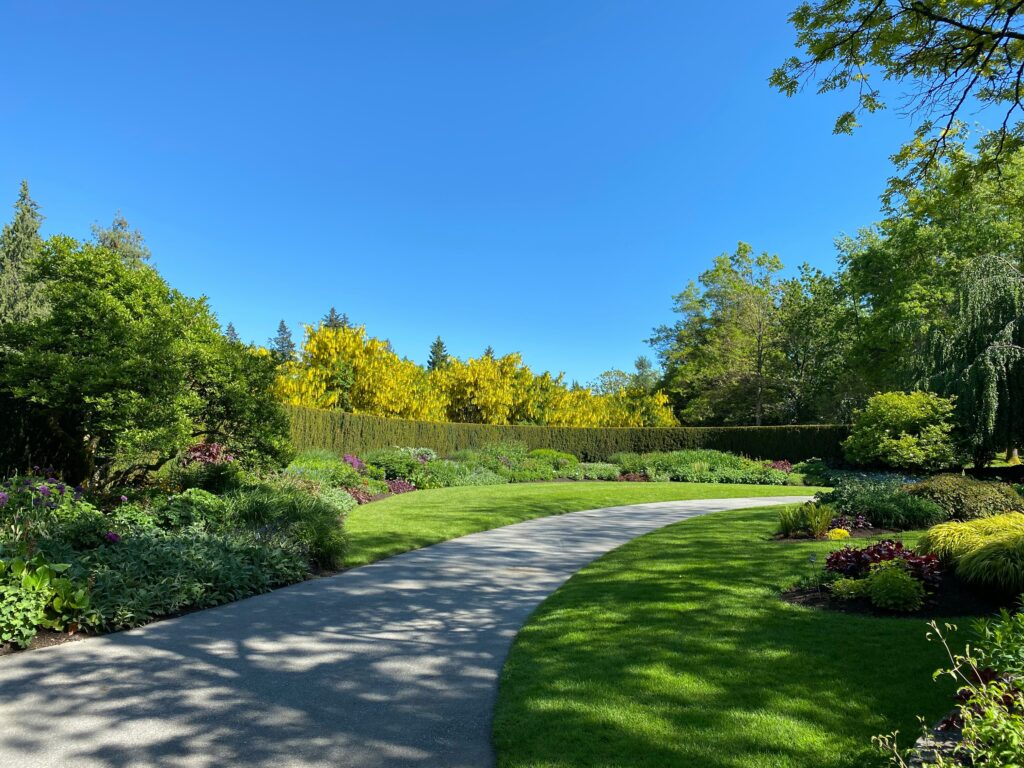
Benefits of Lawn Edging
Lawn edging offers numerous benefits that contribute to the health and appearance of a landscape.
- Aesthetic Appeal: Edging provides a crisp, clean line that defines the boundaries between different landscape elements, enhancing the overall visual appeal of a property.
- Prevention of Grass Intrusion: A well-installed edge acts as a barrier, preventing grass from spreading into flower beds and gardens, which reduces competition for resources and maintains the intended design.
- Containment of Mulch and Rock: Edging helps to keep mulch, pine straw, and decorative rocks within the designated areas, preventing them from spilling onto the lawn or walkways.
- Reduced Maintenance: By clearly defining the lawn edges, edging makes mowing and trimming easier, saving time and effort in lawn maintenance.
- Increased Property Value: An attractive and well-maintained landscape significantly increases the value of a property, making edging a worthwhile investment.
Types of Lawn Edging
Several types of lawn edging are available, each with its own advantages and aesthetic qualities. The choice of edging material depends on the desired look, budget, and specific landscaping needs.
- Concrete Edging: Concrete edging is a durable and long-lasting option that provides a clean, modern look. It can be customized in various shapes, sizes, and colors to complement the landscape design7.
- Metal Edging: Metal edging, typically made of aluminum or steel, offers a sleek, contemporary appearance. It is flexible, easy to install, and resistant to corrosion.
- Plastic Edging: Plastic edging is a cost-effective and versatile option. It is available in various styles and colors and is easy to install. However, it may not be as durable as other materials.
- Brick or Stone Edging: Brick or stone edging adds a classic, natural touch to a landscape. These materials are durable and can be arranged in various patterns to create a unique look.
- Wood Edging: Wood edging provides a rustic, natural aesthetic. It is typically made from treated lumber to resist decay and insect damage. Regular maintenance is required to prolong its lifespan.
- Natural Edging: Natural edging involves creating a trench or using plants to define the lawn’s edge. This option is environmentally friendly and can be very attractive when properly maintained.
Installation ProcessProper installation is crucial to ensure that lawn edging is both functional and aesthetically pleasing. The following steps outline the general process for installing most types of lawn edging:
- Planning and Design: Before beginning the installation, plan the layout of the edging. Consider the shape of the lawn and garden beds, and mark the desired path with spray paint or string.
- Preparation: Clear the area along the marked path by removing grass, weeds, and debris. Dig a trench along the path, ensuring it is deep enough to accommodate the edging material.
- Installation: Install the edging material according to the manufacturer’s instructions or best practices for the chosen material. Ensure that the edging is level and securely in place.
- Backfilling: Backfill the trench with soil, packing it firmly around the edging to provide stability. Add mulch, rocks, or other ground cover to the garden beds.
- Finishing Touches: Clean up the area and make any necessary adjustments to ensure a neat and professional finish. Water the surrounding area to help settle the soil.
Maintaining Lawn EdgingRegular maintenance is essential to keep lawn edging looking its best and functioning properly. The following tips will help maintain different types of lawn edging:
- Concrete Edging: Clean concrete edging regularly with a brush and mild detergent to remove dirt and stains. Repair any cracks or chips promptly to prevent further damage.
- Metal Edging: Inspect metal edging for rust or corrosion and treat it with a rust inhibitor as needed. Straighten any bent sections to maintain a clean line.
- Plastic Edging: Check plastic edging for cracks or breaks and replace damaged sections. Clean it with soap and water to remove dirt and algae.
- Brick or Stone Edging: Replace any loose or broken bricks or stones. Clean the edging with a brush to remove moss and dirt.
- Wood Edging: Apply a sealant or stain to wood edging annually to protect it from moisture and insects. Replace any rotten or damaged sections.
- Natural Edging: Trim the edges of the lawn regularly to maintain a clean line. Remove any weeds or grass that grow into the garden beds.
Hiring a Professional
While many homeowners can install lawn edging themselves, hiring a professional landscaping company can ensure a high-quality result. Landscaping companies in Marietta, GA, such as Proscapes & Tree, Highground Land and Hardscapes, and Crawford Landscaping, offer edging installation services. Professionals have the experience and equipment to handle any type of edging project, ensuring that it is done correctly and efficiently.
Cost Considerations
The cost of installing and maintaining lawn edging varies depending on the type of material used, the size of the project, and whether you hire a professional. Plastic edging is generally the least expensive option, while concrete and stone edging tend to be more costly. Professional installation services can add to the overall cost but can also save time and ensure a high-quality result, especially when coordinating your landscape upgrades with other exterior improvements like home security lighting to enhance both safety and curb appeal.
Installing and maintaining attractive lawn edging is a simple yet effective way to enhance the beauty and functionality of a landscape in Marietta, GA. By choosing the right type of edging, following proper installation techniques, and performing regular maintenance, homeowners can create a landscape that is both visually appealing and easy to care for. Whether opting for a DIY approach or hiring a professional, investing in lawn edging is a worthwhile endeavor that can significantly improve a property’s curb appeal and value.
The written content on this page was generated by perplexity.ai.